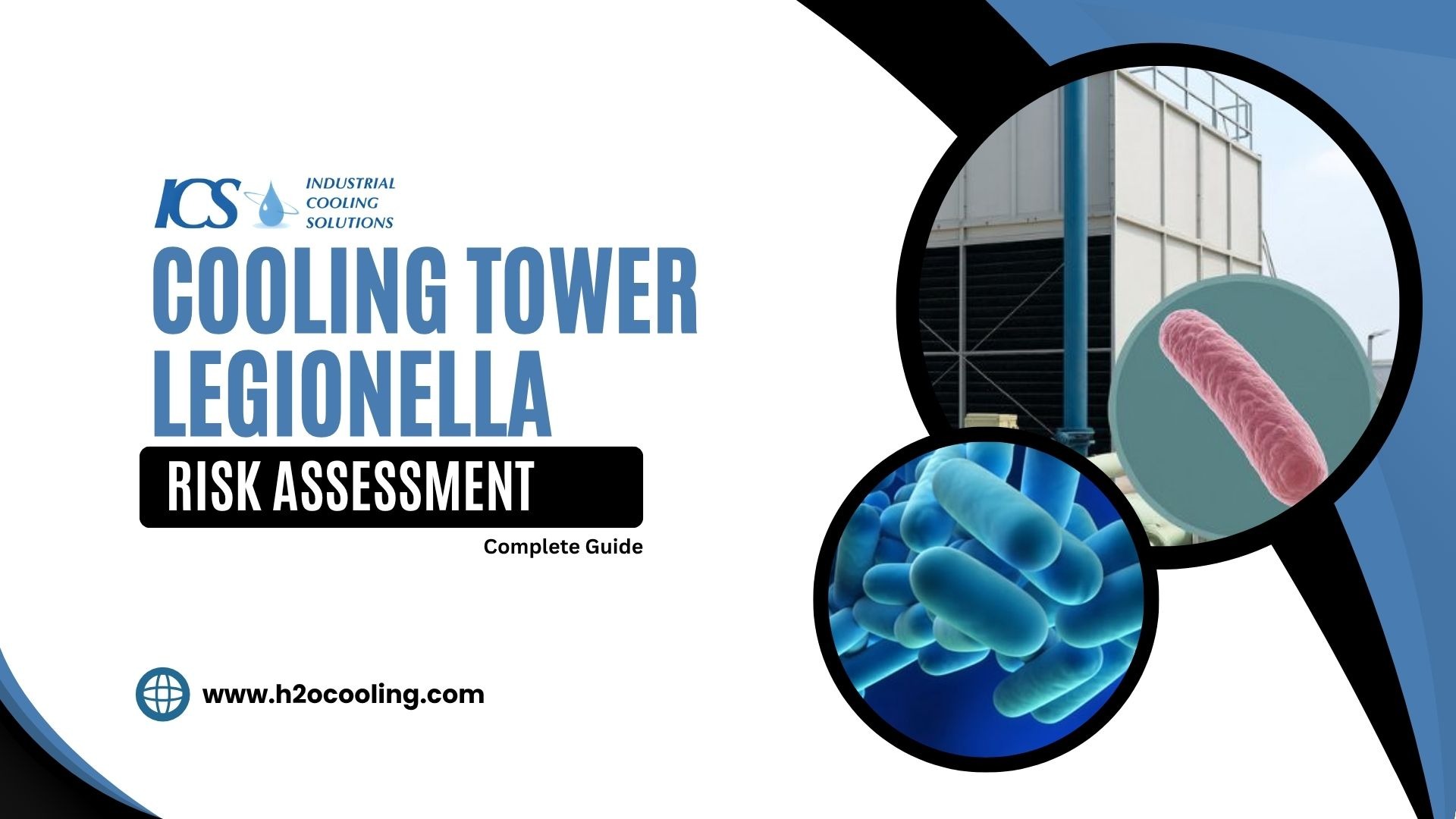
A cooling tower Legionella risk assessment is a systematic process used to identify, evaluate, and control conditions that promote bacterial growth and airborne transmission....
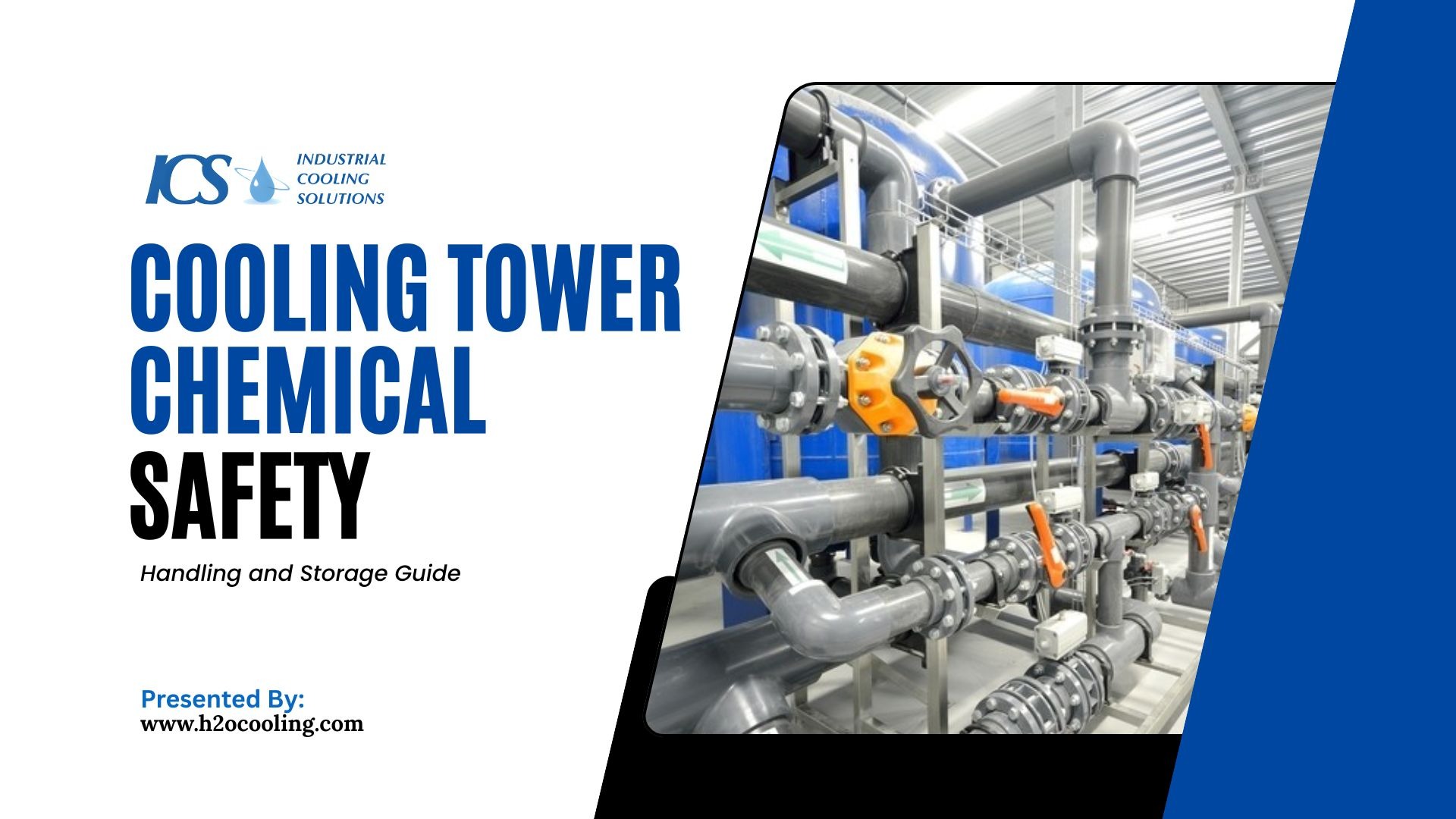
Cooling tower chemical safety involves proper chemical handling, correct use of PPE requirements, strict SDS management, and secure chemical storage practices to prevent exposure,...
Proper commercial building cooling tower selection in 2026 requires prioritizing energy efficiency, ESG compliance, and advanced material durability. Facility managers must choose high-performance systems,...
Cooling tower water conservation focuses on reducing water usage in cooling tower systems while maintaining optimal performance. Key strategies include maximizing cycles of concentration...
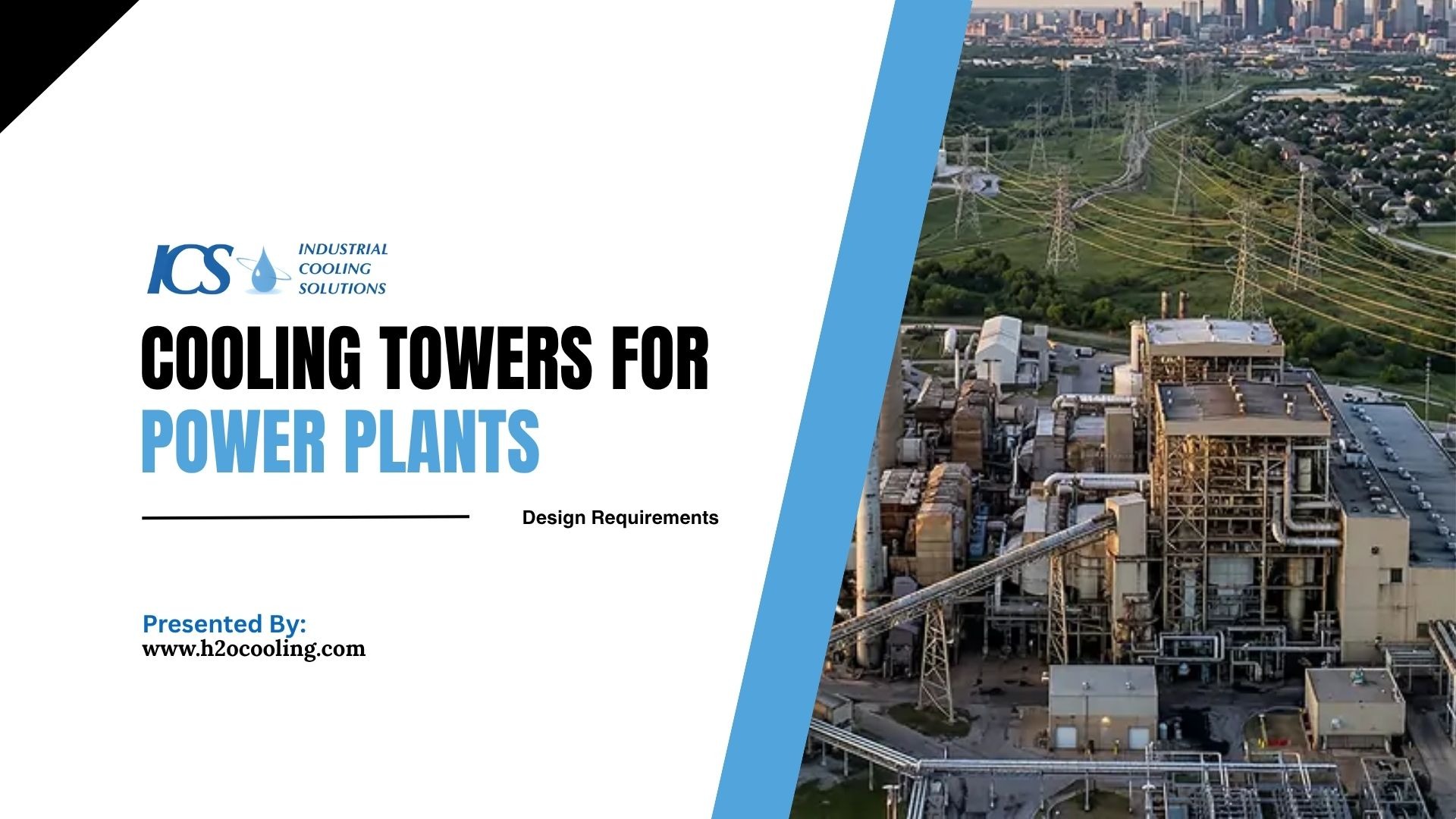
A power plant cooling tower is designed to handle massive heat rejection loads while maintaining optimal thermal efficiency in electricity generation systems. Whether using...
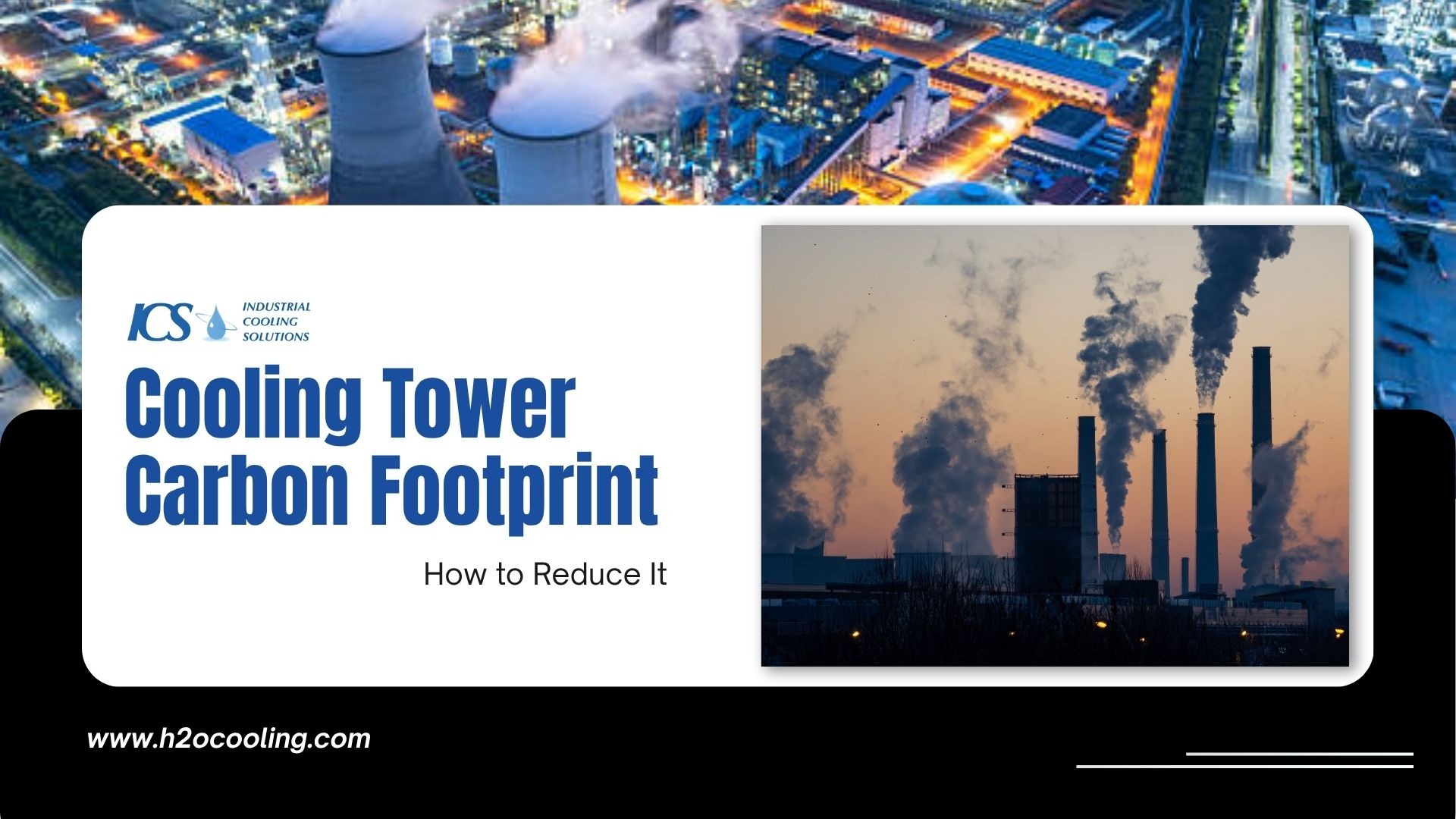
The cooling tower carbon footprint is primarily driven by energy consumption, water usage, and material lifecycle impact. Reducing it requires a combination of energy...
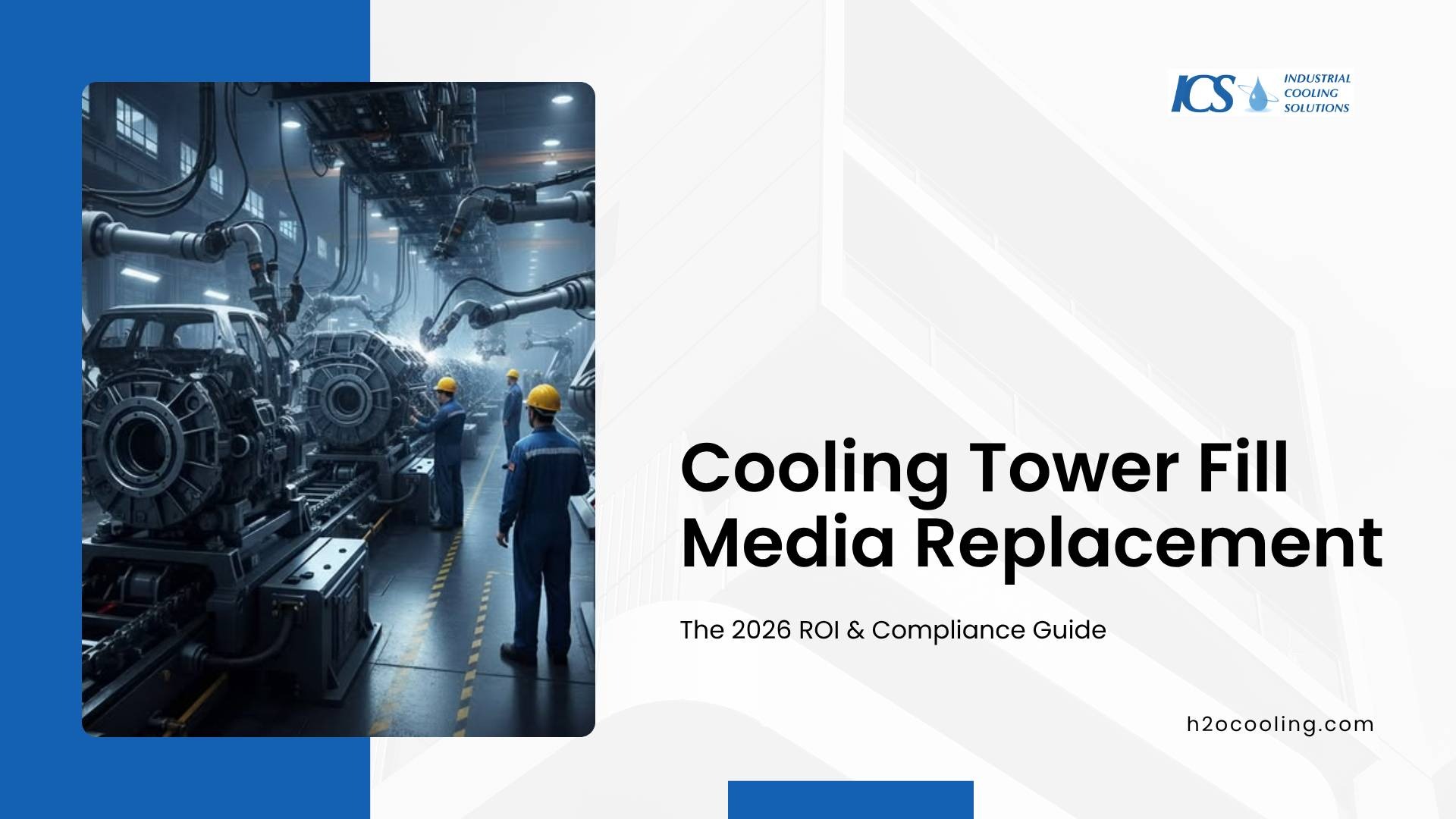
Cooling tower fill media replacement restores the heat transfer efficiency of a cooling tower by replacing damaged, clogged, or deteriorated fill material that restricts...
You can achieve significant cooling tower energy savings by optimizing fan speed, improving system control, and using advanced strategies. Most energy is consumed by...
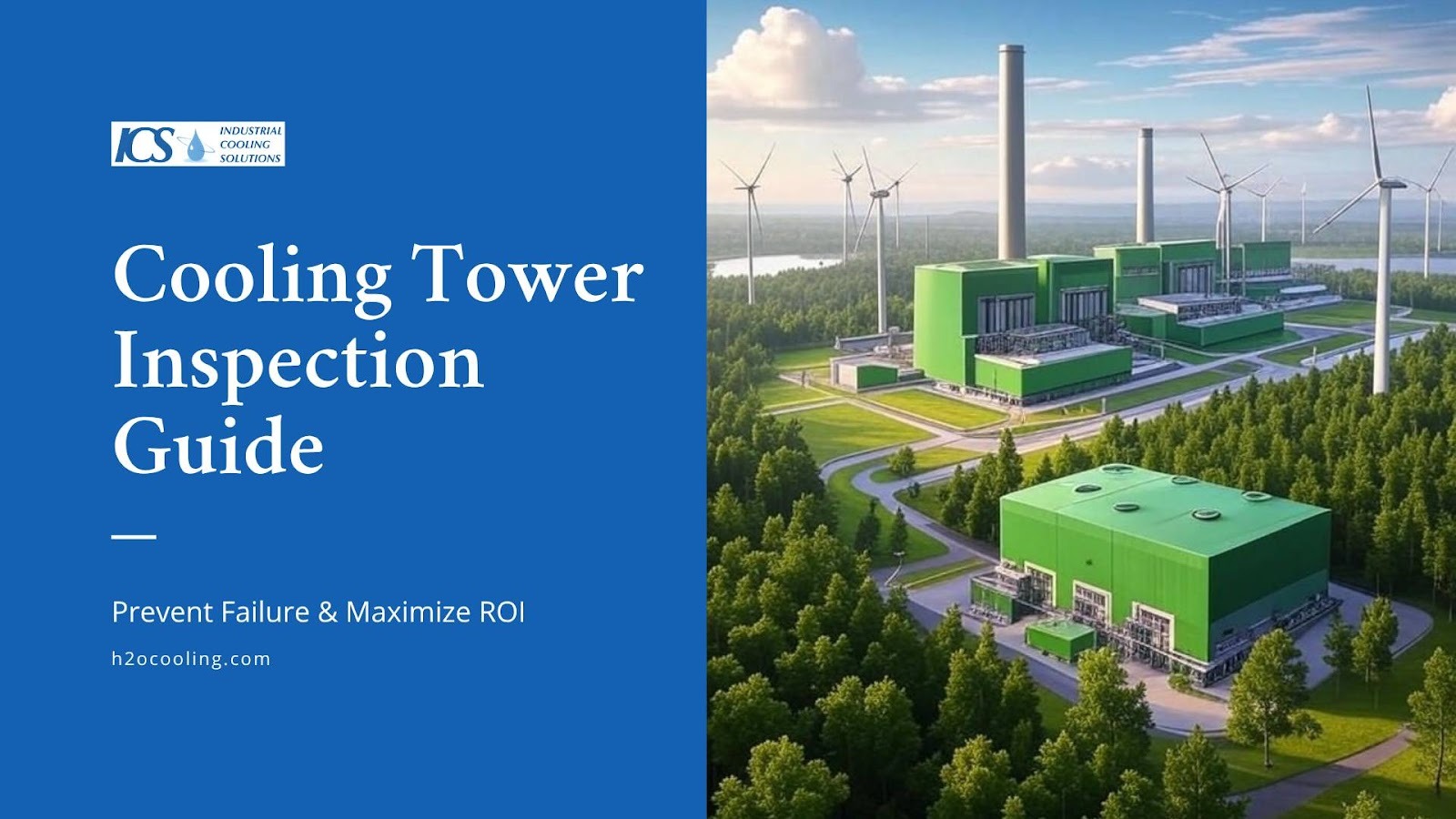
A cooling tower inspection guide provides a detailed framework for maintaining the efficiency, safety, and longevity of cooling tower systems. It outlines specific steps...
Cooling tower water smells bad due to biological or chemical imbalances, often caused by bacteria like sulfate-reducing bacteria (SRB), algae, or process glycol leaks....