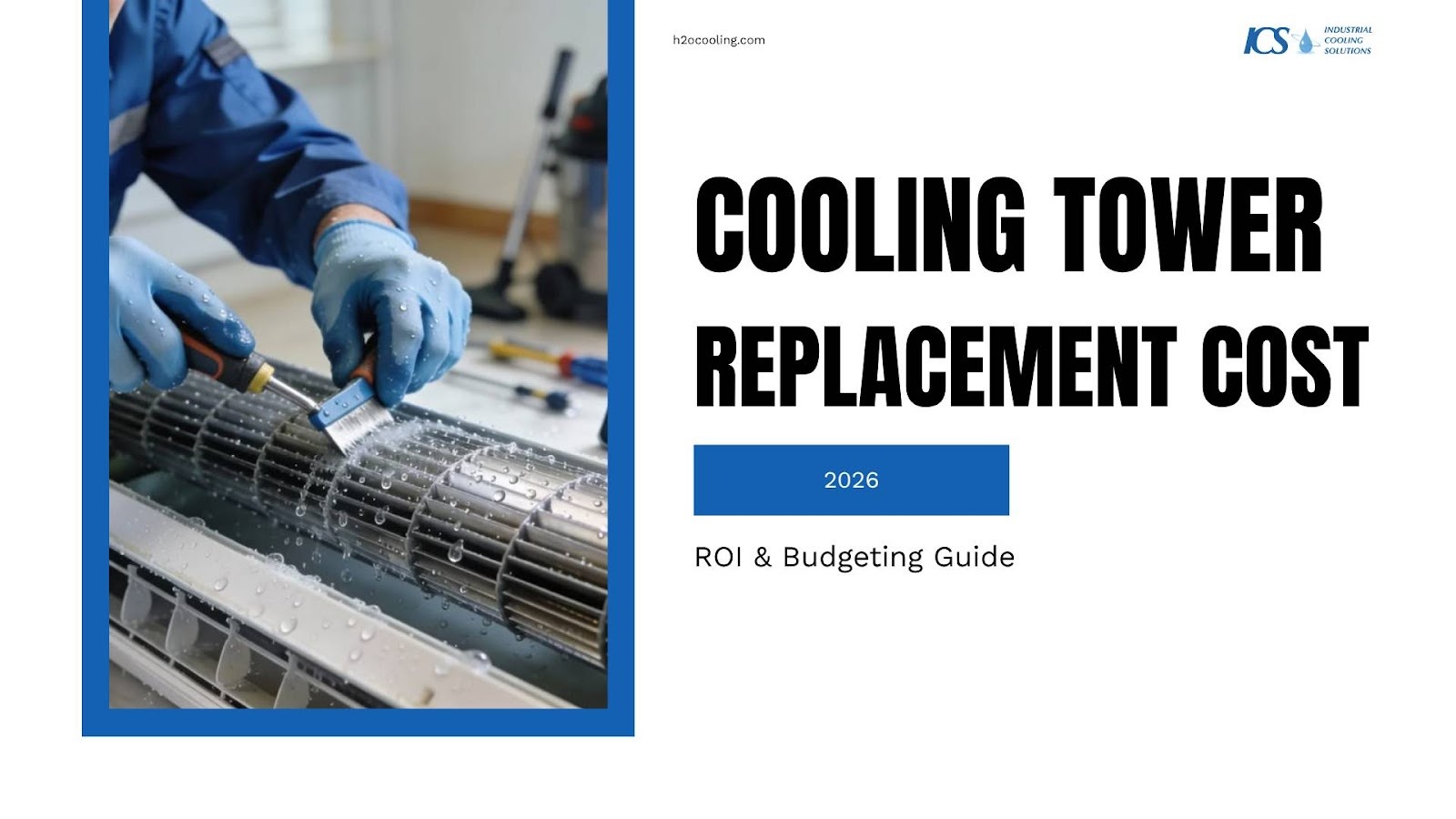
The cooling tower replacement cost in 2026 typically ranges from $65,000 to over $2.5 million, depending on the tower size, material, cooling capacity, installation...
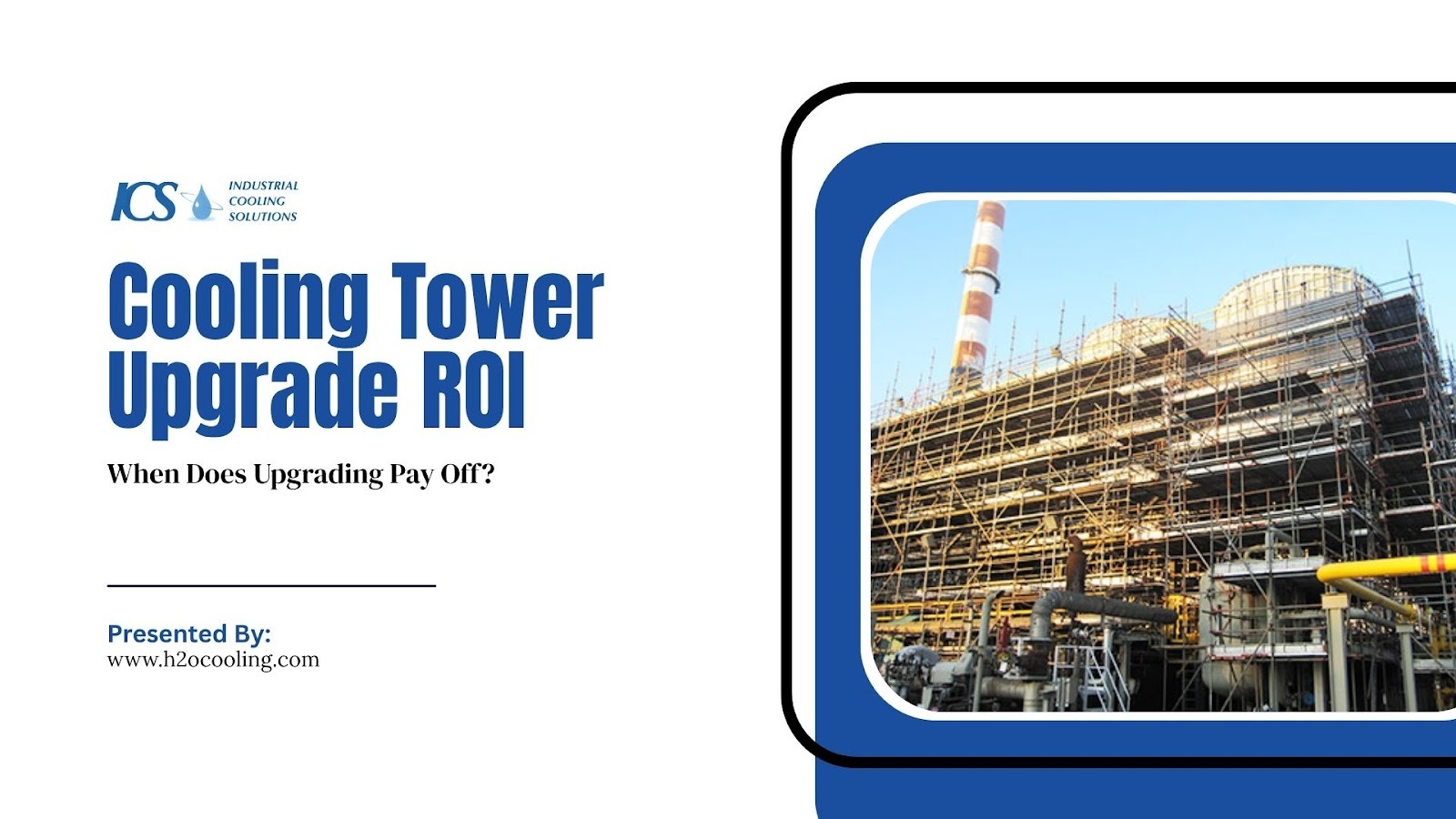
Understanding cooling tower upgrade ROI is essential for facility managers seeking a strong financial return. A well-planned upgrade directly increases efficiency improvement across your...
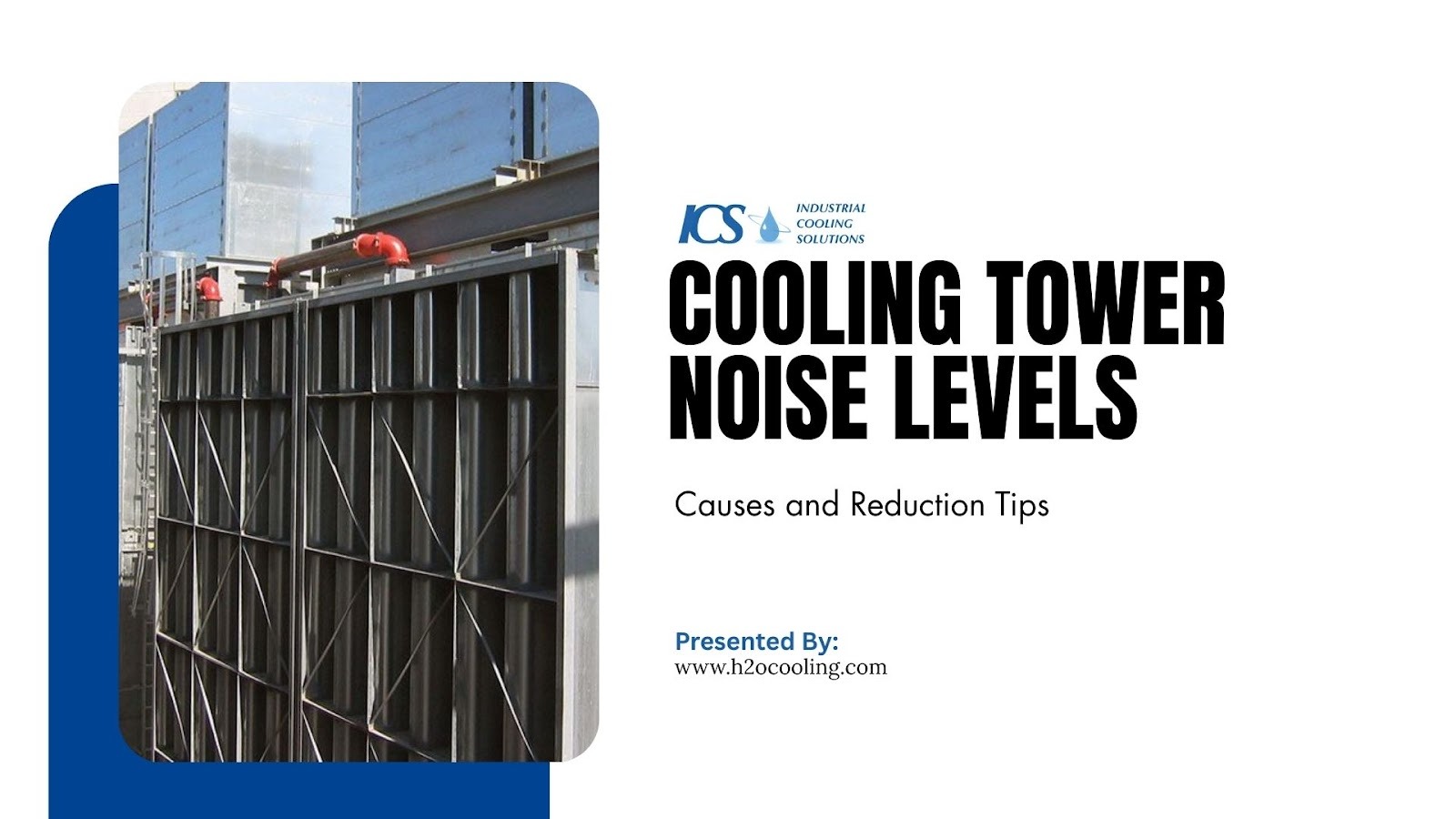
Cooling tower noise refers to the unwanted sound generated by industrial cooling systems, which generally operate at decibel levels between 70 and 100 dB....
Cooling tower operating costs are influenced by energy consumption, water usage, chemical treatment, and maintenance. Optimizing fan speed with Variable Frequency Drives (VFDs) can...
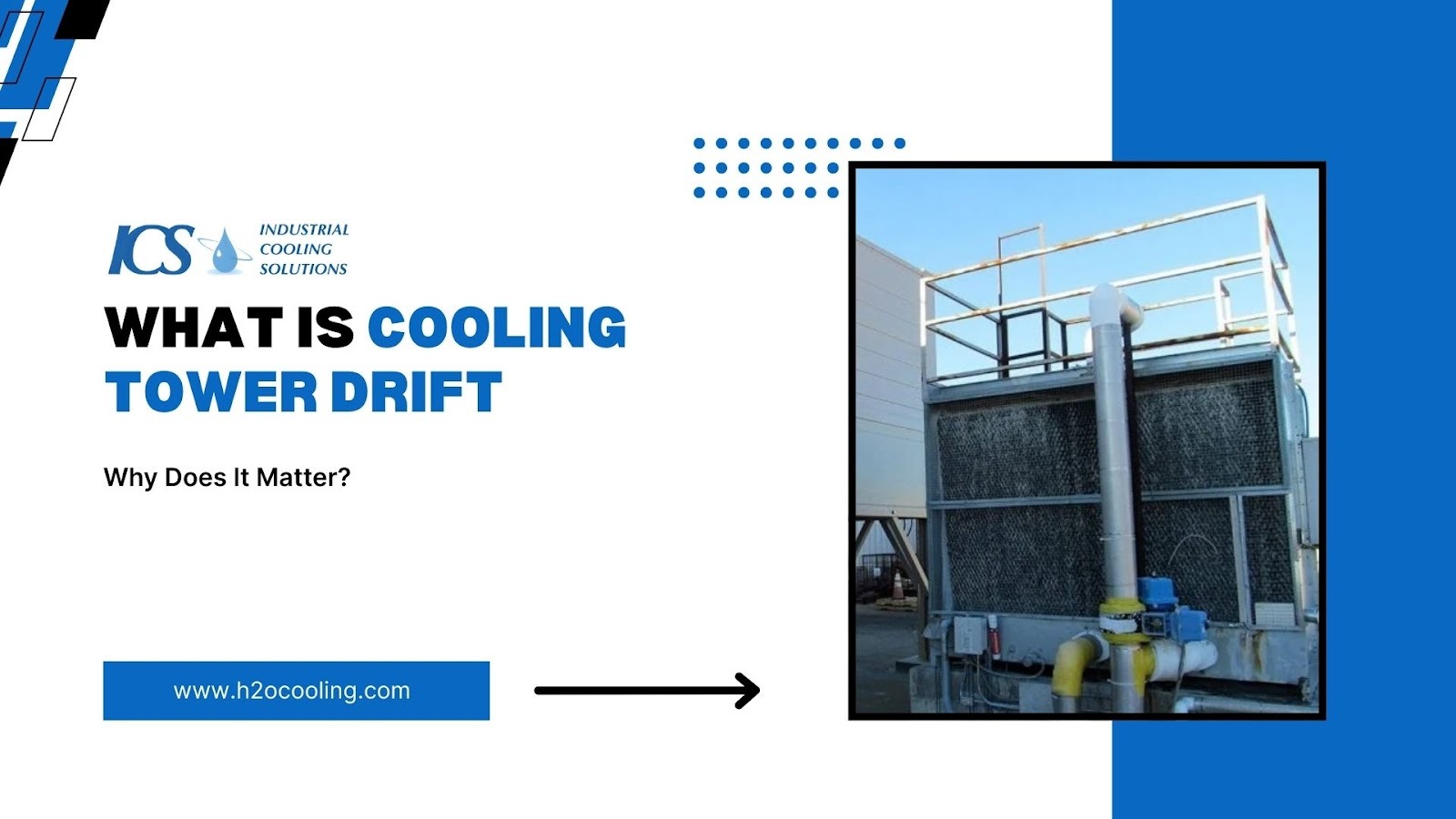
Cooling tower drift refers to the unintended escape of liquid water droplets carried out with the exhaust air. This phenomenon often involves chemicals and...
The cooling tower lifespan depends on its materials and maintenance. Pultruded FRP (fiberglass) offers the longest durability, lasting 35–50+ years, while stainless steel ranges...
A cooling tower performance curve is a critical tool for understanding a tower’s heat-rejection capability under varying conditions. It graphically represents how factors like...
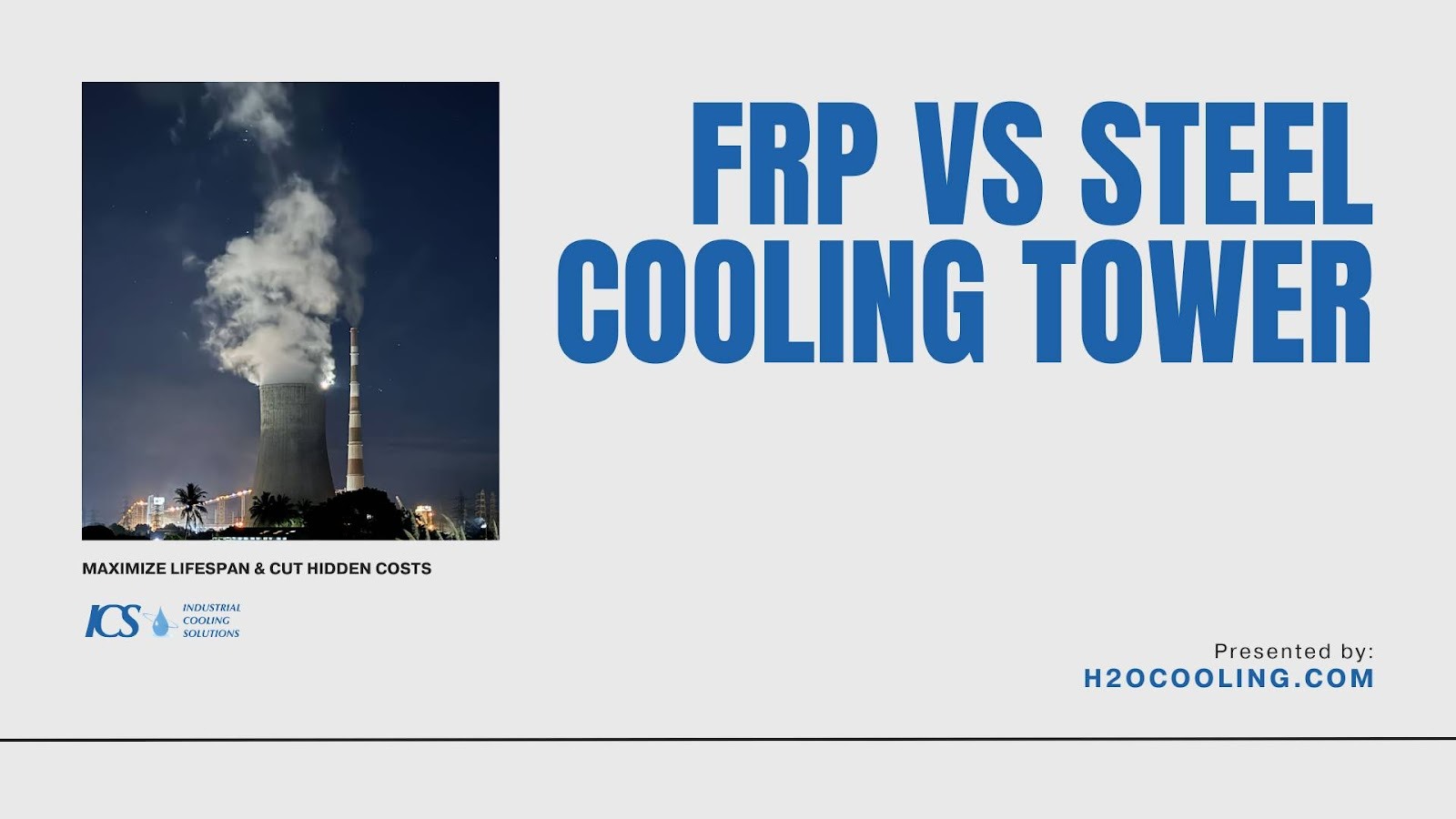
When comparing FRP vs steel cooling towers, fiberglass reinforced plastic delivers superior long-term value by offering total immunity to severe corrosion, rust, and chemical...
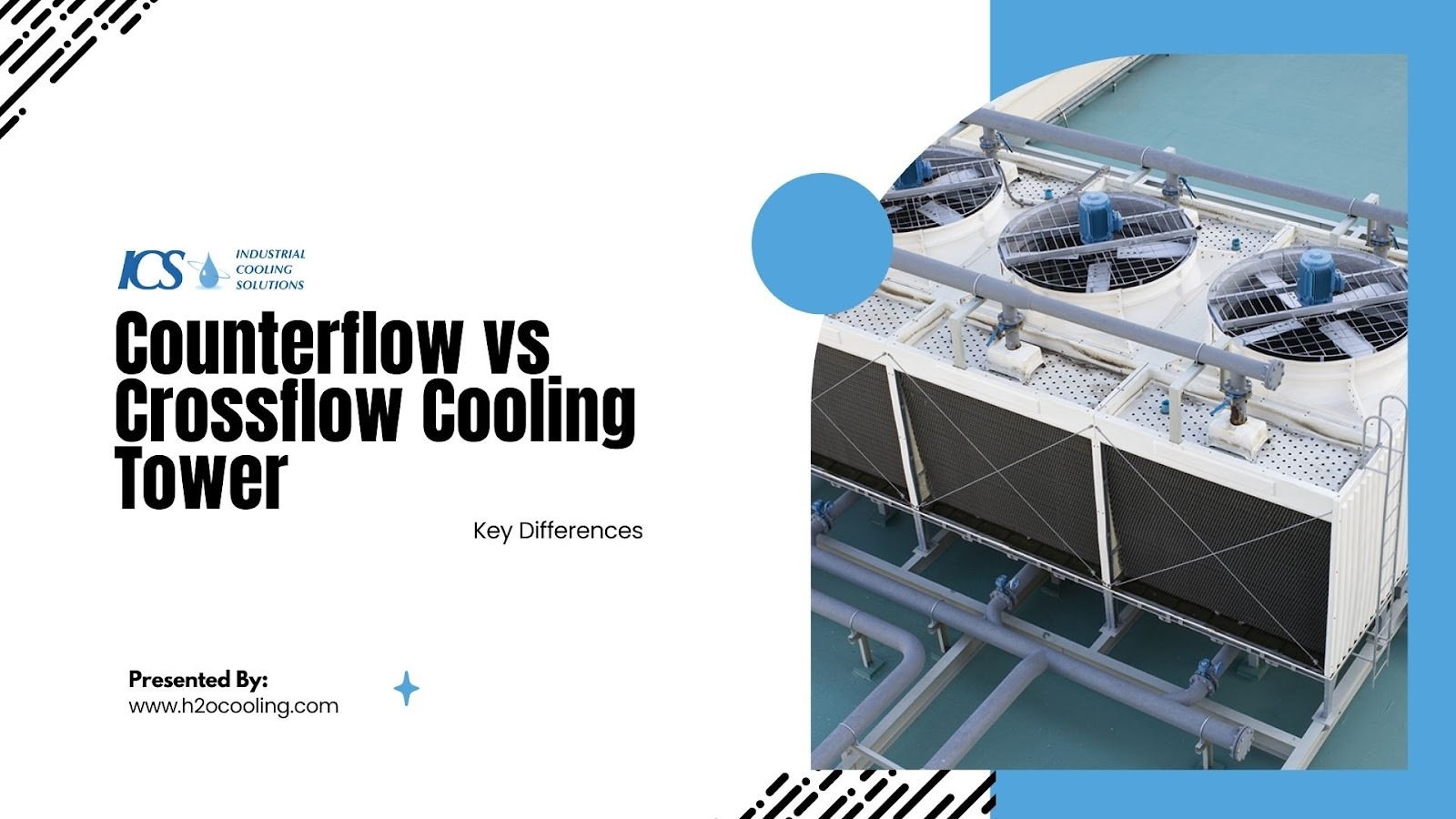
A counterflow cooling tower forces air vertically upward while water falls downward, maximizing thermal efficiency through longer airflow direction contact. A crossflow cooling tower...