

Cooling tower water smells bad due to biological or chemical imbalances, often caused by bacteria like sulfate-reducing bacteria (SRB), algae, or process glycol leaks. These issues lead to hydrogen sulfide production, biofilm buildup, and corrosion, which compromise water quality and system efficiency.
Addressing the root cause with precise water treatment methods, such as bio-dispersants, UV sterilization, and side-stream filtration, eliminates odors and prevents further damage. Regular maintenance and real-time monitoring ensure optimal cooling tower performance and a scent-free system. Proper cooling tower water treatment safeguards equipment lifespan and reduces health risks.
The 3 Primary Smell Profiles and Their Hidden Risks
Facility managers must move beyond noticing a bad smell to understanding the precise chemistry causing it. Different odors reveal different dangerous contaminants in your water.
Profile A: The Rotten Egg (Hydrogen Sulfide)
Sulfate-Reducing Bacteria (SRB) living in anaerobic zones cause this distinct odor. These bacteria produce hydrogen sulfide gas and sulfuric acid. This acidic water can eat through a galvanized basin in just a few months through pitting corrosion. You will usually find these microbes hiding under sludge in the basin or within dead legs that lack proper flow and circulation.
Profile B: The Earthy or Musty Scent
Algae, molds, and biofilm create this heavy, earthy smell. This biomass acts as a nursery for harmful microorganisms, including Legionella pneumophila. Biofilm insulates heat exchangers 25 times more than standard scale.
This significantly decreases efficiency and increases energy consumption. Modern high-efficiency filters remain highly prone to clogging from this organic load.
Profile C: The Sweet or Chemical Aroma
A sweet smell often points to process glycol leaks or the over-dosing of oxidizing biocides. Glycol acts as fuel for bacteria. A small leak can cause a total biological crash in your system within 48 hours. This requires immediate cooling tower water treatment to prevent complete system failure.
2. 2026 Odor Troubleshooting Matrix: Symptom vs. Solution
| Odor Profile | Probable Root Cause | 2026 ICS Professional Action |
| Rotten Egg | SRB / Anaerobic Sludge | Offline Mechanical Scrub + Bio-Dispersant |
| Fishy / Musty | Algae / Bio-fouling | UV-C Sterilization + Non-Oxidizing Biocide |
| Sweet / Syrupy | Process Glycol Leak | Dye Test + Plate Heat Exchanger Audit |
| Heavy Bleach | Oxidizer Over-feed | Sensor Calibration (Chlorine/ORP Levels) |
| Sharp/Metallic | Rapid Corrosion | Corrosion Coupon Analysis + Inhibitor Tuning |
Use this guide to identify the immediate corrective action required for your system:
- Rotten Egg: Probable cause is SRB and anaerobic sludge. The solution requires an offline mechanical scrub and a bio-dispersant application.
- Fishy or Musty: Probable cause is algae and bio-fouling. The solution requires UV-C sterilization and a non-oxidizing biocide.
- Sweet or Syrupy: Probable cause is a process glycol leak. The solution requires a dye test and a plate heat exchanger audit.
- Heavy Bleach: Probable cause is an oxidizer over-feed. The solution requires sensor calibration to monitor chlorine and ORP levels.
- Sharp or Metallic: Probable cause is rapid corrosion. The solution requires corrosion coupon analysis and corrosion inhibitor tuning.
The Legionella Connection: Is Your Tower a Liability?
Bad smells often correlate with high Heterotrophic Plate Counts (HPC). This represents the leading indicator of Legionella risk. Dangerous pathogens thrive when water quality drops.
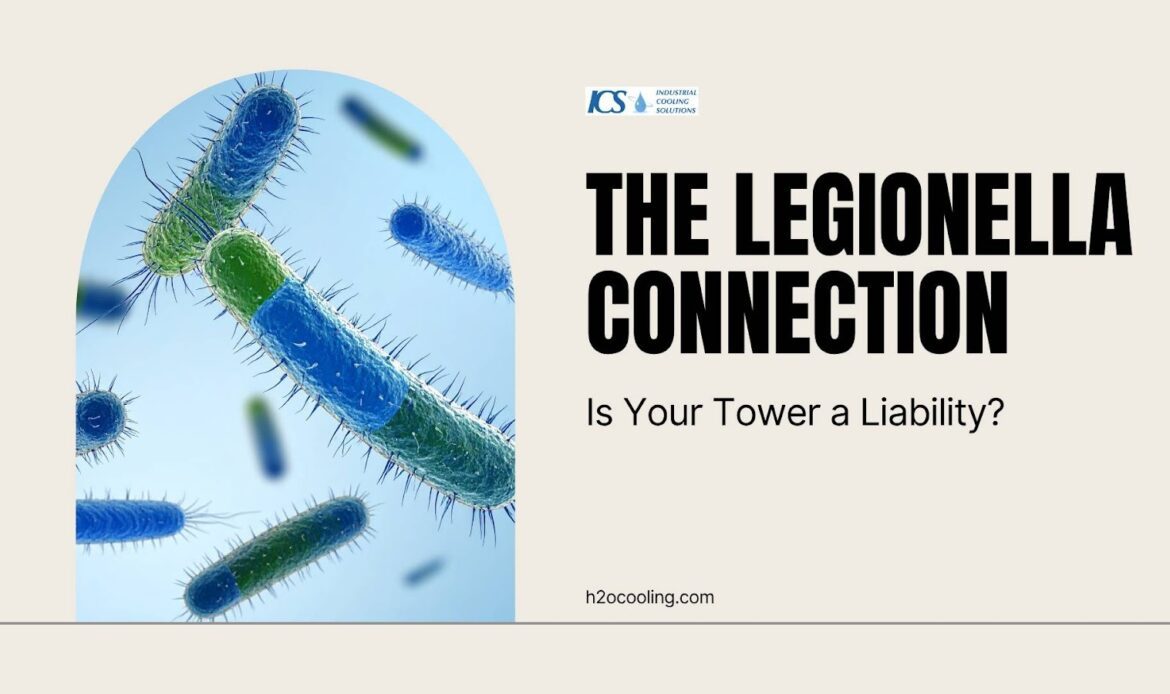
Your tower mist can carry odors and microbes up to two miles from the site into the atmosphere. This aerosolization poses a severe health risk to the public. To maintain safety, Industrial Cooling Solutions (ICS) recommends quarterly CDC ELITE lab testing. This validates the effectiveness of your water treatment program and ensures low levels of harmful bacteria.
Treatment 4.0: How ICS Eradicates Odors and Biofilm
You cannot simply use bleach to eliminate a smell. Effective treatment requires precision and advanced technology.
Moving from manual slug dosing to automated control maintains a constant kill zone for bacteria. This precise application prevents contaminants from multiplying.
Side-stream filtration removes the suspended solids that bacteria consume. Using centrifugal separators or sand filters extracts this food source from the water.
You must also use bio-dispersants. Dispersants break apart the protective slime layer so the biocide can reach the bacteria underneath. This ensures a comprehensive clean that protects your equipment's lifespan.
Preventive Maintenance: Ensuring a Scent-Free Asset
Preventing bad odors requires a proactive maintenance schedule. Conduct a mechanical audit to secure your system.
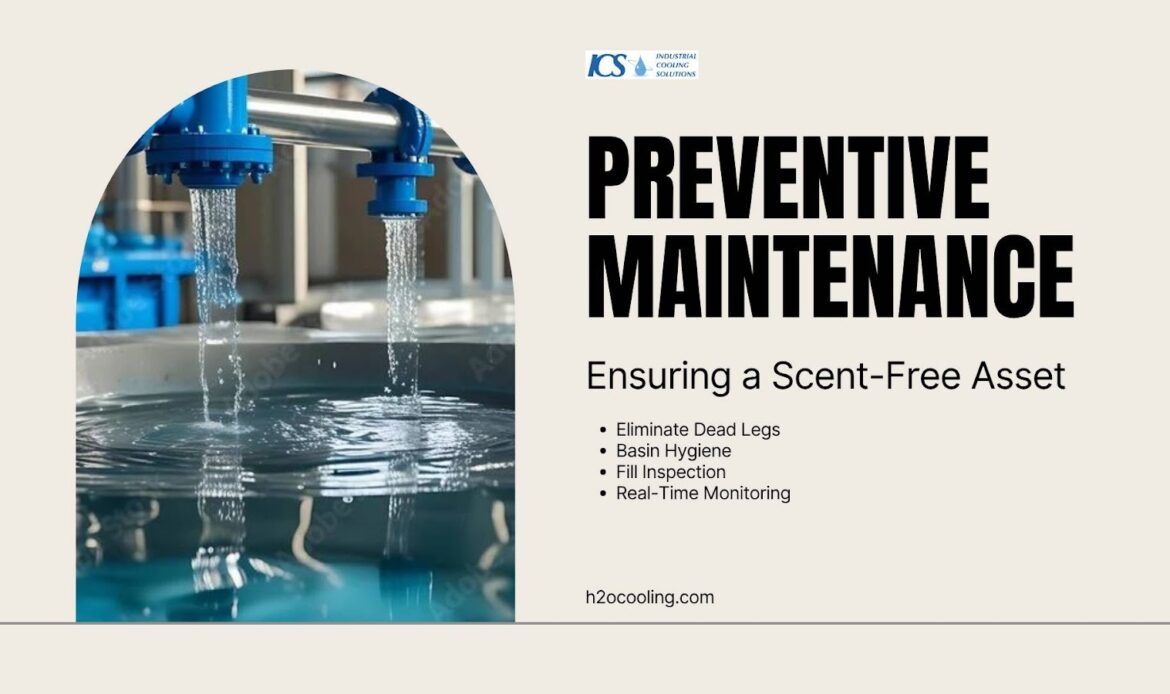
- Eliminate Dead Legs: Cap off unused piping where stagnant water sits and rots.
- Basin Hygiene: Install sweeper piping to prevent sludge buildup in the basin.
- Fill Inspection: Check for channeling where water bypasses the air. This creates stagnant zones that breed bacteria.
- Real-Time Monitoring: Invest in IoT sensors. These devices alert you to pH drops or temperature shifts before a smell develops.
Conclusion: From Emergency Smell to Engineered Safety
A cooling tower water smell represents a direct distress signal. Ignoring unpleasant odors leads to severe liability and equipment destruction. Proper water treatment protocols save costs and protect public health.
Industrial Cooling Solutions does not mask odors. We engineer them out of existence through hydraulic and chemical precision. Do you hear the warning signs of a failing system? Does your tower have a persistent bad smell? Contact Industrial Cooling Solutions for a comprehensive Water Quality and Legionella Risk Audit today.
Frequently Asked Questions
Why does my cooling tower water smell bad?
A bad smell in cooling tower water often indicates biological or chemical imbalances. Common causes include bacteria like sulfate-reducing bacteria (SRB), algae, or process glycol leaks. These issues can lead to corrosion, biofilm buildup, and reduced efficiency. Addressing the root cause with proper water treatment and maintenance ensures better water quality and system performance.
What are the risks of ignoring cooling tower odors?
Ignoring odors can lead to severe consequences, including Microbiologically Influenced Corrosion (MIC), Legionella outbreaks, and equipment failure. Odors often signal harmful bacteria, low pH, or chemical reactions that compromise water quality. Regular maintenance, real-time monitoring, and effective water treatment prevent these risks and extend the lifespan of your cooling tower.
How can I improve cooling tower water treatment?
To improve water treatment, focus on precision biocide application, side-stream filtration, and bio-dispersants. These methods eliminate bacteria, remove suspended solids, and break biofilm layers. Regular audits, IoT sensors, and corrosion inhibitors also help maintain water quality, reduce energy consumption, and prevent unpleasant odors.
What causes hydrogen sulfide in cooling towers?
Hydrogen sulfide forms when sulfate-reducing bacteria thrive in anaerobic zones, such as sludge or stagnant water areas. This gas produces a rotten egg smell and accelerates corrosion. Proper basin hygiene, eliminating dead legs, and using bio-dispersants can prevent hydrogen sulfide buildup and protect your system.
How does biofilm affect cooling tower efficiency?
Biofilm acts as an insulating layer, reducing heat transfer efficiency by up to 25 times more than scale. It also harbors harmful microorganisms like Legionella. Effective water treatment, including UV sterilization and non-oxidizing biocides, prevents biofilm formation and ensures optimal cooling tower performance.