

Cooling tower chemical safety involves proper chemical handling, correct use of PPE requirements, strict SDS management, and secure chemical storage practices to prevent exposure, reactions, and environmental hazards.
Cooling tower chemicals such as acids, biocides, and corrosion inhibitors are highly reactive. They become dangerous if mishandled. A structured safety approach ensures worker safety, regulatory compliance, and reliable cooling system operation. This approach includes safe dosing, segregation of incompatible chemicals, and emergency preparedness.
Why Chemical Safety in Cooling Towers Is a Critical Operational Priority
Cooling towers rely heavily on chemical treatment to prevent biological growth, scale buildup, and system degradation. These chemicals are inherently hazardous. Facility operators handle corrosive substances like acids and alkalis daily, making cooling tower chemical safety paramount.
Improper chemical management can lead to severe consequences, including:
- Worker injuries: Exposure to hazardous chemicals can cause serious harm to employees.
- System damage: Incorrect chemical use can corrode equipment, leading to costly repairs and system failure.
- Environmental incidents: Spills or improper disposal can result in significant environmental damage.
Ignoring safety protocols can also result in legal penalties and force operational shutdowns.
Types of Cooling Tower Chemicals and Their Risk Profiles
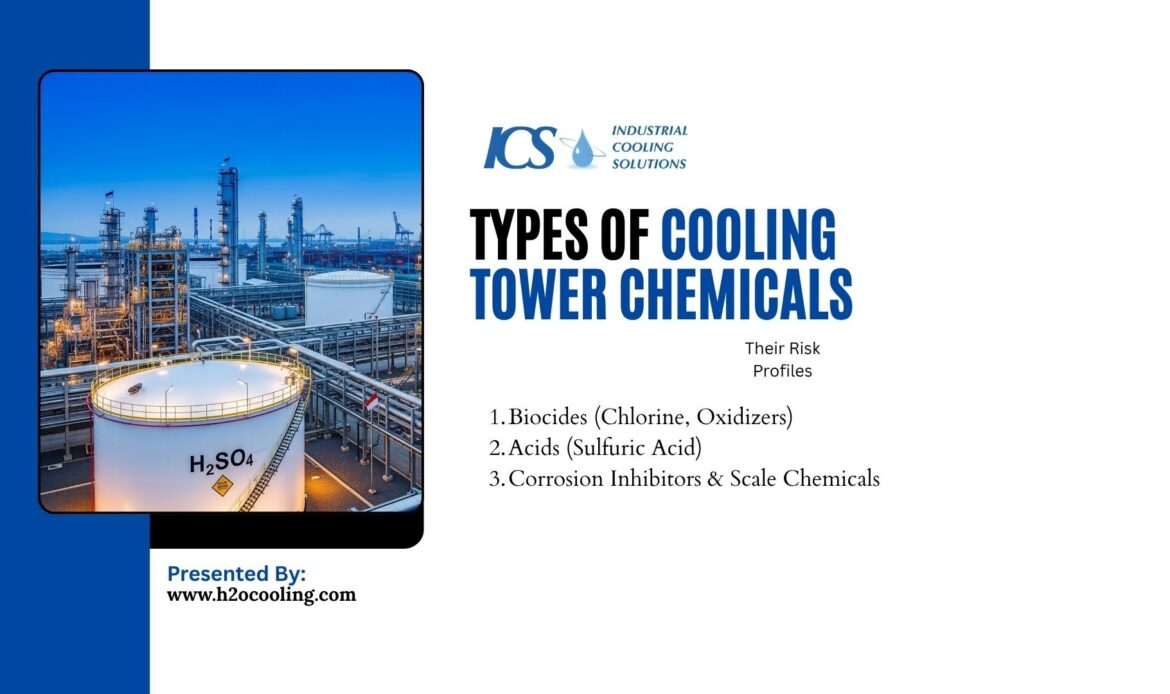
Each chemical serves a specific purpose within the cooling system. They also carry specific hazard profiles. Understanding the risks of each substance is a fundamental aspect of cooling tower chemical safety, and facility operators must be aware of the hazards associated with every chemical they use.
Biocides (Chlorine, Oxidizers)
Biocides kill microorganisms and control biofilm growth within the cooling water. They are highly effective but pose significant health risks to operators. Understanding biocide safety is critical for any facility. You must respect the power of these chemical agents. Improper use leads to dangerous outcomes.
- Toxic exposure: Direct contact causes severe skin and respiratory damage.
- Gas release: Incorrect mixing creates lethal gas clouds.
- Environmental damage: Uncontrolled runoff devastates local aquatic ecosystems.
Acids (Sulfuric Acid)
Operators use acids to control the pH levels of the cooling water. Sulfuric acid is the most common choice in industrial settings. These chemicals are highly corrosive and demand extreme caution.
Mishandling acids results in immediate and permanent consequences. You must recognize the specific threats they pose.
- Severe burns: Acid destroys human tissue upon contact.
- Exothermic reactions: Adding water to acid causes explosive boiling.
- Equipment corrosion: Spills eat through metal components and concrete floors.
Corrosion Inhibitors & Scale Chemicals
These chemicals protect system components from mineral buildup and metal degradation. Cooling tower chemical safety relies on these agents to maintain equipment longevity. They prevent scale and biological growth effectively.
Consider the following risks associated with these inhibitors.
- Chemical irritation: Prolonged exposure causes dermatitis and skin irritation.
- Eye damage: Splashes cause severe ocular trauma.
- Toxicity: Ingestion or inhalation causes internal distress.
The Real Hazards: What Can Go Wrong (And Why)
Most accidents occur due to improper handling rather than the chemical itself. Human error transforms safe facilities into hazard zones. Understanding potential failures is the first step toward ensuring cooling tower chemical safety and preventing them.
Toxic Gas Formation
Mixing chlorine with acid rapidly produces chlorine gas. This toxic gas formation is a life-threatening inhalation hazard. Operators must never mix incompatible substances.
Chemical Burns
Direct skin contact with industrial acids or strong alkalis causes immediate chemical burns. These injuries often require extensive medical treatment. Splashes also cause irreversible eye damage.
Inhalation Risks
Handling chemicals in enclosed areas generates dangerous vapors. These inhalation risks cause severe respiratory irritation. Facilities must ensure adequate ventilation during all chemical transfer processes.
Fire and Explosion Hazards
Improperly storing or mixing flammable chemicals can lead to fires or explosions. A single spark near volatile substances can trigger a catastrophic event. Strict adherence to storage compatibility charts and ignition source control is essential.
System and Equipment Failure
Corrosive chemicals can degrade pipes, tanks, and seals over time, leading to system failure. Unexpected leaks or ruptures can release hazardous materials suddenly. Regular equipment inspection and maintenance are critical to prevent these mechanical failures.
Environmental Contamination
Accidental spills entering floor drains cause massive environmental contamination. This water pollution triggers severe regulatory fines. Facilities must maintain strict containment protocols.
Safe Chemical Handling Procedures (Step-by-Step)
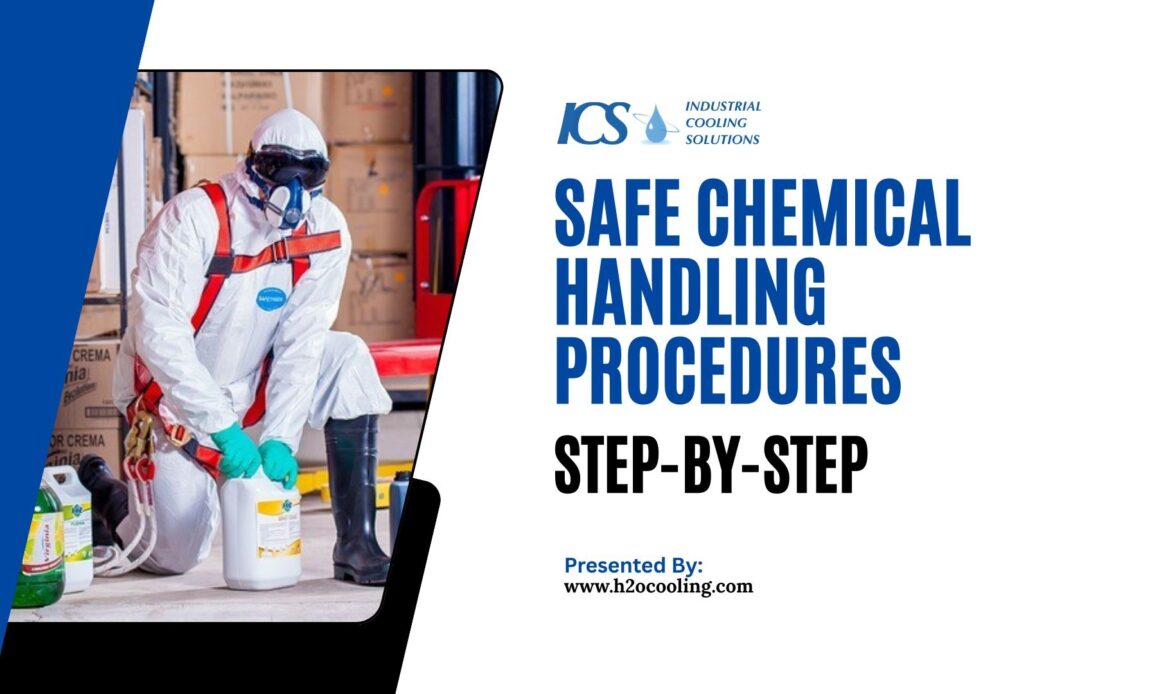
Handling procedures must follow strict industrial protocols. Safe chemical handling prevents accidents before they occur. Operators must execute every step with precision and focus.
Before Handling
Preparation prevents catastrophic failures. Operators must verify every detail before touching a chemical container. Missing a single step here invites disaster. Always perform these preliminary checks.
- Read the SDS: Understand the specific hazards and requirements.
- Inspect containers: Look for cracks, leaks, or signs of pressure buildup.
- Ensure proper labeling: Never use a chemical from an unmarked container.
During Handling
Focus and proper technique keep workers safe during active transfer. Operators must use designed equipment rather than manual methods. Rushing this process guarantees mistakes. Follow these operational rules.
- Avoid direct contact: Use mechanical systems to move fluids.
- Use proper tools: Rely on calibrated pumps and automated dosing systems.
- Verify mixtures: Never mix chemicals without documented verification.
After Handling
The job is not complete until the area is secure. Proper cleanup is essential for cooling tower chemical safety and protects the next worker. Leaving a messy workspace is a critical safety violation.
Execute these final steps carefully.
- Seal containers: Secure all lids and valves tightly.
- Clean equipment: Flush lines and wipe down dosing stations.
- Dispose of waste safely: Place contaminated materials in approved receptacles.
PPE Requirements
Personal protective equipment is non-negotiable in industrial environments. Proper PPE requirements form the physical barrier between a worker and a chemical hazard. Management must enforce strict compliance at all times.
Essential PPE for Chemical Handling
Standard protective gear prevents routine exposure injuries. Every operator must wear this equipment regardless of the task size. Skipping these items is never acceptable. Ensure you equip your team with these essentials.
- Chemical-resistant gloves: Choose the right material for the specific chemical being handled, such as nitrile or butyl rubber, to protect hands from corrosive liquids and prevent skin absorption.
- Safety goggles or face shield: Use ANSI Z87.1-compliant safety goggles to prevent serious eye damage from accidental splashes. For tasks with a high risk of splashing, a full face shield should be worn over the goggles for maximum protection.
- Protective clothing: Wear chemically-resistant aprons or full-body suits made from materials like Tyvek or PVC to shield the torso and limbs. Ensure clothing fits properly and has no gaps that could expose skin to hazardous materials.
Advanced PPE for High-Risk Chemicals
Certain tasks require specialized protection beyond the basics. High-risk chemicals demand advanced respiratory and bodily defense. Facilities must provide this gear for specific operational scenarios. Know when to escalate your protective measures.
Respirators:
Essential for any task involving volatile chemicals, respirators must be selected based on the specific hazards present. For instance, air-purifying respirators (APRs) with the correct cartridges can filter out specific toxic vapors and dangerous gases, while supplied-air respirators (SARs) are necessary for oxygen-deficient environments.
Full-body protection:
For major spill responses or handling highly corrosive substances, fully encapsulated, sealed hazmat suits are non-negotiable. These suits provide a complete barrier against chemical splashes, vapors, and skin contact, preventing severe injuries or contamination.
SDS Management: The Most Ignored but Critical Safety Tool
Every chemical comes with a Safety Data Sheet. Unfortunately, most teams do not use them properly. Strict SDS management bridges the gap between ignorance and total safety compliance.
What an SDS Includes
An SDS is a comprehensive manual for chemical survival. It details exactly what the substance is and how it behaves. Ignoring this document leaves operators blind to potential threats. You will find these critical data points inside.
- Hazards and risks: Outlines toxicity, flammability, and reactivity.
- Handling instructions: Specifies exact dosing and transfer methods.
- Emergency response: Provides medical and cleanup instructions for accidents.
How to Implement SDS in Operations
Having the documents is pointless if workers cannot access them. Management must integrate these sheets into daily workflows. The information must be visible and understood. Implement these strategies immediately.
- Make them easy to find: Keep physical copies of the safety sheets near where the chemicals are used.
- Provide regular training: Make sure your staff understands the information on the sheets.
- Keep them updated: When you get new chemicals, make sure you have the correct safety sheets for them.
Chemical Storage Best Practices for Cooling Towers
Improper storage is one of the biggest safety risks in any facility. Safe chemical storage prevents spontaneous reactions and material degradation. Part of ensuring cooling tower chemical safety involves facility managers properly engineering their storage areas.
Segregation of Incompatible Chemicals
Storing the wrong chemicals together creates a ticking time bomb. You must physically separate acids from oxidizers. This prevents catastrophic reactions during an accidental leak.
Storage Conditions
Chemicals degrade rapidly in poor environmental conditions. You must maintain cool, dry, and ventilated areas for all storage tanks. Avoiding direct sunlight exposure prevents thermal expansion and container failure.
Container and Material Compatibility
Industrial chemicals destroy standard plastics and metals. You must use High-Density Polyethylene or specialized corrosion-resistant materials for all tanks. Using the wrong container guarantees a future spill.
Compliance and Safety Standards You Must Follow
Regulatory compliance is essential for safe operation. Government agencies and industry bodies mandate specific safety protocols. Facilities must adhere to OSHA guidelines to protect their workers from harm. Furthermore, strict environmental regulations dictate how facilities must handle waste and prevent pollution.
Adhering to industry standards, such as those published by ASHRAE, ensures both legal safety and operational reliability.
Conclusion
Total cooling tower chemical safety requires constant vigilance and strict adherence to established protocols. Facility managers must audit their current practices to identify critical vulnerabilities. You must verify that your chemical storage areas meet regulatory compliance standards.
Protecting your workers requires a commitment to continuous education and proper equipment provisioning. Evaluate your SDS management strategies to ensure all documentation is current and accessible. Furthermore, review your biocide safety protocols to prevent dangerous toxic exposures.
Implement these safety frameworks to secure your facility, protect your personnel, and maintain flawless cooling system operations. For expert guidance on comprehensive cooling tower safety and water treatment solutions, visit H2Ocooling.com today.
Frequently Asked Questions
What are the main chemical risks in a cooling tower water treatment program?
The primary risks associated with cooling tower chemicals include severe chemical burns from corrosive acids and alkalis, respiratory damage from inhaling toxic vapors or gases, and long-term health effects from exposure to biocides. Mishandling these substances can also lead to dangerous chemical reactions or environmental contamination if they are released into waterways.
Why is Personal Protective Equipment (PPE) essential when handling cooling tower chemicals?
Personal Protective Equipment (PPE) is a critical line of defense that shields workers from direct contact with hazardous chemicals. It prevents chemical burns, skin irritation, and respiratory damage. Proper PPE, including gloves, goggles, and respirators, ensures that those handling chemicals are protected from immediate injuries.
What is a Safety Data Sheet (SDS) and why is it crucial for cooling tower maintenance?
A Safety Data Sheet (SDS) is a mandatory document that provides comprehensive details about a chemical's hazards, safe handling procedures, storage requirements, and emergency response measures. For cooling tower maintenance, an SDS is vital because it equips workers with the essential knowledge to prevent accidents and respond effectively to spills or exposure, ensuring their safety and regulatory compliance.
What are the best practices for storing cooling tower chemicals safely?
Cooling tower chemicals must be stored in a cool, dry, and well-ventilated area designated specifically for hazardous materials. They should be kept in their original, clearly labeled containers and segregated from incompatible substances to prevent dangerous reactions.
What immediate steps should be taken in the event of a chemical exposure?
In case of chemical exposure, immediately flush the affected skin or eyes with water for at least 15 minutes. Simultaneously, another person should locate the Safety Data Sheet (SDS) for specific first-aid instructions.
It is crucial to remove any contaminated clothing and seek prompt medical attention to address potential injuries and prevent further complications.