

Proper commercial building cooling tower selection in 2026 requires prioritizing energy efficiency, ESG compliance, and advanced material durability. Facility managers must choose high-performance systems, such as hybrid wet/dry towers, that cut water usage and link directly with building management software.
By adopting predictive maintenance tools and shifting from older galvanized steel to strong fiberglass, property owners prevent major equipment failures. This strategic approach stops energy waste, boosts overall chiller performance, and protects buildings from heavy regulatory fines. This guide provides the critical insights you need to make the right equipment choice.
Commercial Tower Types: 2026 Architecture Comparison
You must choose your cooling tower based on specific site constraints. Urban density, acoustic limits, and water scarcity dictate the ideal architecture for your building.
- Packaged Forced-Draft Towers: These remain the primary choice for dense urban environments. They fit perfectly into tight indoor mechanical rooms or screened rooftop wells where you have limited space.
- Induced-Draft Crossflow: Crossflow systems offer much easier maintenance because technicians can safely access the internal components. They also require lower fan energy at partial loads, making them highly efficient.
- Induced-Draft Counterflow: Counterflow models provide a smaller footprint. They deliver superior performance in highly humid 2026 climates.
- Hybrid (Wet/Dry) Systems: Industry leaders consider hybrid systems the gold standard for sustainability. They combine evaporative cooling with air-cooled heat exchangers. This hybrid approach slashes water usage during the spring and fall shoulder seasons.
2. Material Selection: FRP vs. Stainless Steel
| Material Type | 2026 Performance Rating | Best Use Case | Lifetime ROI |
| Fiberglass (FRP) | Top Tier | Coastal areas, corrosive urban air, high-acidity water | 25+ Years; lowest O&M |
| Stainless Steel (316) | High Performance | Food-grade or high-heat industrial-commercial hybrid sites | 20+ Years; high initial CapEx |
| PFAS-Free PVC Fill | Compliance Ready | All new 2026 builds requiring non-toxic certification | 10–15 Years (Fill life) |
| Galvanized Steel | Legacy / Budget | Inland, low-humidity sites with strict budget caps | 10–12 Years; high corrosion risk |
The industry is rapidly transitioning away from legacy galvanized materials. You must select construction materials that guarantee longevity and compliance.
Fiberglass Reinforced Polyester (FRP)
FRP represents the top tier of material performance. You should use FRP in coastal areas, cities with corrosive urban air, or sites with high-acidity water. It provides a lifespan of over 25 years and demands the lowest operation and maintenance costs.
Stainless Steel (316)
Grade 316 stainless steel delivers high performance for specialized applications. It works best for food-grade facilities or high-heat industrial-commercial hybrid sites. While it requires a higher initial capital expenditure, it yields a robust lifespan exceeding 20 years.
PFAS-Free PVC Fill
All new 2026 builds require non-toxic material certifications. PFAS-free PVC fill guarantees compliance with these strict environmental regulations. You can expect this fill material to last between 10 and 15 years before requiring replacement.
Galvanized Steel
Galvanized steel serves as a legacy option for strict budget caps. You should only use it in inland, low-humidity sites. It carries a high corrosion risk and typically lasts only 10 to 12 years.
3. The Chiller-Tower Synergy: Maximizing System COP
Efficiency represents a system-wide metric, rather than an isolated component rating. Your cooling tower and chiller must work together seamlessly.
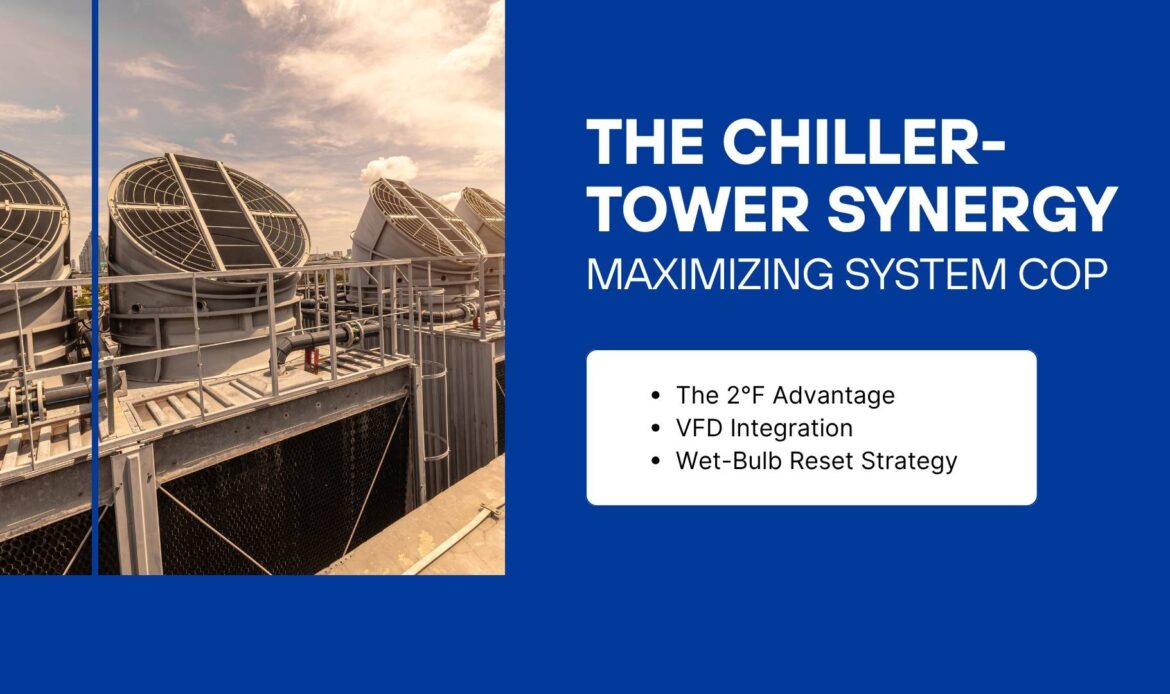
- The 2°F Advantage: A high-efficiency tower lowers condenser water temperatures significantly. Every single degree of reduction increases the chiller Coefficient of Performance (COP) by 3 to 5 percent.
- VFD Integration: You must utilize Variable Frequency Drives (VFD). These drives match the tower fan speed to the actual building load, which prevents massive energy overspend during off-peak hours.
- Wet-Bulb Reset Strategy: Modern Building Management Systems (BMS) allow you to dynamically adjust tower setpoints. The system uses local humidity sensors to reset targets, ensuring peak efficiency at all times.
4. 2026 Regulatory Landscape: The "Safety Shield."
You must actively manage the liability associated with Legionella outbreaks and aerosolized drift. Proper equipment selection acts as your safety shield.
ASHRAE 188 Compliance
Your 2026 tower selection must align with ASHRAE 188 standards. You need to include automated chemical dosing systems and digital logbooks. These tools provide instant data for sudden regulatory audits.
High-Efficiency Drift Eliminators
Municipal public health codes continue to grow stricter. You must install high-efficiency drift eliminators that achieve a drift loss rate of less than 0.0005 percent. This keeps hazardous aerosols out of the surrounding community.
Acoustic Compliance
Dense residential-commercial mixed zones enforce strict noise limits. You must select Low-Noise Fan (LNF) assemblies to avoid severe noise pollution fines.
5. Maintenance 4.0: Predictive Selection Criteria
Ensure your new tower is fully compatible with modern self-diagnostic technology. Predictive maintenance prevents catastrophic failures.
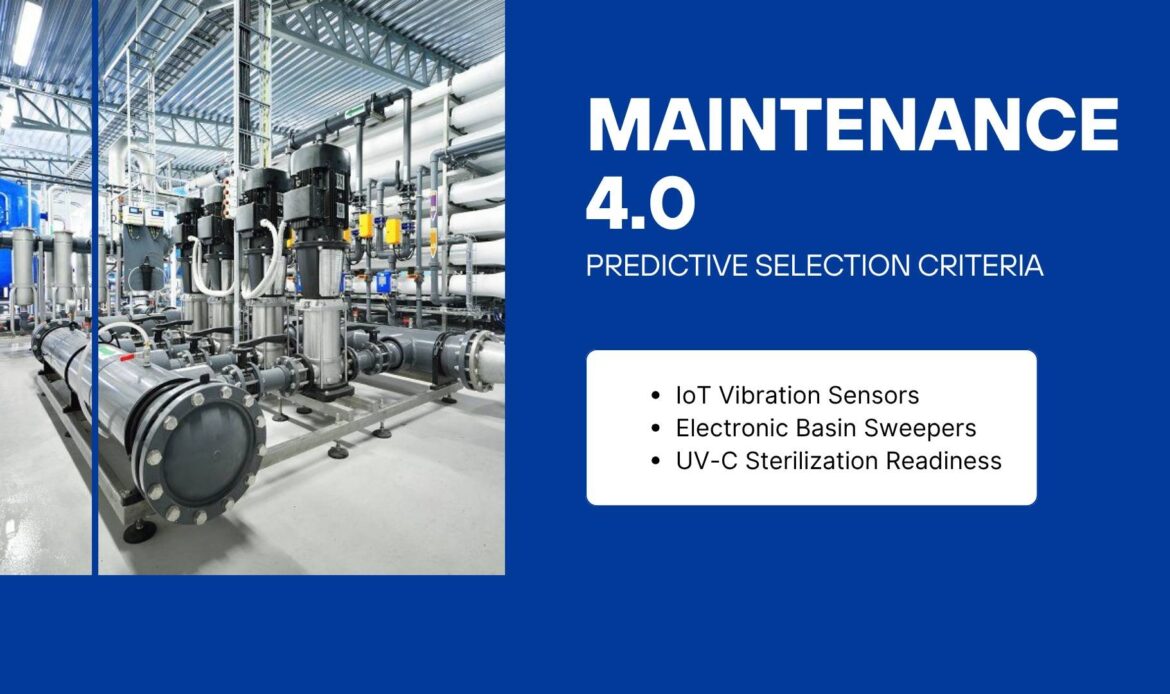
- IoT Vibration Sensors: You should opt for motors pre-wired for vibration analytics. These sensors detect anomalies early and predict bearing failures up to 30 days in advance.
- Electronic Basin Sweepers: Replace manual cleaning schedules with automatic filtration systems. These sweepers remove sediment in real-time, effectively eliminating the nurseries where Legionella bacteria breed.
- UV-C Sterilization Readiness: Ensure the basin design accommodates non-chemical disinfection upgrades. UV-C technology provides a powerful secondary defense against biological growth.
Conclusion: Future-Proofing the Commercial Rooftop
The 2026 commercial building cooling tower is a highly intelligent, data-driven asset. It serves the financial bottom line of your building while protecting the health of the planet. Upgrading your equipment mitigates risk, improves tenant satisfaction, and drastically reduces energy consumption.
At Industrial Cooling Solutions, we do not just sell equipment; we engineer thermal certainty. We ensure your systems operate at maximum efficiency while meeting all future regulatory demands.
Is your building's current tower an energy leak or a severe compliance liability? Do not wait for a component failure or a regulatory fine to find out. Contact Industrial Cooling Solutions today for a comprehensive 2026 Performance-Gap Analysis and Selection Audit.
Frequently Asked Questions
How do I choose between different commercial cooling tower types in 2026?
Selecting the right equipment depends heavily on your specific site constraints. Dense urban environments usually require packaged forced-draft models to maximize limited space. If you face high humidity levels, induced-draft counterflow designs offer superior performance. Hybrid systems represent the gold standard for sustainability, slashing water usage during shoulder seasons. Always evaluate your local climate, acoustic limits, and available footprint before making a final decision among cooling tower types.
Why is material selection critical for new commercial cooling towers?
Proper material selection dictates the lifespan and safety of your system. The industry is rapidly moving away from legacy galvanized steel toward more durable options. Fiberglass Reinforced Polyester (FRP) provides excellent corrosion resistance for coastal areas, lasting over 25 years. Alternatively, grade 316 stainless steel delivers robust performance for high-heat industrial applications. Upgrading to PFAS-free PVC fill also guarantees you meet strict new environmental health standards.
How can a new cooling tower improve overall building energy efficiency?
Upgrading your tower directly impacts your entire HVAC system. A high-performance unit lowers condenser water temperatures, which significantly boosts your chiller's Coefficient of Performance (COP). Integrating Variable Frequency Drives (VFD) matches fan speeds to actual building loads, eliminating massive energy waste during off-peak hours. Building Management Systems also use wet-bulb reset strategies to adjust targets dynamically, ensuring maximum energy efficiency throughout the year.
What features do I need to ensure regulatory compliance for my cooling tower?
Modern systems must actively manage public health risks to maintain regulatory compliance. You need automated chemical dosing and digital logbooks to meet strict ASHRAE 188 standards. Installing high-efficiency drift eliminators keeps hazardous aerosols away from the community, drastically reducing the risk of Legionella outbreaks. Additionally, low-noise fan assemblies help you avoid severe acoustic penalties in dense mixed-use residential zones.
How does predictive maintenance technology reduce cooling tower operating costs?
Integrating modern maintenance technology transforms your tower into a highly intelligent asset. IoT vibration sensors detect bearing anomalies up to 30 days before a catastrophic failure occurs. This allows you to schedule repairs without disrupting building operations. Furthermore, electronic basin sweepers automatically filter out sediment in real-time. This eliminates the manual labor previously required for cleaning and destroys the breeding grounds for dangerous bacteria.