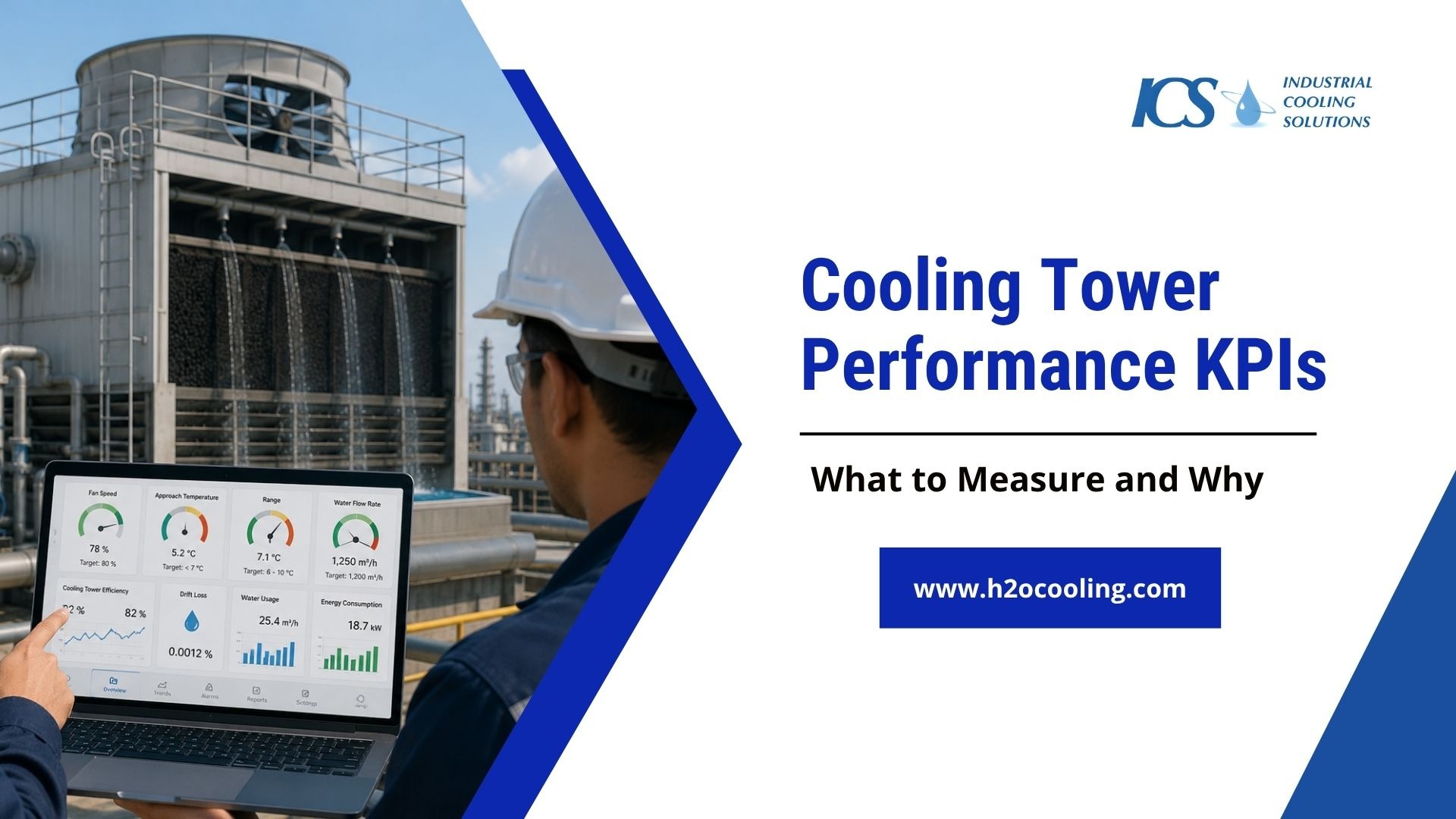
Tracking the right cooling tower performance KPIs helps operators improve efficiency, reduce energy waste, prevent system failures, and maintain stable thermal performance. Modern cooling...
A precise cooling tower commissioning procedure is essential to ensure optimal performance and long-term reliability. This process involves rigorous pre-functional checks, hydraulic balancing, and...
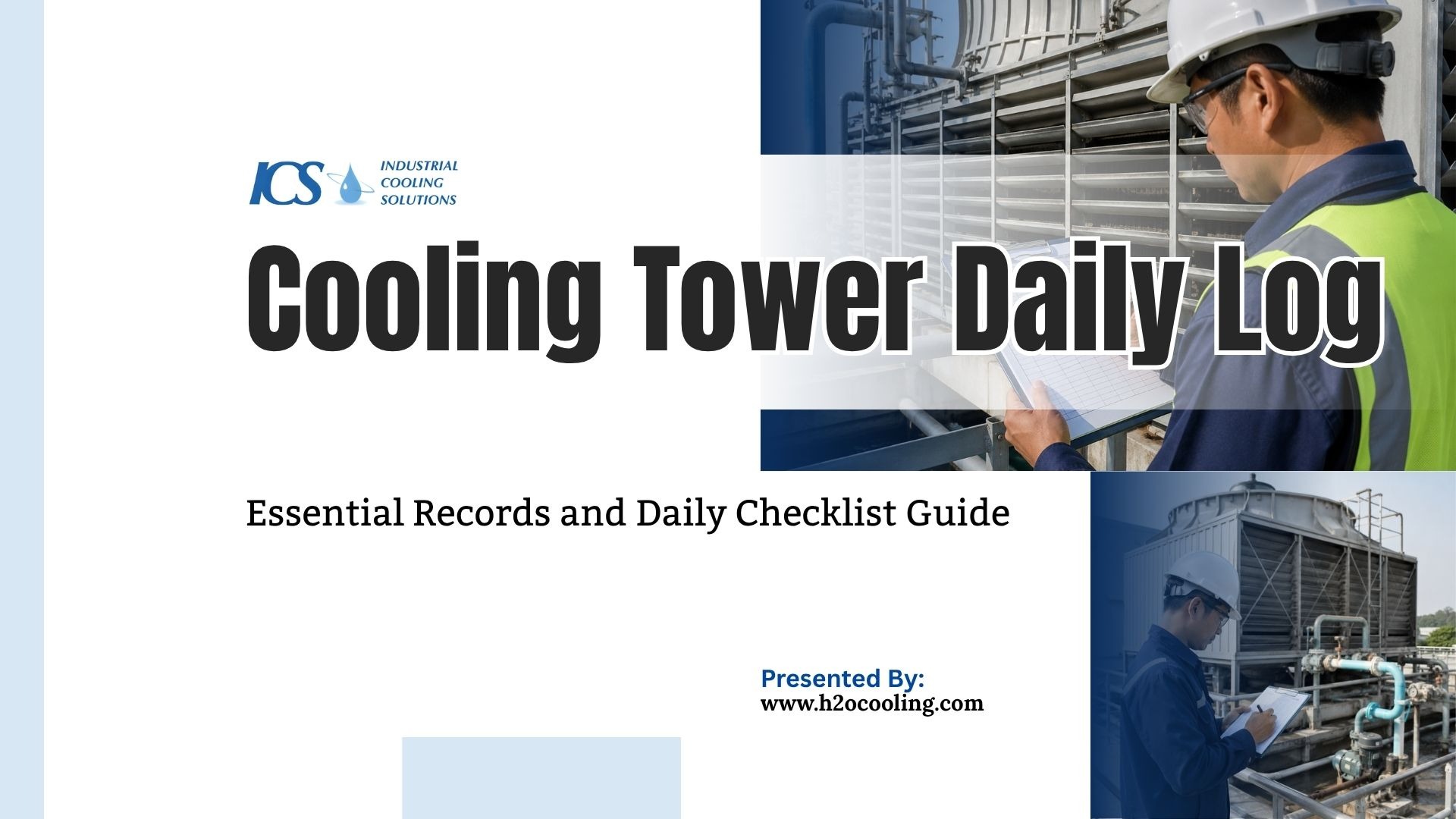
A well-maintained cooling tower daily log helps operators track performance, detect early faults, support compliance, and reduce expensive equipment failures. Daily logging should include...
Comprehensive cooling tower operator training equips maintenance personnel with the technical skills needed to maximize thermal efficiency and prevent costly equipment failure. This specialized...
Cooling tower nozzle clogging occurs when mineral buildup, biological growth, corrosion byproducts, or external debris obstruct the nozzles, disrupting water distribution. This leads to...
Cooling tower water foaming occurs when surfactants, suspended solids, or contaminants like oils and detergents disrupt water chemistry. This foam acts as a barrier...
Cooling tower low water flow reduces cooling efficiency, increases energy consumption, and damages critical system components in industrial cooling operations. Most low-flow conditions develop...
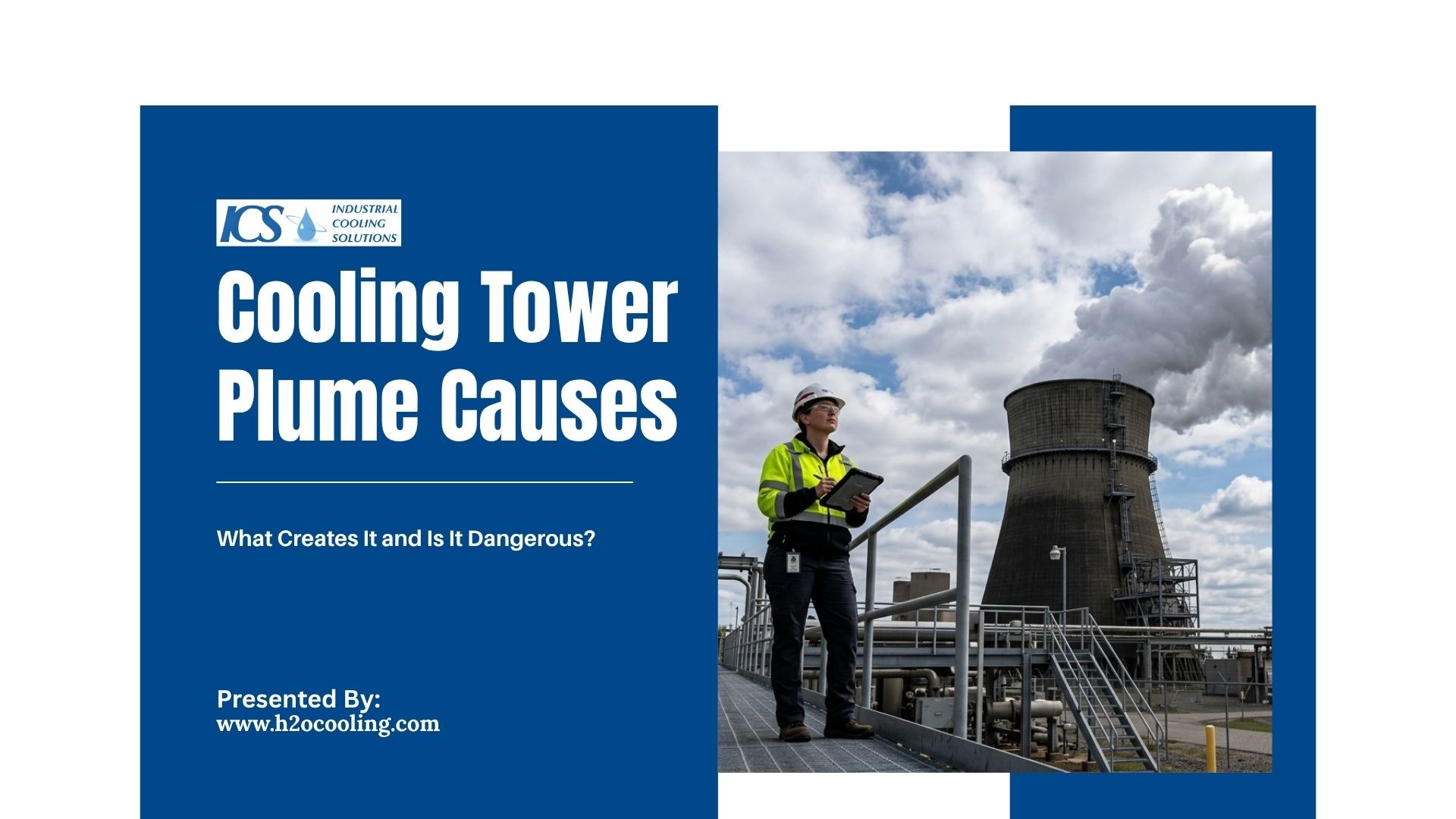
Cooling tower plume causes are primarily linked to water vapor condensation when warm saturated air from the tower mixes with cooler outdoor air. Most...
Cooling tower foundation design ensures structural stability and operational efficiency by addressing critical factors like load calculations, seismic resistance, and vibration damping. Properly engineered...