The year 2026 signals a transformative leap in manufacturing, with Thermal Velocity redefining how we approach injection molding cooling. No longer seen as downtime,...
A cooling tower drainage system is essential for protecting equipment, preventing contamination, and ensuring operational reliability. Without it, water accumulation can lead to bacterial...
Reliable thermal performance depends on precise engineering, and in industrial settings, the cooling tower electrical design plays a key role in ensuring efficiency and...
An HVAC cooling tower is no longer an auxiliary piece of equipment. It is the thermal anchor of modern, high-performance buildings. At Industrial Cooling...
A cooling tower is the thermodynamic pulse of a facility. Its performance is central to operational stability. Calculating the cooling tower heat load is...
Cooling towers represent a significant investment in industrial and commercial infrastructure. Their efficiency relies heavily on proper placement, yet many facilities overlook the critical...
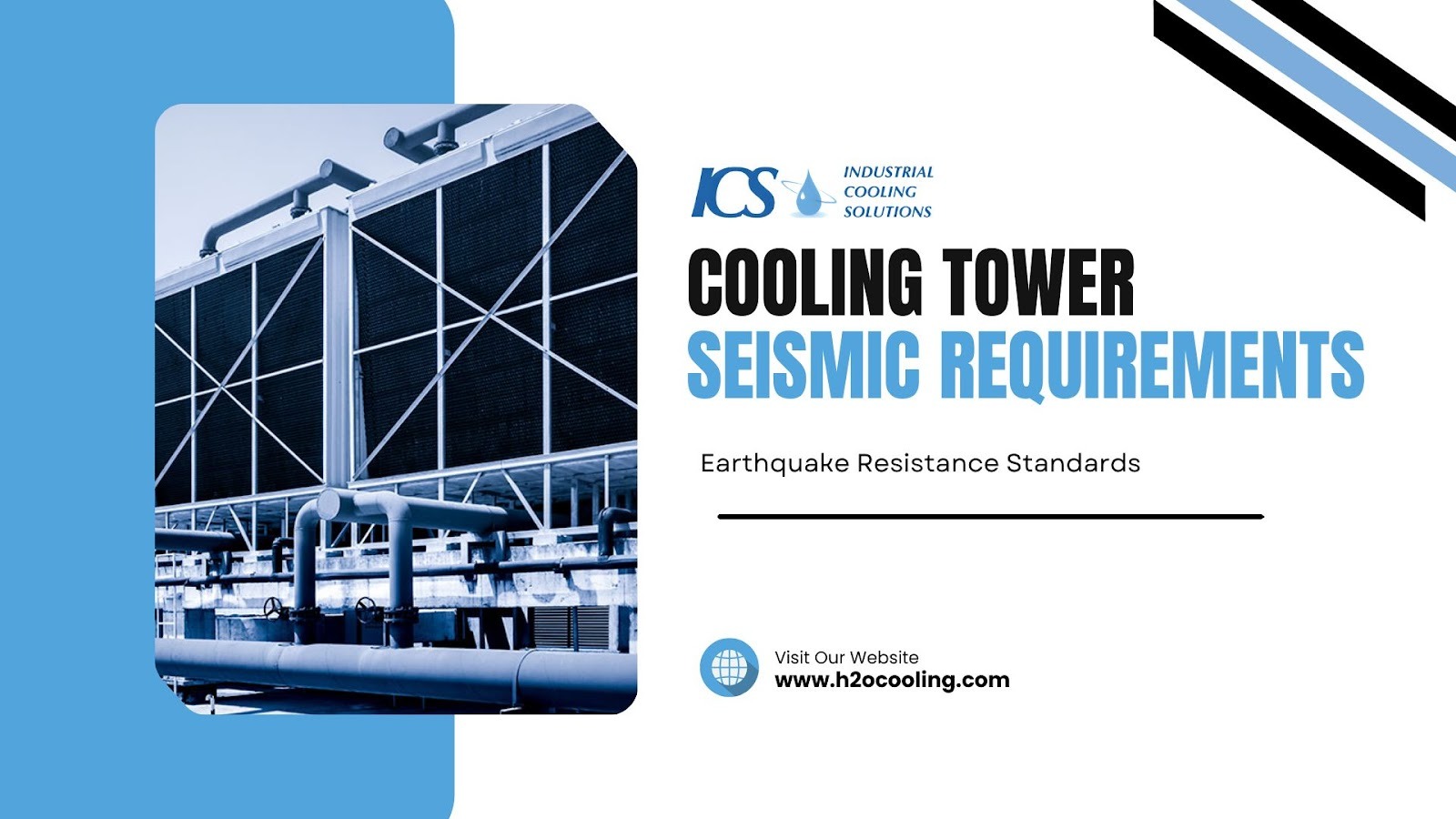
Cooling tower seismic requirements are essential to ensure stability and safety during earthquakes. These standards address key aspects such as design loads, seismic zone...
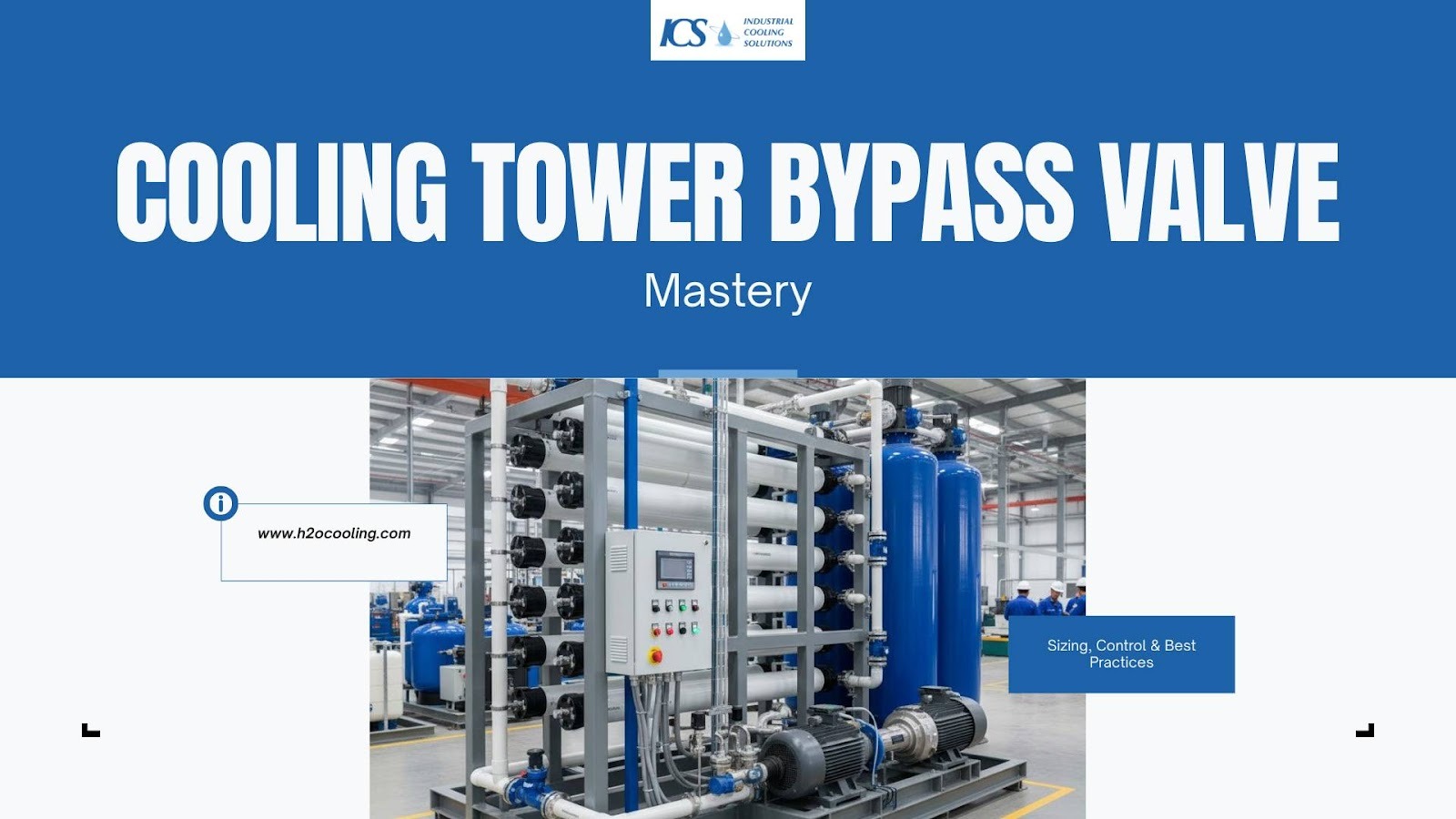
A cooling tower bypass valve is a critical safeguard, ensuring thermal stability and protecting your process from over-cooling and mechanical failure. Far from being...
Inefficiencies at a cooling tower’s entry and exit points do more than just disrupt airflow; they silently undermine thermal performance and inflate energy costs....