Cooling tower water smells bad due to biological or chemical imbalances, often caused by bacteria like sulfate-reducing bacteria (SRB), algae, or process glycol leaks....
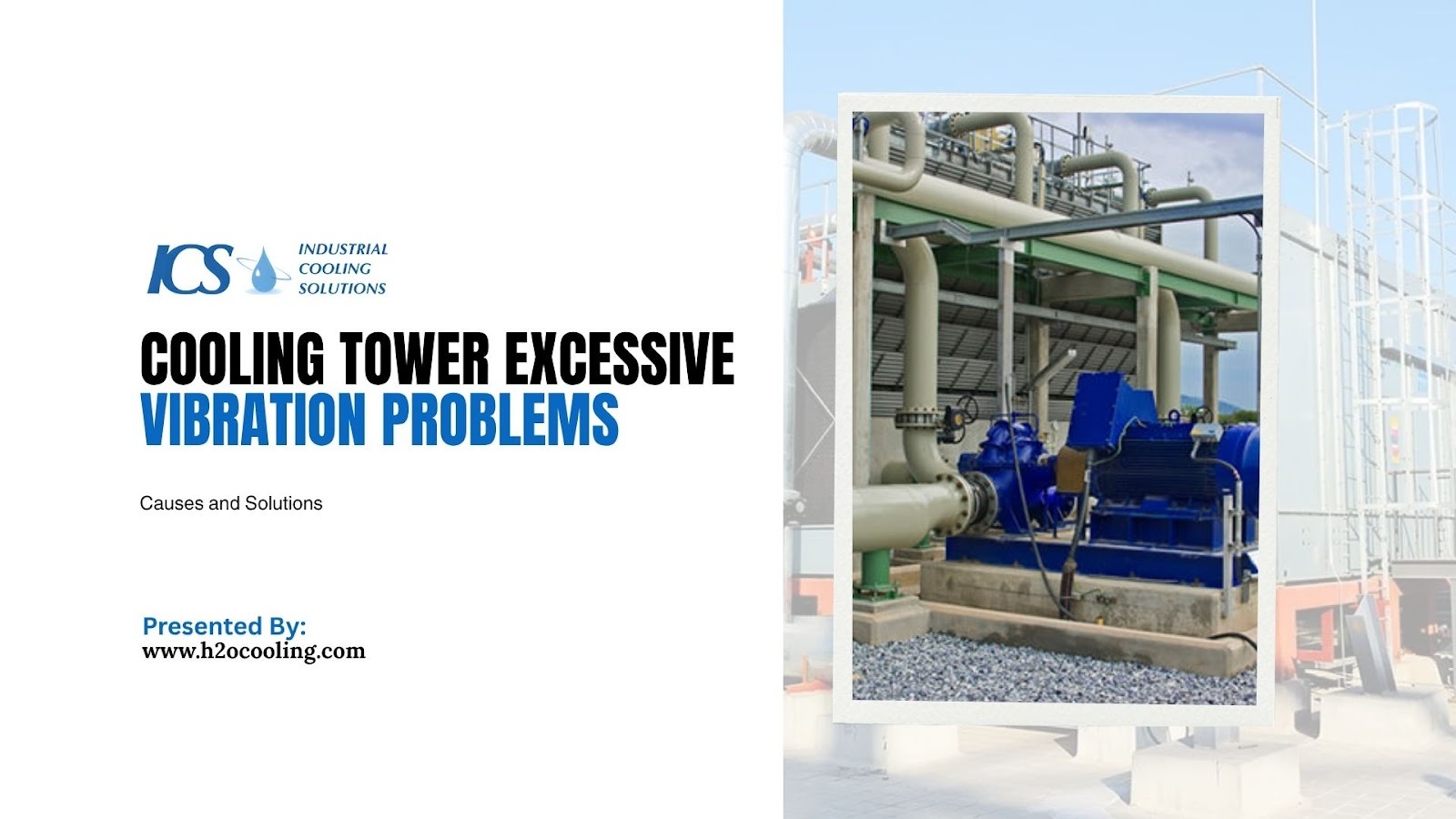
Cooling tower excessive vibration is a critical warning sign that requires immediate attention. It often points to underlying mechanical faults like fan imbalance, bearing...
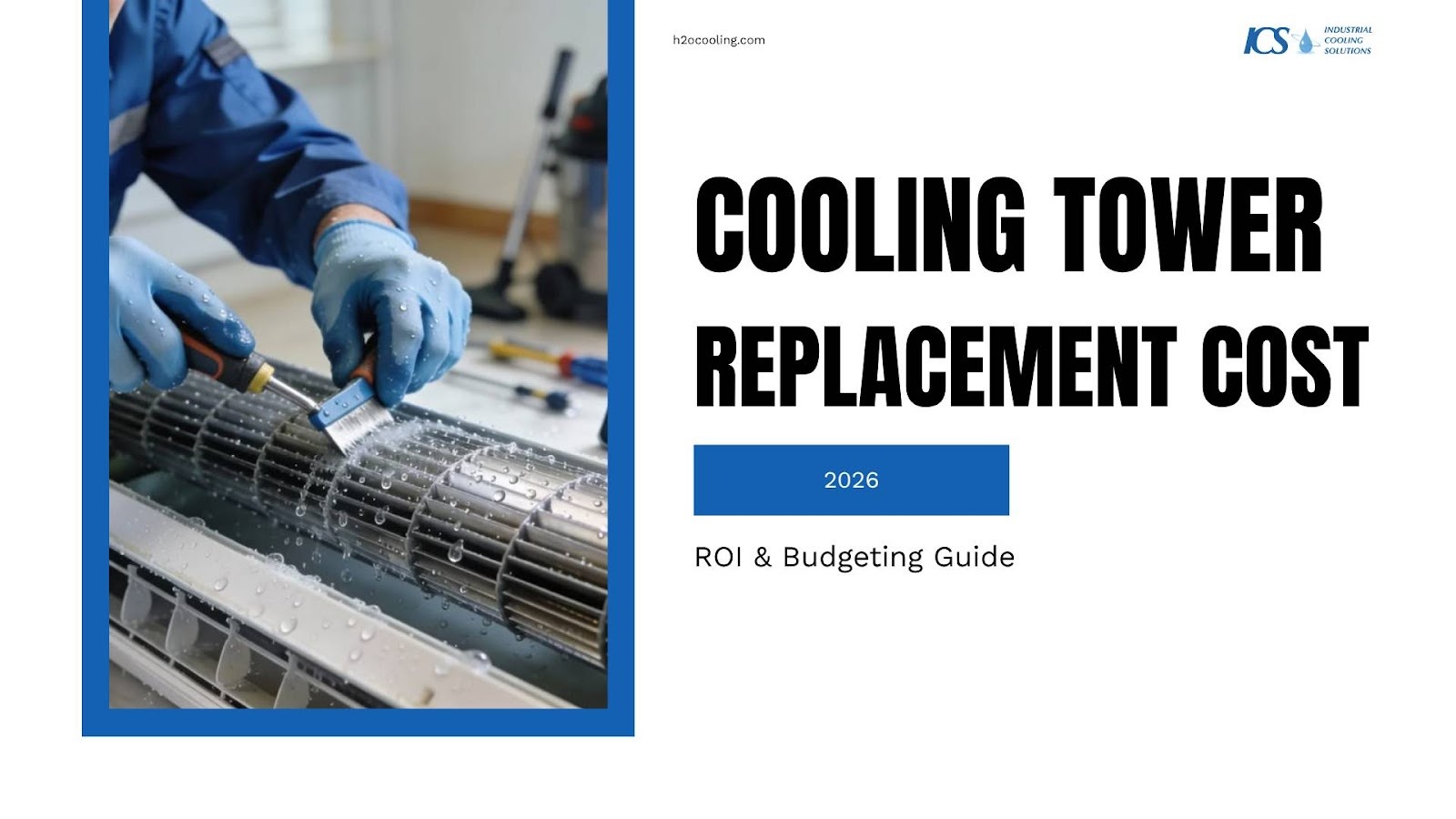
The cooling tower replacement cost in 2026 depends on size, material, and installation factors. Small commercial units (up to 200 tons) range from $65,000...
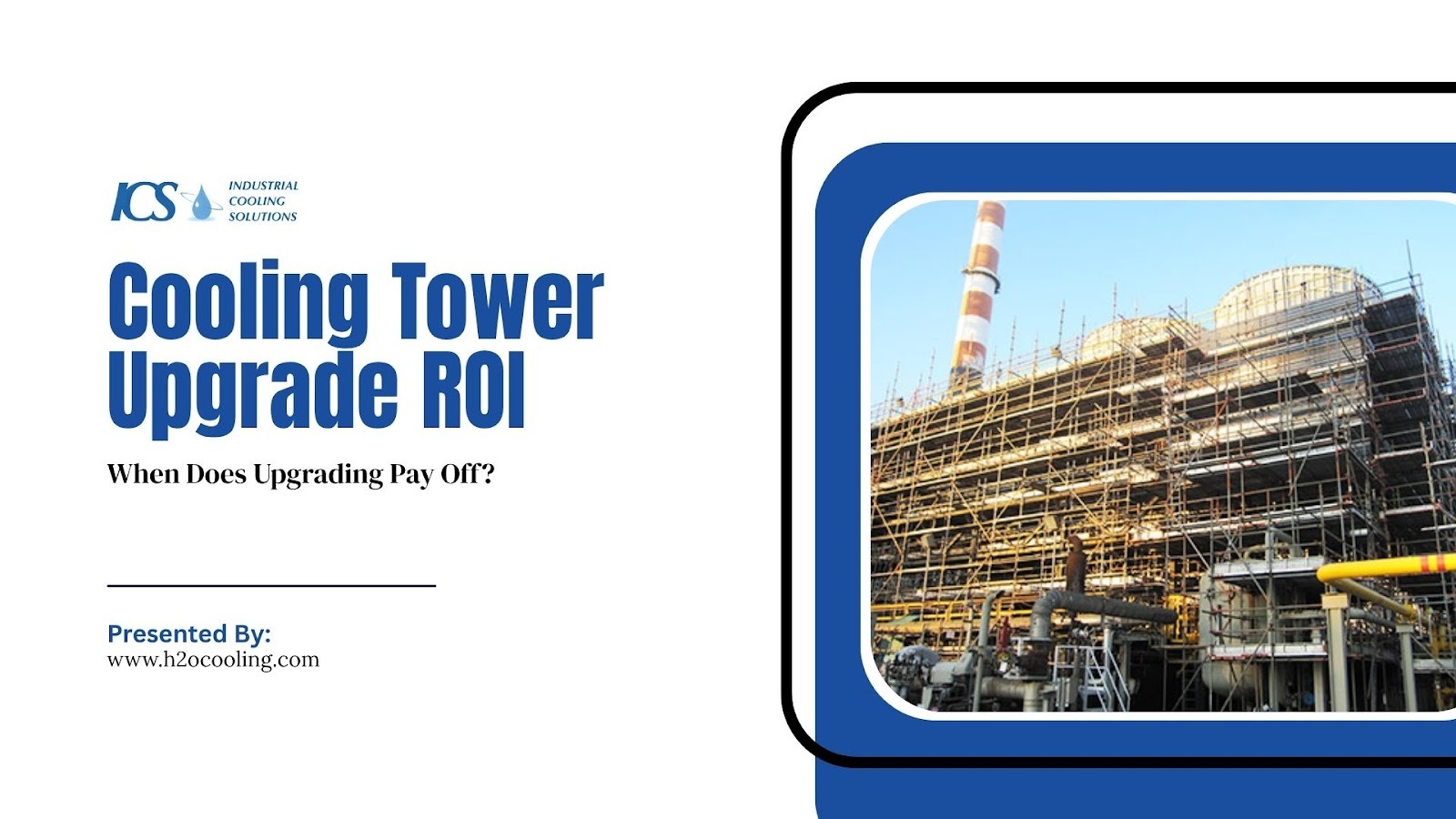
Understanding cooling tower upgrade ROI is essential for facility managers seeking a strong financial return. A well-planned upgrade directly increases efficiency improvement across your...
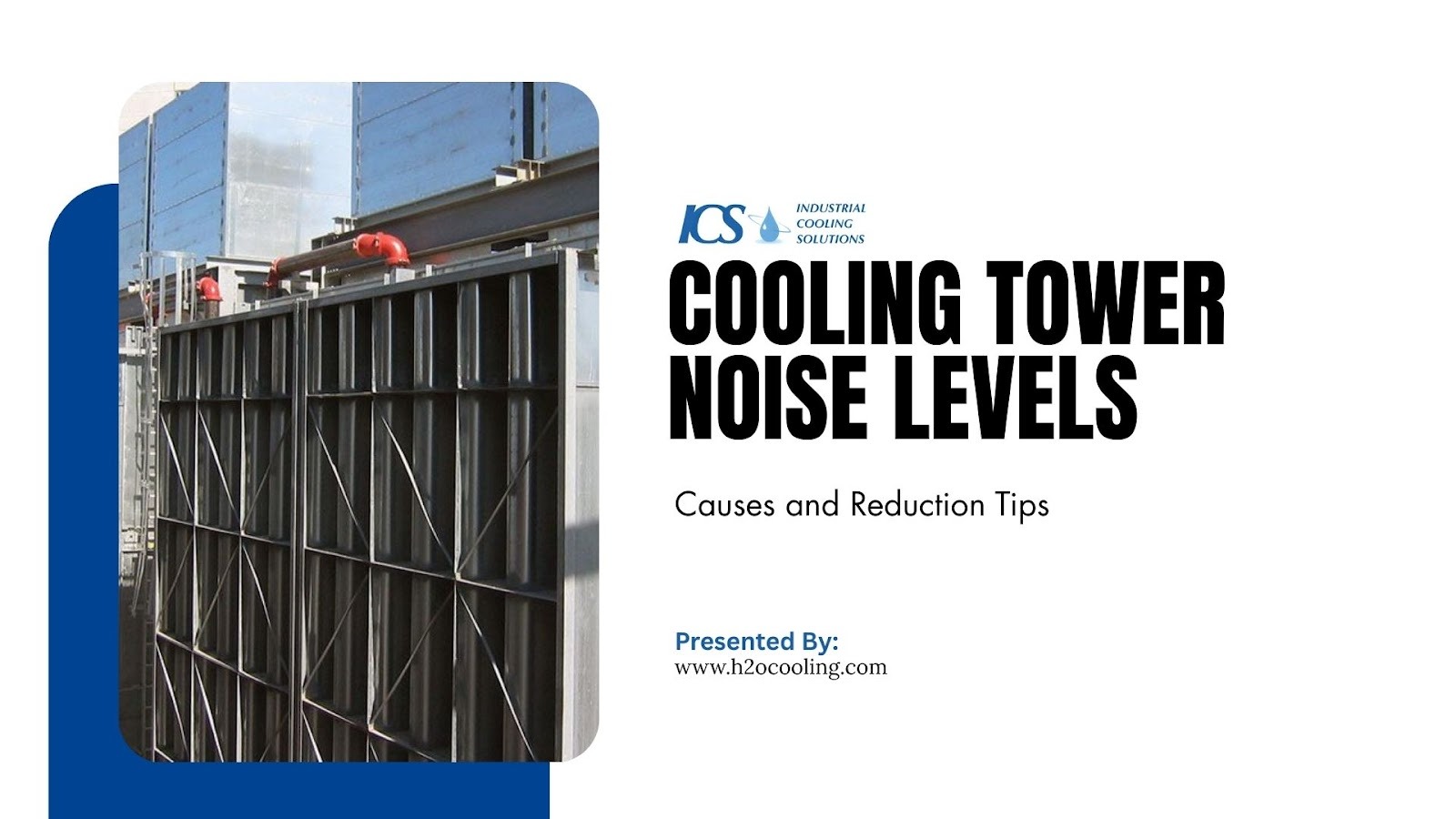
Cooling tower noise refers to the unwanted sound generated by industrial cooling systems, which generally operate at decibel levels between 70 and 100 dB....
Cooling tower operating costs are influenced by energy consumption, water usage, chemical treatment, and maintenance. Optimizing fan speed with Variable Frequency Drives (VFDs) can...
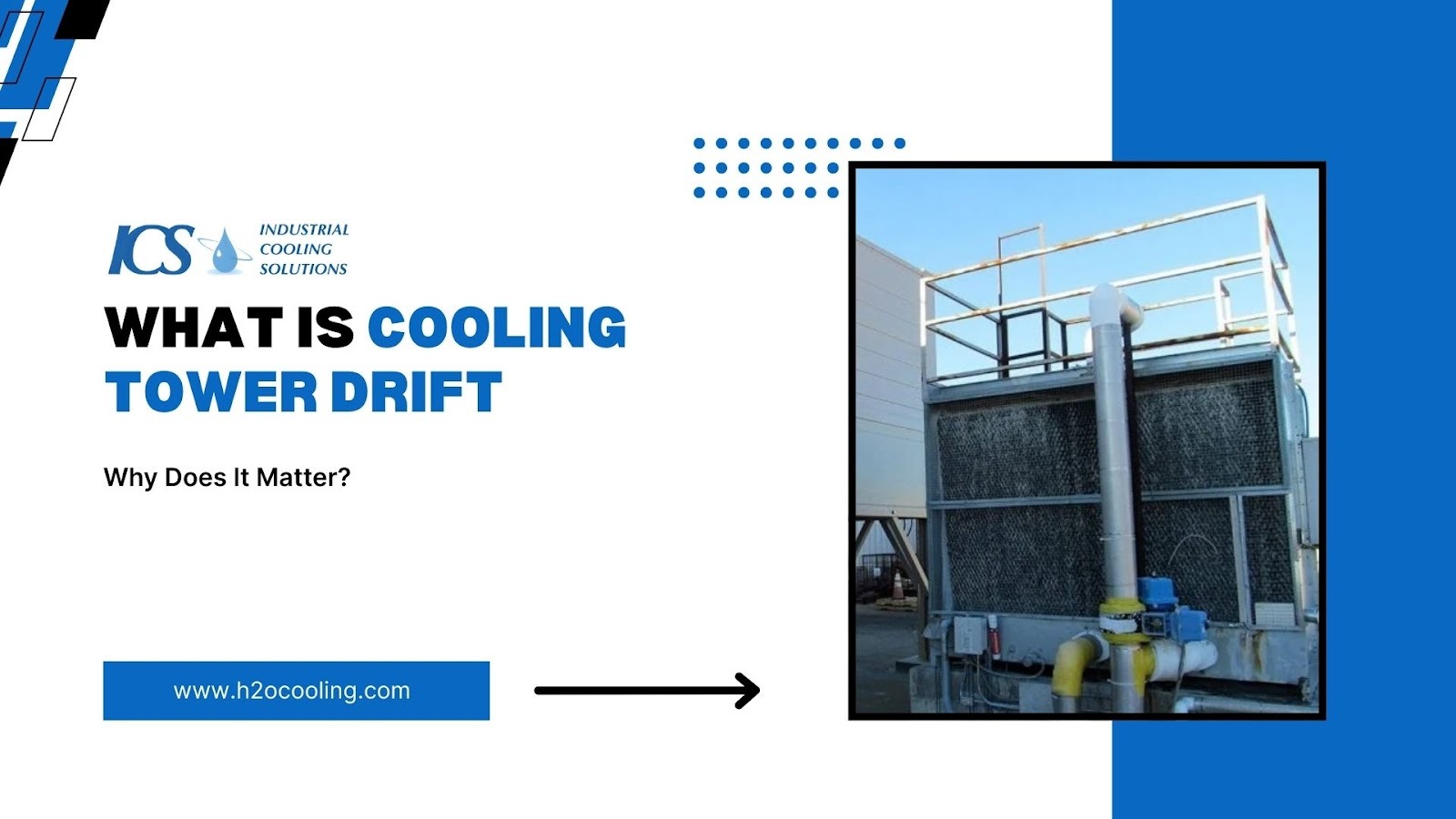
Cooling tower drift refers to the unintended escape of liquid water droplets carried out with the exhaust air. This phenomenon often involves chemicals and...
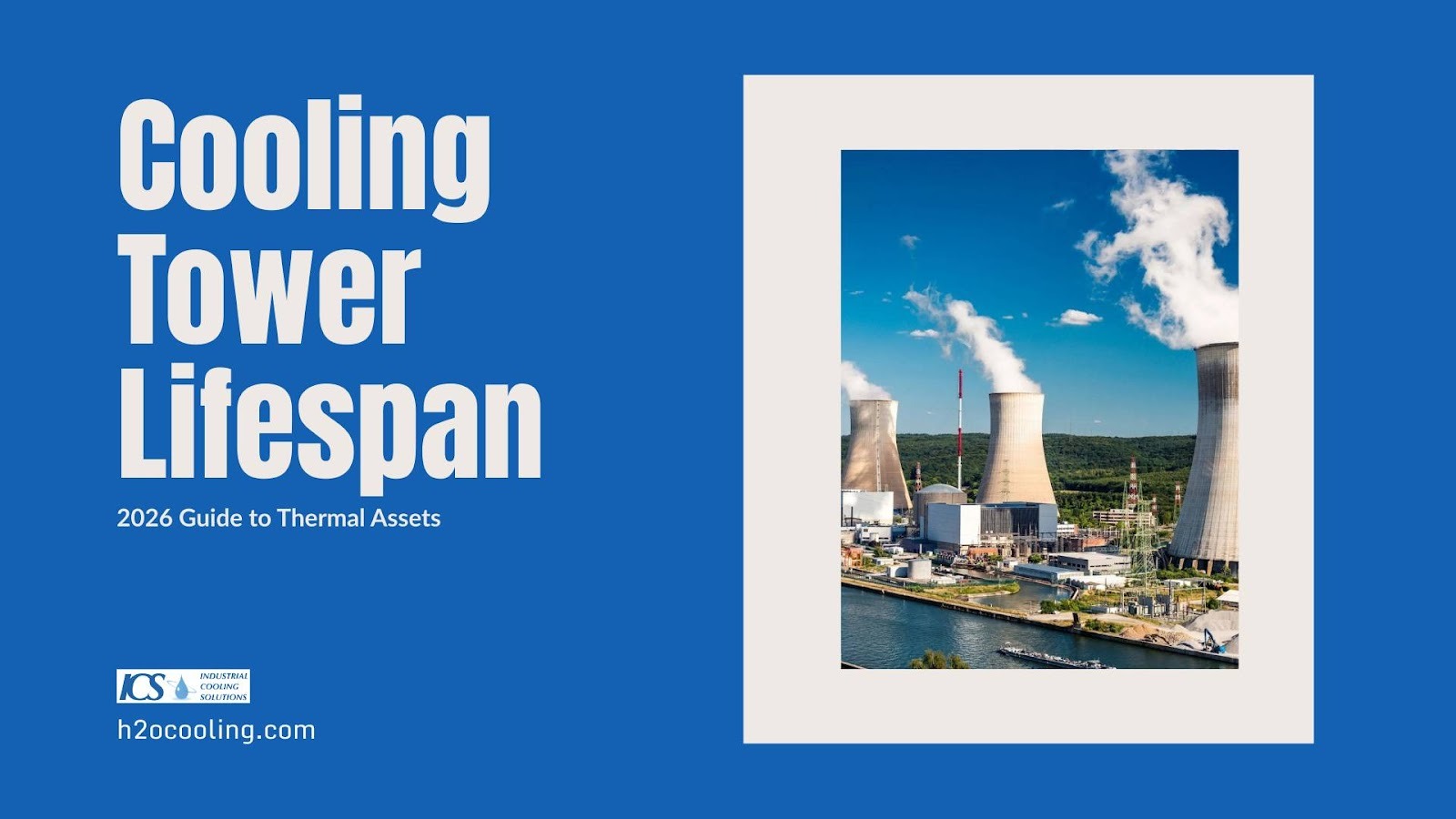
The cooling tower lifespan depends on its materials and maintenance. Pultruded FRP (fiberglass) offers the longest durability, lasting 35–50+ years, while stainless steel ranges...