

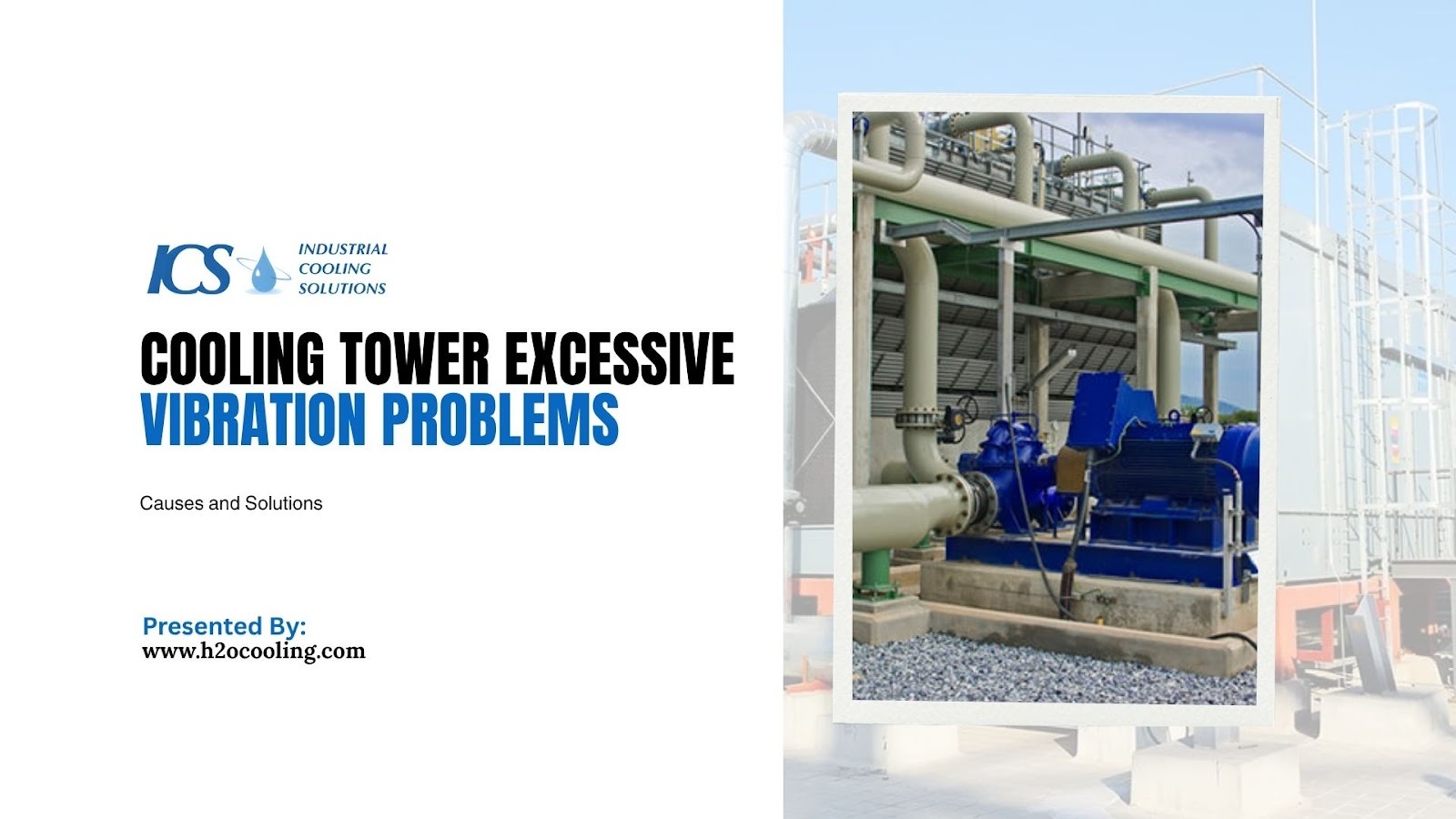
Cooling tower excessive vibration is a critical warning sign that requires immediate attention. It often points to underlying mechanical faults like fan imbalance, bearing failure, or gearbox wear.
Ignoring these symptoms quickly leads to severe mechanical damage and expensive system downtime. Early diagnosis ensures long-term cost savings and maintains complete system reliability. Facility managers must identify the root causes immediately to protect their equipment.
What Causes Excessive Vibration in Cooling Towers?
What is making your system shake uncontrollably? Understanding the primary triggers helps you apply the correct fix rapidly. Look out for these common culprits that disrupt normal operation:
- Fan imbalance
- Bearing wear or failure
- Gearbox damage or misalignment
- Loose structural components
- Shaft misalignment
Unbalanced fans, worn bearings, and gearbox issues are among the most common causes of cooling tower excessive vibration.
Why Cooling Tower Vibration Is a Serious Problem (Not Just Noise)
Mechanical Damage Risks
Are you underestimating the physical toll on your equipment? Left unchecked, shaking the machinery apart piece by piece. Watch out for these specific physical failures:
Operational & Business Impact
How does this issue affect your company's bottom line? Mechanical faults bleed money through lost efficiency and halted operations. Consider these severe business consequences:
- Unexpected downtime
- Reduced cooling efficiency
- Increased energy consumption
Cooling tower: Excessive vibration is often the first warning sign of major failure.
Root Cause Breakdown: From Symptoms to Solutions
Fan Imbalance (Most Common Cause)
- Causes: Dirt buildup, blade damage or cracks, and uneven blade pitch often create this issue.
- Symptoms: You will notice strong vibration at startup and excessive noise coming from the fan deck.
- Solutions: Perform dynamic balancing and ensure thorough blade cleaning or replacement.
Imbalance creates centrifugal forces that damage components rapidly.
Bearing Failure
Causes: Inadequate or improper lubrication is a leading cause of bearing failure. Over time, natural wear and tear also degrade performance, while excessive operational loads can accelerate this process, leading to premature destruction of these critical parts.
Symptoms: A loud, persistent grinding or screeching noise is a classic sign of failing bearings. This will often be accompanied by increasing vibration levels that you can feel through the unit's structure, indicating a severe and urgent problem.
Solutions: Replace the failed bearings immediately to prevent further system damage. To avoid future issues, including cooling tower excessive vibration, stick to the manufacturer's recommended lubrication schedule. Routine checks on new bearings are vital as they are a common point of failure.
Gearbox Wear or Failure
- Causes: Misalignment, heavy gear wear, and lubrication issues cause severe internal damage.
- Symptoms: Look for irregular vibration, oil leakage, and unusual mechanical noise.
- Solutions: Conduct a gear inspection, apply alignment correction, and complete an oil replacement.
Gearbox faults are a major contributor to cooling tower failures.
Shaft Misalignment
Shaft misalignment occurs when two rotating shafts are not positioned in a straight line, leading to increased stress on components like bearings and couplings.
This common issue can result from an improper initial setup or shifts in the tower's foundation over time. If not addressed, shaft misalignment is a primary cause of cooling tower excessive vibration, leading to costly damage.
- Causes: Look for signs of improper installation or structural movement that can push the shaft out of place.
- Symptoms: Key indicators include vibration that increases over time and highly visible wear on the coupling.
- Solutions: Perform a complete realignment using precision laser alignment tools to correct the positioning.
Structural Issues
Over time, the structural integrity of a cooling tower can be compromised, leading to significant operational risks. Issues like loose bolts, frame damage, or corrosion can weaken the entire structure, causing vibrations that can damage other components.
Causes: Loose bolts, frame damage, or extensive corrosion can weaken the tower's frame.
Symptoms: Key indicators include the tower shaking or visible instability during operation.
Solutions: Address these issues by conducting a detailed structural inspection, followed by necessary tightening, repairs, and reinforcement.
Quick Guide: Cooling Tower Problems & Fixes
| Cause | Symptoms | Risk Level | Solution |
| Fan imbalance | Noise, shaking | High | Dynamic balancing |
| Bearing failure | Grinding sound | High | Replace bearings |
| Gearbox wear | Irregular vibration | Very High | Repair/replace gearbox |
| Misalignment | Increasing vibration | Medium | Realignment |
| Structural looseness | Tower shaking | High | Tightening & repair |
| Dirt buildup | Uneven rotation | Medium | Cleaning |
| Corrosion | Weak components | High | Replace parts |
| Lubrication failure | Heat + friction | High | Proper lubrication |
The Role of Vibration Switches in Preventing Damage
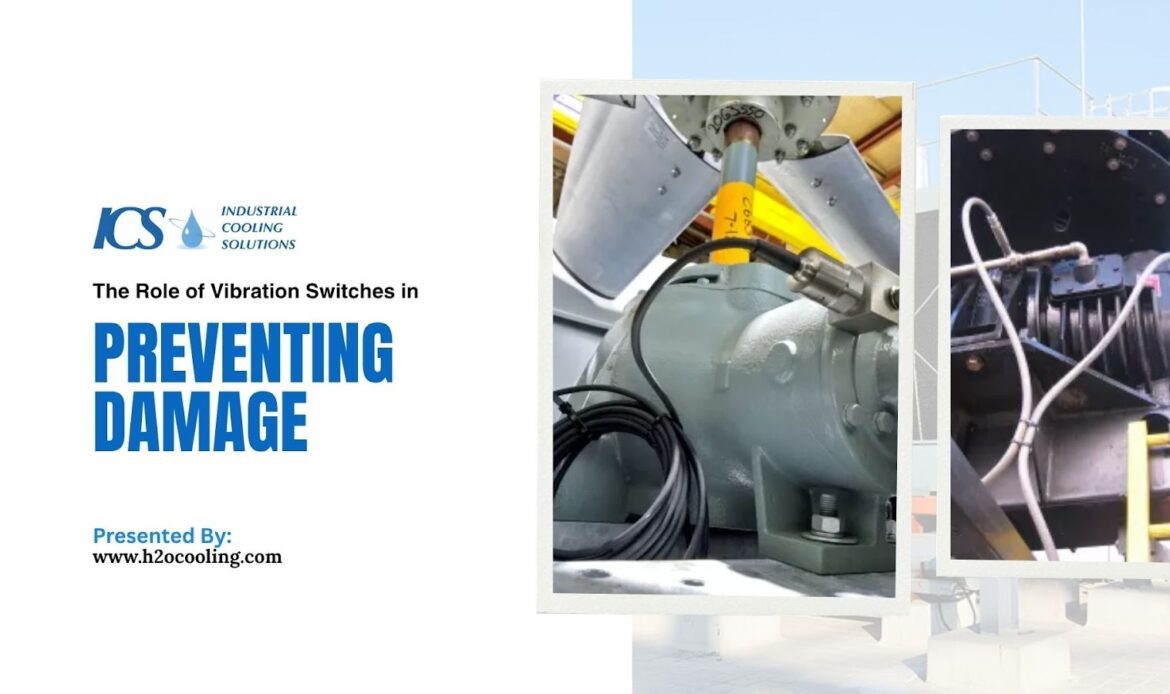
What Is a Vibration Switch?
How does the system protect itself during a sudden mechanical failure? A specialized safety component steps in to stop catastrophic damage. This device performs the following essential functions:
- Detects abnormal vibration
- Automatically shuts down the system
Why It Is Critical
Why should every cooling tower have this safety device installed? It acts as the final line of defense against total equipment destruction. The component provides these primary benefits:
- Prevents catastrophic failure
- Protects the fan and gearbox
- Avoids costly downtime
- Enhances personnel safety
A vibration switch stops systems immediately when safety limits are exceeded.
Step-by-Step Troubleshooting Process
Step 1: Visual Inspection
A basic visual check can often reveal the most obvious faults causing the cooling tower's excessive vibration. Before taking machinery apart, look for issues like loose parts and damaged fan blades.
- Check for loose parts: Look for any loose nuts, bolts, or other fasteners that could be causing an imbalance.
- Inspect fan blades: Examine the blades for any signs of damage, such as cracks, chips, or bending, which can lead to severe vibration.
Step 2: Mechanical Inspection
Next, evaluate the core rotating components for wear and tear. These internal parts are critical for stable operation, and even minor issues can lead to significant vibrations.
- Inspect bearings: Check for wear, damage, or lack of lubrication, as faulty bearings are a common source of vibration.
- Examine the gearbox: Listen for unusual noises and look for signs of wear on the gears, which can cause imbalances.
- Verify shaft alignment: Ensure the machine's shafts are properly aligned, as misalignment forces the components to vibrate.
Step 3: Vibration Monitoring
How can you measure the exact severity of the shaking? Technology provides precise data to pinpoint the exact problem.
- Use sensors: Attach vibration sensors to the equipment to collect data on the frequency and amplitude of the vibrations.
- Analyze vibration patterns: Use specialized software to analyze the data from the sensors. Different vibration patterns can indicate specific problems, such as imbalance, misalignment, or bearing wear.
Step 4: Fix Root Cause
Once you identify the root cause, whether it’s a worn bearing, a misaligned shaft, or an imbalanced fan, take the necessary steps to fix it. This might involve repairing the part or swapping it out for a new one to resolve the excessive vibration in the cooling tower.
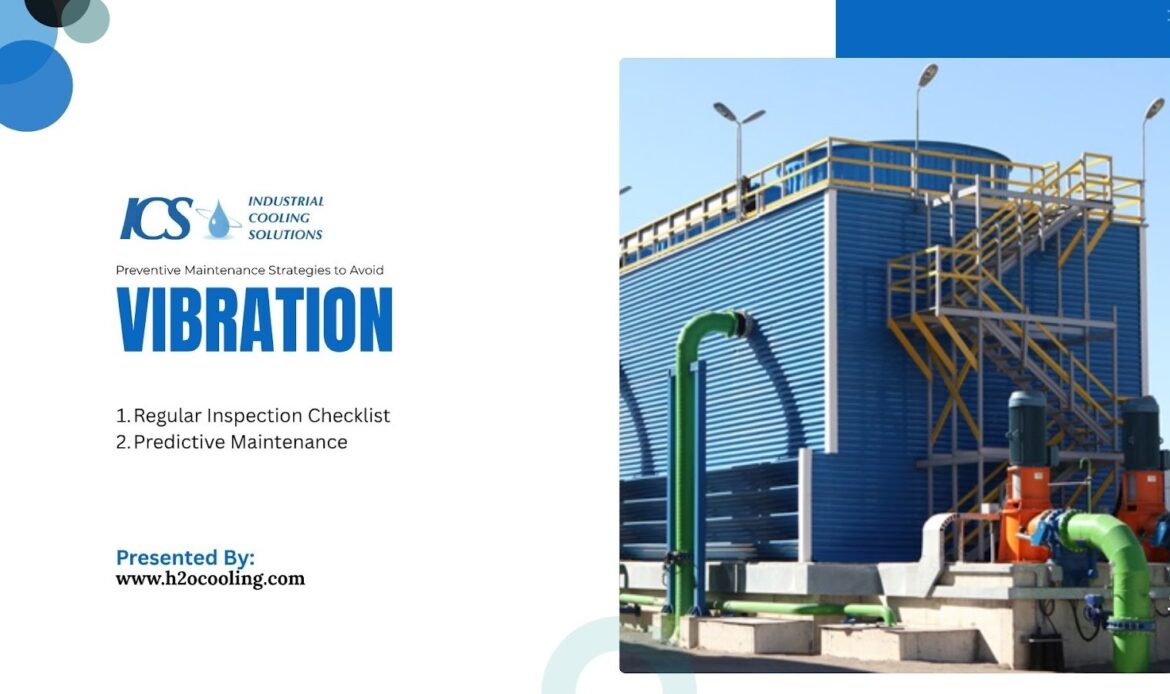
Preventive Maintenance Strategies to Avoid Vibration
Regular Inspection Checklist
Routines that keep your equipment running smoothly year-round are essential. Consistent checks prevent minor issues from becoming major disasters. Make sure your maintenance team performs these tasks:
- Fan balance check
- Bearing lubrication
- Gearbox inspection
Predictive Maintenance
Modern technology lets facility managers predict failures before they occur. Implement these advanced strategies to see into the future of your equipment:
- Install Vibration Sensors: These devices continuously measure the vibration levels of your equipment, providing real-time data that can signal the earliest signs of a problem.
- Implement Data Monitoring: By analyzing the data from your vibration sensors over time, you can spot trends and predict when a part is likely to fail, allowing you to schedule maintenance before a breakdown occurs.
This proactive approach helps detect failures early and can prevent downtime entirely.
Key Takeaways
To ensure your system remains stable and efficient, it's crucial to understand and address the root causes of vibration. Understanding cooling tower excessive vibration is the first step toward better maintenance. A vibration switch and a routine structural inspection will save your machinery. Remember these vital points:
- Vibration is an early warning signal of underlying problems in your cooling tower.
- Fan imbalance is the most frequent cause of excessive vibration.
- Bearing failure and gearbox wear are critical risks that can lead to catastrophic failure.
- Preventive maintenance is key to reducing costly downtime and extending equipment life.
- Continuous monitoring systems significantly improve the reliability and safety of your operations.
Don't let vibration shake your operations. For expert vibration analysis and quick repairs, visit h2ocooling.com today and secure your system's performance.
Frequently Asked Questions
What causes excessive vibration in cooling towers?
Excessive vibration in cooling towers is often caused by several mechanical issues. The most common culprits include fan imbalance, bearing failure, gearbox problems, and misalignment of components. Over time, these parts can wear down or become misaligned, leading to vibrations that can disrupt the entire system.
Is cooling tower vibration dangerous?
Yes, excessive cooling tower vibration is very dangerous. If left unaddressed, it can lead to catastrophic mechanical failure, causing significant damage to the equipment. This not only results in expensive repairs but also leads to extended and costly operational downtime, impacting productivity and safety.
How do you fix cooling tower vibration?
Fixing cooling tower vibration starts with identifying the root cause through a thorough inspection and vibration analysis. Common solutions include balancing the fan, replacing worn-out bearings or gearbox components, and ensuring all parts are correctly aligned.
What is a vibration switch in a cooling tower?
A vibration switch is a critical safety device installed in a cooling tower. Its primary function is to monitor vibration levels continuously. If vibrations exceed a pre-set safety threshold, the switch automatically triggers a shutdown of the system, preventing catastrophic failure and protecting the equipment from severe damage.
How can vibration be prevented?
Preventing vibration relies on a proactive maintenance strategy. This includes conducting regular inspections, performing proper alignment of all moving parts, and implementing advanced monitoring systems to detect early signs of trouble. Consistent preventive maintenance is the most effective way to avoid unexpected issues and ensure long-term reliability.