

Industrial cooling towers are mission-critical assets. When they underperform or fail, the consequences ripple across entire operations—lost productivity, inflated energy bills, and costly emergency repairs. That is why cooling tower maintenance and repair have moved from a reactive task to a strategic priority for facility managers and operations teams worldwide.
In 2026, three forces are reshaping how organizations approach cooling tower upkeep: the push for energy efficiency, growing sustainability mandates, and the relentless pressure to maximize uptime. Whether you manage a single cooling tower or an entire fleet, staying ahead of maintenance demands is no longer optional—it is a competitive advantage.
This guide delivers exactly what you need to take control of your cooling tower operations, offering actionable insights, step-by-step maintenance processes, and proven industry best practices.
By the end, you will know how to maintain operational efficiency across all tower systems, reduce unplanned downtime and its associated costs, extend your cooling tower's lifespan by years, and ensure full safety and regulatory compliance.
Cooling Tower Maintenance and Repair Explained
Maintenance and repair are related but distinct disciplines. Maintenance refers to the scheduled, proactive actions taken to keep a cooling tower running at peak performance. Repair refers to the corrective work performed when a component fails or degrades beyond acceptable limits. Both are essential for sustainable industrial cooling system servicing.
Together, they form a complete operational strategy built on four pillars:
What does a complete maintenance program actually look like? Here is a breakdown:
- Routine inspections: Involves visual checks, thermal imaging, and vibration analysis to identify potential issues early. These methods help reduce downtime and ensure equipment operates at peak performance.
- Preventive maintenance: Includes scheduled tasks like lubrication, filter replacement, and water treatment. This proactive approach extends equipment life and minimizes unexpected breakdowns.
- Corrective repair: Focuses on fixing broken components, structural damage, or system failures efficiently. It ensures systems are restored quickly to reduce disruptions to operations.
- Predictive maintenance: Utilizes sensor-based monitoring and real-time data analysis to predict failures before they happen. This advanced approach helps optimize resources and avoid costly repairs.
Organizations that integrate all four approaches achieve the highest levels of equipment reliability and operational resilience.
The Real Cost of Neglecting Maintenance in 2026
Neglecting cooling tower maintenance does not save money. It defers costs while compounding them. A single unplanned shutdown can cost more than an entire year of preventive servicing. So what are the tangible business benefits of staying consistent with your repair schedule?
Regular maintenance delivers measurable returns across several dimensions:
- Reduced energy consumption: Poor maintenance leads to inefficiency, spiking energy bills. This should sound the alarm for anyone watching operating costs.
- Shortened equipment lifespan: Skipping servicing accelerates wear, forcing early, costly replacements. Neglect now means paying heavily later!
- Unexpected downtime: Without proactive care, breakdowns can halt operations entirely. Sudden delays should be a major red flag.
- Higher water and chemical costs: Dirty systems waste resources, driving up costs unnecessarily. This inefficiency is a clear warning sign.
- Non-compliance penalties: Failing inspections can mean heavy fines and legal trouble. Non-compliance risks should never be ignored!
Common Cooling Tower Issues and Failures
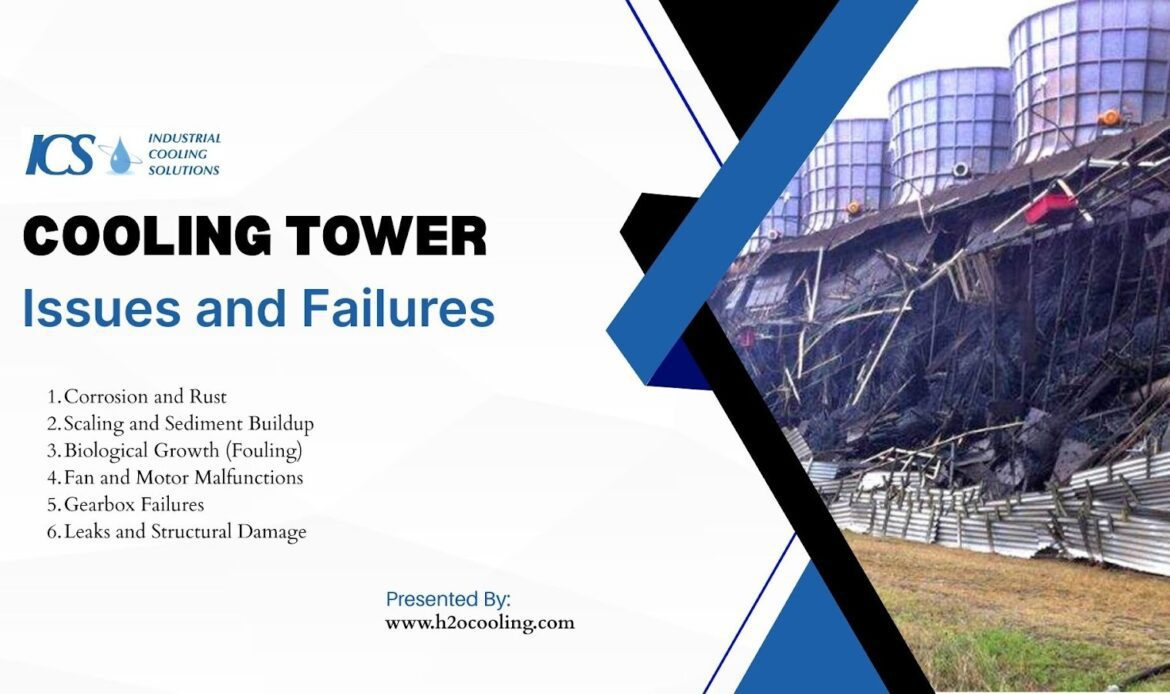
Even well-maintained towers experience issues over time. Recognizing the most common failure modes helps maintenance teams respond faster and more effectively. What problems show up most frequently in industrial cooling towers?
These are the issues that demand the most attention:
Corrosion and Rust.
Corrosion occurs when water chemistry is imbalanced, causing rust that weakens metal components like basins, fill supports, and fasteners. For example, low pH levels can accelerate the deterioration of galvanized steel parts.
Addressing corrosion early with protective coatings and proper water treatment prevents costly structural failures and extends the tower's lifespan.
Scaling and Sediment Buildup
Hard water minerals like calcium and magnesium can precipitate out of the water, forming hard scale deposits on fill media and heat exchange surfaces. This buildup insulates the surfaces, drastically reducing heat transfer efficiency and restricting water flow, which forces pumps to work harder.
Biological Growth (Fouling)
Warm water in cooling towers creates an ideal environment for algae, slime, and dangerous bacteria like Legionella. This biological fouling can clog nozzles, restrict airflow through the fill, and pose serious health risks.
Proactive and consistent biocide treatments are not just for efficiency—they are critical for compliance and ensuring a safe work environment.
Fan and Motor Malfunctions
Mechanical components are prone to wear and tear. Common issues include worn motor bearings causing excessive noise, imbalanced fan blades leading to severe vibrations, or electrical faults that trip the system.
For instance, a misaligned fan shaft can lead to premature motor failure. Regular inspections, vibration analysis, and lubrication can prevent unexpected shutdowns and maintain optimal airflow.
Gearbox Failures
The gearbox is a critical component for fan operation, and its failure can bring the entire tower offline. Problems often stem from insufficient or contaminated lubrication or misalignment between the motor and gearbox, leading to premature gear and bearing wear.
Implementing a routine oil analysis and alignment check program can prevent catastrophic failures and costly downtime.
Leaks and Structural Damage
Leaks can appear from cracks in the tower basin, failed seam sealants, or deteriorated structural supports. Even a small leak indicates a potential structural issue that could worsen over time, leading to significant water loss and safety hazards.
It is important to address leaks promptly, whether by patching a basin or reinforcing a support. This is crucial for maintaining the system's integrity and preventing larger, more expensive repairs.
Each of these issues, left unaddressed, escalates into a more expensive and disruptive problem. Early detection through consistent cooling tower maintenance and repair protocols is the most effective countermeasure.
Is Your Cooling Tower in Trouble? Here’s How to Tell
Cooling towers rarely fail without warning. The signals are usually present well before a full breakdown occurs. Knowing what to look and listen for can mean the difference between a minor repair and a major replacement.
Watch for these indicators:
Unusual noise or vibration:
Pay attention to any strange sounds or excessive vibrations during operation. These could indicate serious issues like fan imbalance, bearing wear, or gearbox failure. Regularly inspect the fan assembly and listen for unusual humming, rattling, or grinding noises.
Use a vibration analyzer if available to pinpoint the source of the problem. Investigate immediately to avoid costly breakdowns.
Reduced cooling efficiency:
Monitor the system's cooling performance closely. If you notice the water temperature isn't being maintained as it should or the cooling tower isn't meeting demand, check for fouling, scaling, or blocked airflow. Inspect the fill media, nozzles, and air intake for any buildup or blockages, and clean them regularly to optimize performance.
Increased energy bills:
Compare your current energy consumption to previous periods. If the cooling tower is consuming more energy to deliver the same output, inspect the system for inefficiencies.
Check the motor, fans, and pumps for wear and tear. Cleaning components like the fill and ensuring proper airflow can help improve energy efficiency.
Visible leaks or rust:
Perform a visual inspection of the cooling tower's structure, including the basin, pipes, and joints. Look for signs of water pooling, dripping, or corrosion. Rust or visible water loss are red flags that require immediate attention.
If you observe two or more of these signs simultaneously, do not delay. Prompt action limits damage and restores equipment reliability faster.
Preventive Maintenance vs Corrective Repairs
Both strategies serve a purpose, but they are not equal in cost or impact. Understanding how they differ and how they work together is fundamental to building a sustainable maintenance program.
Which approach delivers better long-term value?
- Preventive maintenance is scheduled, systematic, and cost-effective. It reduces downtime, extends component life, and keeps operating costs predictable. Think of it like a regular health check-up for your equipment, catching small issues before they become major problems.
- Corrective repairs are reactive, often urgent, and significantly more expensive. They address failures that have already disrupted operations or damaged components. This is the emergency room visit—necessary when things go wrong, but far more costly and disruptive.
- Combining both strategies creates a resilient maintenance framework that maximizes uptime, controls costs, and improves overall safety.
The optimal approach is not to choose one over the other. It is to use preventive measures to minimize the frequency and severity of corrective repairs. Organizations that invest in preventive maintenance consistently report lower total maintenance costs and higher asset availability.
Step-by-Step Maintenance and Repair Process
A structured process removes guesswork and ensures nothing gets missed. This is the sequence that experienced teams follow for comprehensive cooling tower maintenance and repair engagements.
Follow these steps for a complete maintenance cycle:
- Initial Inspection and Assessment
Start with a thorough visual and operational review to detect any visible damage, leaks, corrosion, or wear. This initial step ensures that any potential issues are identified early, minimizing the risk of long-term damage and costly repairs.
- Performance Evaluation
Measure temperature differentials, airflow rates, and water quality against design specifications. This step helps ensure the cooling tower is operating efficiently and meeting required performance standards.
- Vibration and Structural Analysis
Use advanced vibration analysis tools and structural assessments to pinpoint mechanical stress points. Early detection of stress areas can prevent unexpected equipment failures and extend the lifespan of the tower.
- Cleaning and Descaling
Remove scale, sediment, biological growth, and debris from basins, fills, and distribution systems. Regular cleaning improves thermal efficiency and prevents blockages that can reduce overall performance.
- Component Replacement
Replace worn or failed fans, motors, fill media, nozzles, and drift eliminators with OEM-approved parts to maintain system reliability and ensure compatibility with the equipment.
- Alignment, Balancing, and Calibration
Realign shafts, balance fan blades, and calibrate control systems for optimal performance. Proper alignment and calibration play a critical role in reducing wear and improving energy efficiency.
- System Testing and Documentation
Run the cooling tower under load and verify that all performance metrics meet the original specifications. Documenting this ensures transparency and provides benchmarks for future maintenance.
- Post-Maintenance Reporting
Prepare a detailed report outlining findings, actions taken, components replaced, and recommended next steps. This report serves as a valuable record for tracking system health and planning future maintenance.
Consistently following this process transforms maintenance from reactive problem-solving into proactive, strategic care. This ensures your cooling tower operates efficiently, reduces downtime, and extends its lifespan.
Must-Check Components to Keep Your Equipment Running Smoothly
Every component in a cooling tower has a role to play. When one part degrades, the effects cascade through the entire system. Which components demand the most attention?
These are the parts that require scheduled servicing:
- Fans and motors: Check the blades for damage or imbalance, and inspect the motor windings, bearings, and electrical connections.
- Gearboxes: Monitor oil levels and quality, and look for leaks or unusual temperatures.
- Drift eliminators: Inspect them for clogs or physical damage that could reduce water retention.
- Water pumps and valves: Look for wear, cavitation, seal deterioration, and any flow restrictions.
- Fill media and basins: Clean these regularly to prevent buildup and scaling, and replace any degraded fill sections.
- Structural supports: Examine the frames, casing panels, and fasteners for corrosion, cracks, or warping.
- Nozzles: Make sure they are clear of debris and distribute water evenly across the fill media.
- Makeup water system: Check the float valve or sensor to ensure it maintains proper water levels.
- Bleed valve: Verify it functions correctly to control the concentration of dissolved solids in the water.
Consistent component replacement of wear items—before they fail—is the most direct way to protect long-term operational continuity. Proactively replacing these components reduces downtime and prevents costly emergency repairs.
Must-Have Tools and Technologies for Efficient Maintenance
Modern maintenance is no longer limited to wrenches and visual inspections. Advanced tools now enable maintenance teams to detect problems earlier, respond faster, and document more thoroughly. What technologies are leading industrial cooling system servicing in 2026?
These tools are transforming maintenance programs:
- IoT sensors for predictive monitoring: Collect real-time data on temperature, vibration, flow, and pressure to enable smarter, condition-based maintenance decisions and reduce unexpected downtime.
- Automated water treatment systems: Ensure optimal water chemistry with continuous chemical dosing and real-time monitoring, eliminating the need for manual intervention and improving efficiency.
- Thermal imaging and vibration analysis tools: Use non-invasive diagnostics to detect hot spots, bearing wear, and airflow imbalances early, helping prevent costly equipment failures.
- Maintenance management software (CMMS): Centralize work orders, repair schedules, asset histories, and compliance records to streamline maintenance processes and enhance operational visibility.
- Mobile inspection apps: Empower technicians to record and submit inspection data in real time from the field, improving accuracy and speeding up maintenance workflows.
By adopting these technologies, you can gain a clear advantage in energy efficiency, faster response times, and better total cost management.
How to Choose the Right Maintenance Contractor
Selecting the right partner for cooling tower maintenance and repair is one of the most consequential decisions a facility manager can make. A capable contractor prevents failures. An incapable one misses them. What should you look for?
Evaluate contractors against these criteria:
- Certifications and experience: Seek professionals with proven expertise in industrial cooling systems and relevant industry certifications.
- Safety compliance: Confirm up-to-date safety training records, insurance coverage, and adherence to site safety protocols.
- Response time and service coverage: Ensure emergency response capability to minimize downtime during unexpected failures.
- Transparent pricing: Request detailed, itemized quotes for accurate budget planning and to avoid scope creep.
- Case studies and references: Look for documented results from similar projects to verify real-world capability and reliability.
If you are evaluating contractors for your facility, explore ICST's industrial cooling tower maintenance services and ICST's cooling tower repair solutions to understand what a comprehensive, expert-led program looks like in practice.
How to Maximize Your Cooling Tower's Lifespan
Great maintenance programs are built on consistency. The organizations that get the longest, most reliable service from their cooling towers follow a common set of practices. What habits make the biggest difference?
Apply these best practices to protect your investment:
- Schedule preventive inspections: Build fixed inspection intervals into your operational calendar and treat them as non-negotiable.
- Use OEM-approved components: Replacement parts that meet original design specifications perform better and last longer.
- Monitor water quality: Regular water testing and treatment prevent scaling, corrosion, and biological growth before they take hold.
- Keep detailed maintenance logs: Comprehensive records support warranty claims, compliance audits, and smarter repair decisions.
- Train staff on safe operation: Operators who understand correct procedures reduce accidental damage and identify emerging issues early.
- Perform regular cleaning: Schedule routine cleanings to remove debris, sludge, and biofilm, which can impair performance and accelerate wear.
- Optimize fan and motor performance: Regularly inspect and lubricate fan motors, check belt tension, and ensure blades are balanced to maintain optimal airflow and energy efficiency.
Each of these practices compounds over time. Combined, they represent the foundation of durable, cost-efficient cooling tower upkeep.
Final Thoughts
Cooling tower maintenance and repair is not a cost center—it is a risk management strategy with measurable financial returns. Proactive maintenance prevents costly failures that disrupt operations and damage bottom lines. Consistent equipment reliability comes from structured programs, not reactive responses.
Proactive cooling tower maintenance prevents costly failures. Regular servicing boosts energy efficiency and controls costs. Preventive and corrective strategies extend lifespan and improve reliability. Repair schedules and maintenance logs ensure compliance and smarter planning.
The cooling towers that deliver the longest, most reliable service life are not the newest ones. They are the best-maintained ones. Start with a comprehensive system inspection, build a consistent preventive maintenance schedule, and partner with a contractor who brings the expertise to execute it properly.
Ready to maximize your cooling tower's lifespan and reliability? Contact H2ocooling.com today for expert repair, maintenance, or to build a new tower.
Frequently Asked Questions (FAQs)
How often should cooling towers be serviced?
Most industrial cooling towers require a minimum of a comprehensive service twice per year—once before peak season and once after. High-utilization facilities or towers in demanding environments may require quarterly inspections.
What is included in cooling tower maintenance and repair?
A complete program covers inspection and assessment, cleaning and descaling, component replacement, lubrication, water treatment, structural review, alignment and balancing, performance testing, and documentation.
Can older towers be refurbished?
Yes. Many towers that appear to be at the end of their life can be restored to near-original performance through systematic refurbishment. A thorough structural and mechanical assessment will determine whether refurbishment delivers better value than full replacement.
What are common warning signs that a tower needs immediate attention?
Unusual mechanical noise, visible leaks, a sudden drop in cooling performance, elevated energy consumption, and visible corrosion or biological growth all warrant immediate professional assessment.