

Water serves as the lifeblood of any industrial cooling system. When impurities compromise this fluid, the entire operation suffers significant consequences. Poor cooling tower water quality leads directly to skyrocketing energy bills and frequent equipment failures. Facility managers often overlook this connection until critical components fail completely.
Scale buildup acts as an insulator on heat exchange surfaces. This forces compressors and pumps to work harder to achieve the same cooling result. Corrosion eats away at piping and structural elements. These issues result in costly downtime and expensive repairs.
This guide provides actionable steps to optimize water conditions. You will learn how to monitor key parameters and implement effective treatment strategies. Taking control of your water chemistry restores peak operational efficiency.
Understanding Cooling Tower Water and Its Role
How Water Drives Heat Transfer Efficiency
Cooling towers rely on the principle of evaporative cooling to reject heat from industrial processes. Water absorbs heat from the system and releases it into the atmosphere through evaporation. The efficiency of this exchange depends entirely on the purity of the water circulating through the tower.
Clean water allows for optimal contact between the air and the water surface. Contaminants interfere with this process. They create barriers that prevent efficient heat rejection. A system running with clean water transfers heat rapidly and consumes less energy.
Common Water Quality Challenges
What stands in the way of optimal performance? Industrial environments introduce several contaminants that threaten system integrity and demand attention.
- Hardness and scale formation. High levels of calcium and magnesium precipitate out of the water. These minerals form hard deposits on heat exchange surfaces.
- Biological growth. Warm and wet environments provide perfect breeding grounds for algae and bacteria. Biofilms create insulating layers that reduce heat transfer rates.
- Contaminants and suspended solids. Dust and debris enter the tower from the outside air. These particles clog nozzles and restrict water flow through the fill media.
Main Water Quality Parameters to Monitor
Effective management starts with accurate measurement. Operators must track specific chemical indicators to maintain system health.
Why Each Parameter Matters
Which metrics demand your constant attention? Monitoring specific chemical indicators helps operators predict and prevent system failures before they occur.
- pH levels. This measurement indicates the acidity or alkalinity of the water. Low pH causes corrosion, while high pH leads to scale formation.
- Total dissolved solids (TDS). High concentrations of dissolved minerals increase the likelihood of scaling. Operators use this metric to determine bleed-off rates.
- Calcium hardness. Calcium serves as the primary component of scale. Keeping this level within specific limits prevents hard deposits on heat exchangers.
- Conductivity. This parameter acts as a proxy for TDS levels. It allows automated systems to control bleed valves effectively.
- Microbial activity. Bacteria counts indicate the effectiveness of biocide treatments. Unchecked growth poses health risks like Legionella.
Failure to monitor these parameters leads to rapid system degradation. Scale deposits as thin as a sheet of paper increase energy consumption by over 10 percent. Corrosion reduces the lifespan of expensive chillers and piping networks.
Techniques to Improve Cooling Tower Water Quality
Maintaining superior cooling tower water quality requires a multifaceted approach. Facilities must employ a combination of chemical and physical treatments.
pH Adjustment
The ideal pH range for most cooling towers falls between 7.8 and 8.5. This balance minimizes both corrosion and scaling risks. Operators typically add acids like sulfuric acid to lower the pH or alkalis like sodium hydroxide to raise it.
Precise dosing maintains the water chemistry within the target zone. Automated controllers inject these chemicals based on real-time sensor readings. This prevents dangerous swings in acidity that damage metal components.
Scale Inhibitors
Scale inhibitors prevent minerals from crystallizing on surfaces. These chemicals keep calcium and magnesium suspended in the water.
- Phosphonates. These compounds prove highly effective at preventing calcium carbonate scale. They work well in different water conditions.
- Polymers. Synthetic polymers distort the crystal structure of scale. This prevents the particles from adhering to heat exchange surfaces.
- Organic inhibitors. Environmentally friendly options offer protection without utilizing heavy metals or phosphates.
Water Pretreatment Methods
Treating make-up water before it enters the tower reduces the chemical load required later. Several methods exist to remove impurities at the source.
- Sodium ion exchange. This method replaces calcium and magnesium ions with sodium ions. It effectively softens the water and eliminates hardness.
- Reverse osmosis. This technology forces water through a semi-permeable membrane. It removes nearly all dissolved solids and contaminants.
- Lime softening. Adding lime precipitates hardness minerals out of the water. Large facilities use this method for high-volume treatment.
Each method impacts efficiency differently. Reverse osmosis provides the purest water but requires significant energy. Ion exchange offers a cost-effective middle ground for many industrial applications.
Microbial Control
Biofilms insulate heat transfer surfaces more effectively than calcium scale. Preventing biological growth remains a top priority for efficiency.
- Use oxidizing biocides (e.g., chlorine or bromine) as the primary treatment to kill bacteria and algae on contact.
- Complement the process with non-oxidizing biocides to target organisms that may be resistant to oxidizing agents.
- Regularly monitor microbial counts to ensure the treatments are effectively maintaining low levels of microorganisms.
Maximize Efficiency: The Power of Cycles of Concentration
Optimizing cooling tower water quality involves managing cycles of concentration effectively. This metric represents the ratio of dissolved solids in the tower water to the dissolved solids in the make-up water.
- Water Reuse: Higher cycles allow the system to reuse water more frequently before it is discharged.
- Cost Efficiency: Increasing cycles lowers overall water consumption and reduces the need for treatment chemicals.
- Scaling Risks: Pushing cycles too high can increase the likelihood of mineral scale buildup.
- Finding the Balance: Operators typically target 3 to 5 cycles to maintain efficiency.
- Advanced Treatment: Modern programs enable systems to run at higher cycles safely, maximizing water savings while protecting equipment.
Real-World Benefits of Improving Water Quality
Investments in cooling tower water quality yield tangible financial returns. Facilities that prioritize water chemistry see immediate improvements in their bottom line.
Energy savings and reduced pump load
Clean heat transfer surfaces allow chillers to operate at peak efficiency. Pumps use less energy to circulate water through clean pipes and fill media.
Reduced maintenance costs
Preventing scale and corrosion eliminates the need for frequent acid cleanings. Maintenance teams spend less time repairing leaks and replacing clogged nozzles.
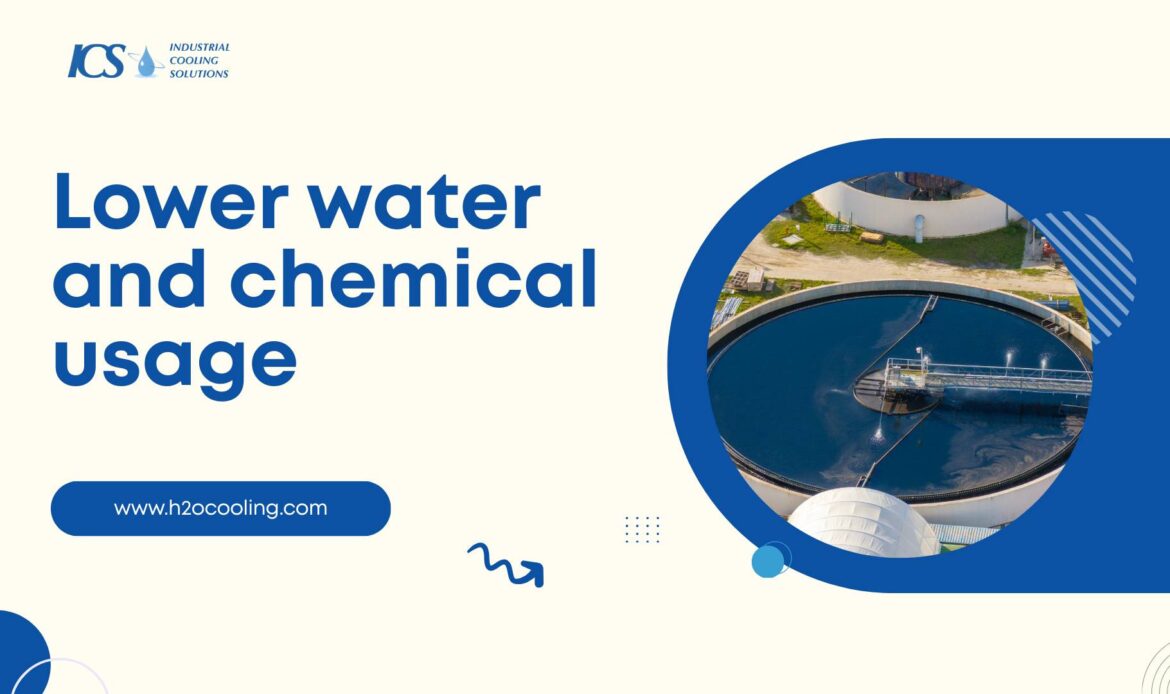
Lower water and chemical usage
Operating at higher cycles of concentration reduces fresh water intake. This also lowers the volume of chemicals required to treat the system.
Longer equipment lifespan
Corrosion eats away at capital assets. Protecting metal surfaces adds years to the life of cooling towers and associated equipment.
Monitoring & Maintenance Tips
Regular monitoring is key to preventing scale and corrosion, ensuring your water treatment program runs smoothly. Relying on intermittent testing can leave your system vulnerable. A proactive approach to maintenance guarantees consistent protection and optimal performance.
Here are some advanced monitoring and maintenance tips:
- Use automated sensors: Install high-precision sensors to monitor conductivity, pH, and dissolved oxygen in real time. These sensors can integrate with control systems to trigger alarms if parameters deviate from set thresholds.
- Establish a routine testing schedule: Conduct daily or weekly manual water tests for parameters like turbidity, alkalinity, and microbial activity, based on the complexity of your system.
- Adjust chemical feed rates: Use both manual test results and sensor data to fine-tune chemical feeds, ensuring optimal balance and avoiding chemical overuse.
- Implement predictive analytics: Use AI tools to predict when equipment might break or leak. By fixing small issues before they become big problems, you can avoid unexpected downtime and keep your system running smoothly.
- Perform regular system audits: Schedule comprehensive system inspections quarterly, including pipe inspections, pump efficiency checks, and calibration of all instruments..
Conclusion
Clean water drives the performance of your entire cooling system. Neglecting water chemistry results in wasted energy and damaged equipment. Implementing a robust treatment strategy protects your assets and lowers operational costs.
Prioritizing cooling tower water quality ensures your facility operates at its highest potential. Regular monitoring and precise chemical control prevent the formation of scale and biofilm. These efforts translate directly into measurable efficiency gains.
Do not let poor water quality drain your budget. Our experts provide comprehensive assessments to identify hidden inefficiencies. Contact us today to schedule your consultation. Let us help you achieve maximum cooling efficiency and reliability.
Frequently Asked Questions
What is the ideal cooling tower water quality?
The ideal quality varies by system, but generally requires a pH between 7.8 and 8.5. Hardness and alkalinity must stay balanced to prevent scaling. Biological counts should remain near zero.
How often should water parameters be tested?
Automated systems should monitor key metrics continuously. Manual tests for verification and biological activity should occur at least weekly.
Can water treatment improve energy efficiency?
Yes. Eliminating scale and biofilm restores heat transfer rates. This allows chillers and pumps to run efficiently and consume less power.
How does improving water quality reduce operational costs?
Better water quality lowers energy bills and reduces water consumption. It also minimizes expensive emergency repairs and extends equipment life.