

Industrial cooling towers are the workhorses of heat rejection, but even the best-designed systems lose efficiency over time. As components age and environmental factors take their toll, you might notice your system struggling to maintain the required cold water temperatures. This decline in performance is not just an operational annoyance; it directly impacts energy consumption, process efficiency, and your bottom line.
Fortunately, capacity loss is rarely permanent. Through targeted maintenance, strategic mechanical upgrades, and precise operational adjustments, you can restore your system's original performance. By focusing on methods for increasing cooling tower capacity, it’s possible to meet, and sometimes even exceed, the original design specifications.
This guide details practical steps to diagnose capacity issues and implement capacity enhancement techniques to get your system back on track. We will explore immediate fixes, long-term performance upgrade options, and optimization strategies that ensure your cooling tower operates at peak efficiency.
Understanding Cooling Tower Capacity
Before fixing a problem, you must define it. Cooling tower capacity refers to the amount of heat a tower can reject from the process water to the atmosphere under specific design conditions. Engineers typically measure this in terms of thermal performance, often expressed in tons of cooling or BTU per hour.
Several interconnected factors determine this capacity. The relationship between air mass flow, water mass flow, and the available surface area for heat transfer dictates how effectively the tower cools. If any of these variables shift, such as reduced airflow from a slipping fan belt or poor water distribution over the fill, the tower's overall capacity drops.
Common Causes of Capacity Reduction
Why do cooling towers lose their ability to reject heat effectively? Several culprits often work in tandem to degrade performance over time. Identifying the root cause is the first step toward recovery.
- Scale and mineral deposition: Hard water leaves behind calcium deposits that clog fill and reduce airflow.
- Drift and clogging of fill or nozzles: Suspended solids get trapped in the fill media, blocking water and air passages.
- Fan performance degradation: Wear on fan blades or motor issues reduces the volume of air moving through the tower.
- Poor water distribution: Clogged or broken nozzles create dry spots in the fill, wasting potential cooling surface area.
- Mechanical wear and tear: Gearboxes, drive shafts, and motors lose efficiency as they age.
- Environmental factors: Leaves, dust, and debris from the surroundings accumulate in the basin and air inlets.
- Instrumentation inaccuracies: Faulty sensors lead to incorrect operational data, masking true performance issues.
Diagnosing Capacity Loss
You cannot manage what you do not measure. Accurate diagnosis is essential, especially when it comes to increasing cooling tower capacity. This requires monitoring specific key performance indicators that signal a drop in efficiency.
Engineers and facility managers rely on precise data to pinpoint where the system is failing. Pay close attention to these critical metrics:
- Approach temperature changes: An increase in the difference between the cold water temperature and the wet-bulb temperature indicates reduced efficiency. Tracking this over time helps distinguish between seasonal weather shifts and actual mechanical decline.
- Reduced temperature difference (ΔT): A narrowing gap between hot water inlet and cold water outlet temperatures suggests poor heat transfer. This often signals that water is bypassing the fill or that the airflow is insufficient for the thermal load.
- Lower heat rejection capacity: The system fails to remove the expected BTU load for a given energy input.
- Higher outlet water temperature: The process water returns to the system warmer than design specifications allow.
Reliable tools are essential for this assessment. Use calibrated temperature sensors, flow meters, visual inspections of internal components, and vibration monitoring equipment to gather accurate baseline data.
Immediate Actions to Recover Capacity
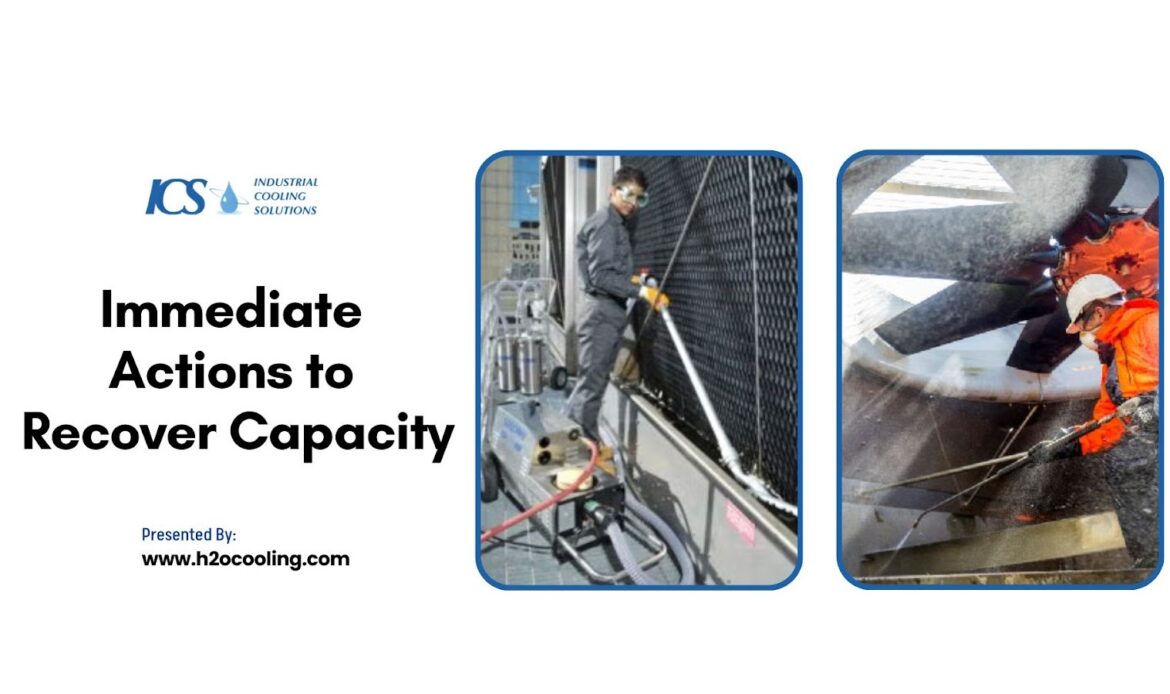
Once you confirm a loss in performance, you need to act quickly. Several maintenance procedures can provide immediate relief and restore a significant portion of lost capacity.
Cleaning Fill Media
The fill media is the heart of the tower’s heat transfer process. If it is fouled, efficiency plummets. Pressure washing can remove light fouling and loose debris, restoring airflow and water contact surfaces.
However, if the fill has heavy scaling or has become brittle with age, a full replacement is necessary to restore the tower's thermal performance.
Debris Removal
Air intake louvers and cold water basins act as vacuums for environmental debris. Leaves, plastic bags, and dirt restrict airflow and clog strainers. Regularly removing this debris prevents pump cavitation and ensures unobstructed air movement into the tower.
Nozzle Inspection & Cleaning
For maximum cooling, water must evenly cover the fill media. Clogged nozzles create dry channels where air passes through without cooling water, which significantly hurts the tower's performance.
Regular inspection and cleaning are vital for uniform distribution. By ensuring water evenly covers the fill, you prevent these dry spots, which is a crucial step for increasing cooling tower capacity.
- Visual Inspection: Regularly check nozzles for any visible blockages or uneven spray patterns.
- Cleaning: If clogs are found, remove the nozzles and clean them according to the manufacturer's guidelines to restore proper flow.
- Pressure Check: Ensure water pressure is at the recommended level to guarantee uniform distribution across the fill.
Fan and Airflow Check
Airflow drives evaporation. If your fan blades are dirty, their aerodynamic efficiency drops. Cleaning the blades, checking the blade pitch angle, and balancing the fan assembly can immediately increase air volume and improve heat rejection.
Performance Enhancement Techniques
Beyond cleaning, you can implement deeper strategies to sustain high performance. These capacity enhancement techniques address the root causes of degradation and prevent recurrence.
Water Treatment and Scale Control
Chemistry plays a massive role in thermal efficiency. An effective water treatment program prevents scale from forming on heat transfer surfaces. By keeping tubes and fill media clean, you maintain the original heat transfer coefficients and avoid the gradual decline associated with mineral buildup.
Side-Stream Filtration
Suspended solids are the enemy of clean fill media. A side-stream filtration system continuously cleans the circulating water, removing particles that could foul the system. This keeps heat exchangers efficient and basins cleaner for longer.
To implement side-stream filtration effectively:
- Continuously filter a small percentage of the circulating water (typically 1-5%).
- Remove silt and other suspended particles before they can settle in the basin.
- Prevent fouling of heat exchangers to maintain optimal performance.
Biofouling Control
Biofilms are excellent insulators, which is terrible for cooling. Applying biocides and monitoring biological activity prevent organic growth. Controlling biofouling ensures that the water remains in direct contact with the fill material rather than riding over a layer of slime.
Water Distribution Optimization
An imperfect distribution system can lead to uneven water flow, reducing the efficiency of your cooling tower. Rebalancing or upgrading spray nozzles helps ensure even water distribution and eliminates hot spots for optimal cooling performance.
Here's how to do it:
- Assess the current distribution system for uneven flow or clogging issues.
- Rebalance existing spray nozzles to achieve uniform water coverage.
- Upgrade to non-clogging nozzle designs for improved performance.
- Regularly inspect and maintain nozzles to prevent blockages.
Mechanical and Component Upgrades
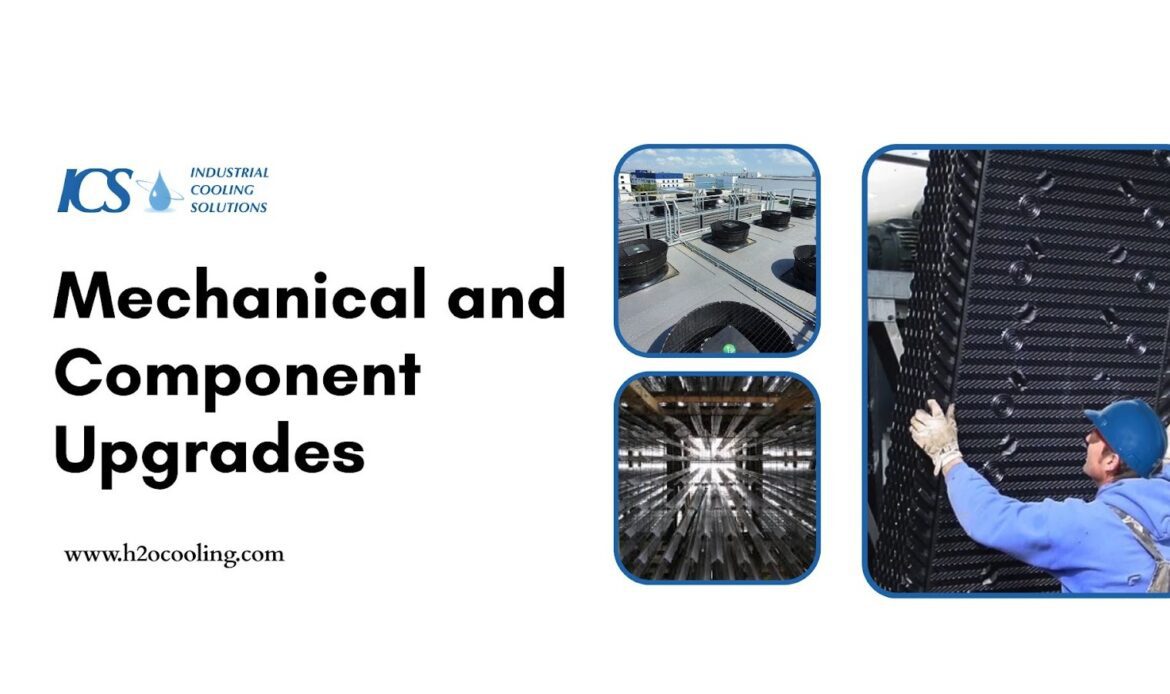
When maintenance limits are reached, hardware upgrades offer the next level of improvement. These performance upgrade options modernize the tower and boost its capabilities.
High-Efficiency Fan Retrofits
Fan technology has advanced significantly. Upgrading to modern, energy-efficient fan blades improves airflow while reducing energy consumption. Pairing these fans with Variable Frequency Drives (VFDs) allows precise control, matching airflow to the actual heat load.
Fill Media Replacement
Your old fill media might not be cutting it anymore. Upgrading to advanced fill media can significantly boost your tower's thermal capacity by improving heat transfer and increasing surface area.
Here's how it works:
- Better Thermal Transfer: Newer fill media designs have superior thermal transfer properties.
- Larger Surface Area: They offer a greater surface area per unit volume, maximizing contact between air and water.
- Improved Wetting: High-wetting fills ensure water spreads more evenly, which enhances evaporation and cooling.
Drift Eliminator and Air Inlet Enhancements
Modern drift eliminators and air inlet upgrades are essential for minimizing water loss and optimizing airflow. These enhancements ensure your system operates at peak efficiency by preventing environmental waste and improving air circulation.
Here is how these upgrades improve performance:
- Reduced Drift Loss: Modern eliminators trap escaping water droplets, preventing the loss of treated water and chemicals.
- Enhanced Airflow Dynamics: High-efficiency designs minimize pressure drop, allowing air to move more freely through the system.
- Eliminated Recirculation: Upgraded air inlets prevent warm, moist exhaust air from being drawn back into the tower, which directly boosts cooling capacity.
Control and Automation Strategies
Working smarter, not harder, applies to your HVAC system too. By implementing automation, your system can dynamically respond to changing conditions, providing a reliable method for increasing cooling tower capacity compared to simply running fans at full speed. This intelligent approach leads to more efficient and effective operation.
Variable Speed Fan Control
Operating fans at 100% speed continuously is inefficient and misses a key opportunity for optimization. Variable speed controls adjust fan speed based on the leaving water temperature, ensuring the tower delivers the exact cooling required.
By maintaining the most efficient operating points, these controls play a vital role in increasing cooling tower capacity while simultaneously saving energy and reducing wear on mechanical components.
Water Flow Automation
Process loads fluctuate throughout the day, making fixed flow rates inefficient. Automating water flow ensures your tower handles the precise volume required for the current heat load, preventing overflow and maximizing heat transfer.
To implement water flow automation effectively:
- Install automated control valves to adjust flow based on real-time demand.
- Use variable frequency drives (VFDs) on pumps to match water delivery to system requirements.
- Integrate sensors to monitor heat load and trigger automatic adjustments to flow distribution.
Output Optimization Strategies
By focusing on output optimization, you can work towards increasing cooling tower capacity. These strategies refine the heat transfer interface, ensuring the system remains agile and responsive to both peak loads and changing ambient weather conditions..
- Balancing water and air flows: Ensure the air-to-water ratio matches the design specifications.
- Minimizing heat losses: Insulate piping to prevent heat gain before the water reaches the process or after it leaves the tower.
- Seasonal or weather-based adjustments: Modify fan schedules and water flow based on ambient humidity and temperature.
- Operational best practices that sustain capacity: Train staff to recognize the signs of reduced performance immediately.
Cost vs Benefit: Choosing the Right Methods
Every improvement comes with a price tag. Facility managers must weigh the cost of intervention against the value of recovered capacity.
Cleaning and basic maintenance offer the fastest return on investment, often paying for themselves within months through energy savings. Mechanical upgrades like VFDs or new fill media require higher upfront capital but deliver substantial long-term value through extended equipment life and major efficiency gains.
Calculate the payback period by comparing the cost of the upgrade against the energy savings and the value of avoided downtime.
Conclusion
Reducing cooling tower capacity is a manageable challenge. By understanding the root causes and applying capacity enhancement techniques, you can restore your system to its original performance levels. Whether you choose immediate cleaning fixes or invest in long-term performance upgrade options, the goal remains the same: efficient, reliable heat rejection.
Don't wait for a system failure to take action. Start with a thorough diagnosis and implement the necessary recovery measures to increase cooling tower capacity. By maintaining your results with proactive care, you ensure a well-optimized system that saves energy, protects your processes, and secures your operational future.
For any cooling tower maintenance needs or to build a new one, visit h2ocooling.com to connect with our experts.
Frequently Asked Questions (FAQs)
What causes cooling tower capacity to decrease?
Several factors contribute to capacity loss, including scale buildup on fill media, clogged spray nozzles, biological fouling, and mechanical wear on fans and motors. These issues restrict airflow and water distribution, reducing heat transfer efficiency.
How can I measure current cooling tower capacity?
You measure capacity by analyzing the approach temperature (difference between cold water outlet and wet-bulb temperature), the range (difference between hot and cold water temperatures), and the water flow rate. Comparing these current values against original design specifications reveals capacity loss.
Can cleaning alone restore lost capacity?
Cleaning is highly effective for restoring capacity lost due to fouling, debris, or clogged nozzles. However, if the capacity loss results from mechanical wear, degraded fill media, or undersized components, cleaning will not be enough, and mechanical upgrades will be necessary.
Which upgrades deliver the fastest improvement?
Cleaning clogged distribution nozzles and balancing fan blades often provide the quickest performance boost. For mechanical upgrades, installing high-efficiency fan blades or VFDs typically delivers the most immediate impact on airflow and energy efficiency.
How often should capacity performance be audited?
You should conduct a basic performance check seasonally, particularly before and after the peak cooling months. A comprehensive thermal performance audit is recommended annually to track long-term trends and plan for necessary maintenance or upgrades.