

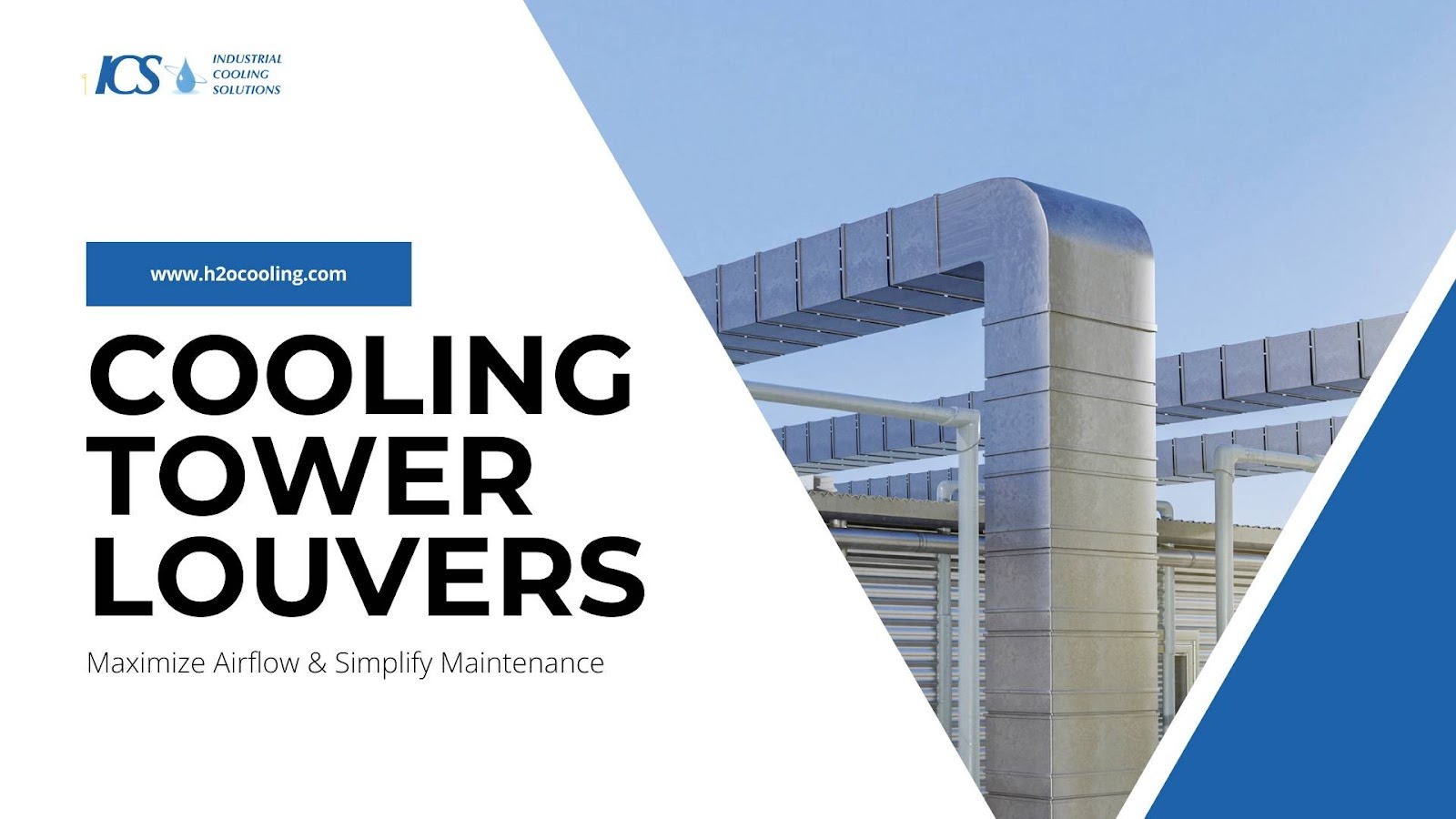
Are you struggling to maintain an efficient cooling tower system or seeing unexpected spikes in energy costs? The answer may lie in an often-overlooked component: cooling tower louvers. Far more than simple covers, these louvers are engineered to play a vital role in regulating airflow and protecting your system from debris and environmental damage.
Neglecting them can lead to increased wear, higher maintenance costs, and reduced cooling performance. In this guide, you will discover how clean, well-maintained cooling tower louvers not only maximize airflow but also safeguard against unnecessary restrictions that can cripple efficiency.
Read on to learn why treating louvers as precision hydraulic regulators rather than just aesthetic features will directly impact your plant’s long-term performance, compliance, and bottom line. We must shift our perspective to the "ICS Engineering Standard."
Anatomy of Airflow: How Louvers Impact the L/G Ratio
To understand the importance of properly designed louvers, we must examine the physics of the tower. The cooling tower operates on a specific Liquid-to-Gas (L/G) ratio. This ratio represents the balance between the water flow rate and the airflow rate.
Defining the Static Pressure Barrier
Scaled, warped, or dirty louvers act as a "choke point." This blockage increases static pressure at the inlet. Whether the tower uses natural or mechanical draft, this resistance disrupts the intended design. The fans cannot pull the required volume of air through the fill media.
The L/G Ratio Balance
When airflow drops due to intake restriction, the cooling capacity suffers. The pump must circulate water for longer periods to achieve the same heat rejection. This increases the system's energy consumption. Maintaining the correct air intake louvers ensures the fan and pump operate in harmony.
Cellular vs. Blade Hydraulics
Modern engineering favors cellular designs over legacy options. Old cooling tower models often utilize galvanized steel louvers or simple slats. These allow sunlight to enter, promoting algae growth.
Conversely, key features of modern polyvinyl chloride (PVC) cellular louvers include superior light blocking and improved aerodynamics. These materials distribute air uniformly, unlike the turbulent flow often caused by metallic slats.
The Louver Inspection Guide: Identifying Early-Stage Failure
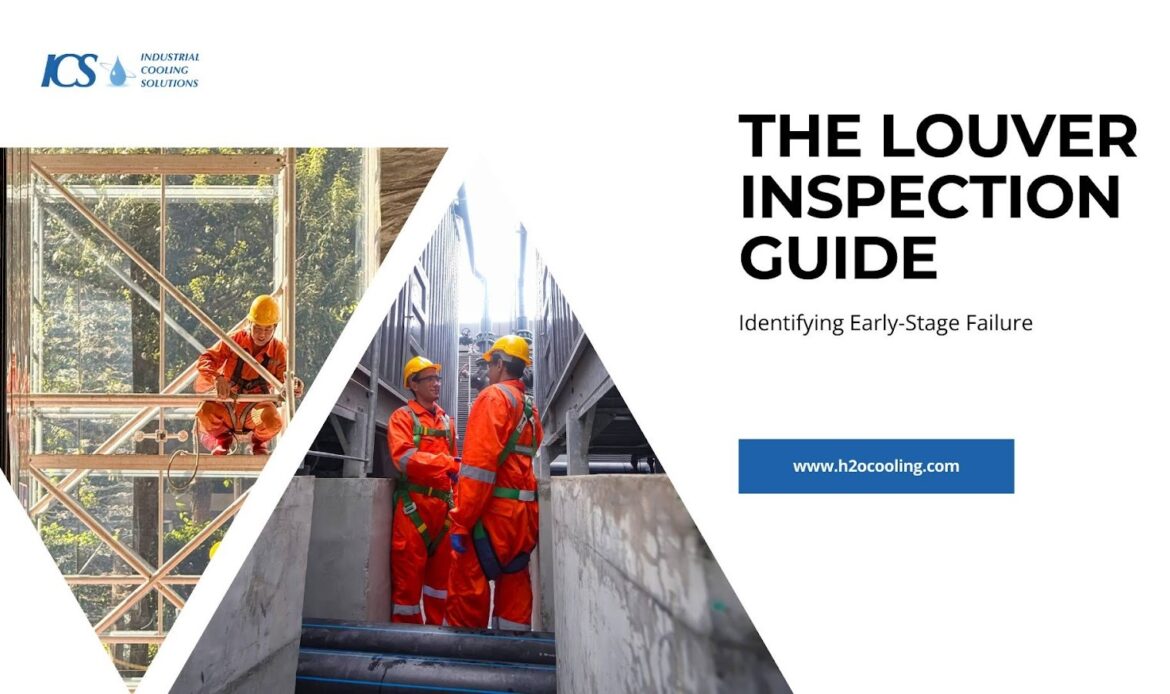
Early detection of failure points saves time and capital. Engineers should perform regular inspections to assess the health of the louver panel.
Visual Red Flags
- Brittleness: UV radiation degrades PVC over time. Check for brittleness before the panels fracture and fall into the basin. UV resistance is a critical specification for durability.
- The Algae Signal: Green biological growth indicates a failure in the louver's geometry. Good quality louvers block sunlight effectively. If algae is present, the functional design is likely compromised.
- Scaling Patterns: White mineral deposits act as a diagnostic tool. They indicate poor water treatment or excessive water splashing out.
Mechanical Alignment
Inspect for "Louver Sag." Over time, large materials or ice loads can warp the assembly. Sagging creates gaps that disrupt uniform air distribution. This uneven flow creates "dead zones" in the fill, reducing thermal transfer effectiveness.
Diagnostic Toolkit
Do not rely solely on visual checks. Use anemometers to measure velocity across the face of the intake. This identifies invisible airflow restrictions that the eye cannot see.
Professional Cleaning Methods: Protecting the Surface
Cleaning is essential, but improper techniques cause damage. The goal is to improve airflow without compromising the material integrity.
The "Glossy Surface" Rule
A smooth and glossy surface is the primary defense against fouling. This factory finish resists mineral attachment. Once this surface becomes etched or rough, scale attaches rapidly. Cleaning protocols must preserve this finish to ensure corrosion resistance and longevity.
Dry vs. Wet Cleaning Protocols
Follow a two-stage process for cleaning:
- Stage 1 (Dry): Use soft-bristle brushes to remove organic debris such as leaves and dust. Do not use stiff wire brushes that scratch the PVC.
- Stage 2 (Chemical): Apply non-abrasive, biodegradable detergents. These chemicals loosen scale without etching the plastic.
Pressure Washing Hazards
High-pressure washing is dangerous for cellular louvers. Excessive PSI can delaminate the honeycomb structure or damage the fill located behind the inlet. Always use low-pressure settings.
Louver Performance & Selection Matrix
Facility engineers can use this matrix to evaluate current louver health.
| Variable | Target Parameter | Measurement Method | Failure Risk |
| Airflow Velocity | $\pm 10%$ of Design | Anemometer Traverse | High Approach Temp |
| Static Pressure Drop | $< 0.10" \text{ WG}$ | Manometer / Pitot Tube | Fan Motor Overload |
| UV Opacity | 100% (No Algae) | Visual / Light Meter | Legionella Proliferation |
| Material Integrity | No Warping/Cracks | Visual Inspection | Splash-out / Water Loss |
| Opening Ratio | $> 75%$ Free Area | Geometric Calculation | Airflow Restriction |
Air Intake Optimization: Beyond Cleaning
Maintaining clean louvers is step one. Step two involves optimizing the environment and hardware.
Clearing the "Breathing Zone"
The tower needs space to breathe. Maintain a minimum 25-foot clearance around the air intake louvers. This prevents the recirculation of warm, moist discharge air back into the system. Obstructions like walls or new equipment reduce the quantity of fresh air available.
Retrofit ROI
There is a point where cleaning becomes too time-consuming and costly. Calculate the payback period for replacing worn galvanized or fiberglass panels with high-efficiency cellular PVC. Custom sizes are available to fit any unit. The return on investment usually comes from energy savings and reduced chemical costs due to less water splashing out.
Ice Management (Winter Operation)
In cold climates, ice loading is catastrophic. Implement strategies to prevent ice bridges on the intake. This might involve reversing fans or installing specialized louver heaters. Environmental conditions dictate the necessary precautions.
Common Mistakes in Louver Management
Even experienced teams make errors regarding tower louvers. Avoid these common pitfalls.
The "Paint-Over" Mistake
Do not paint louvers to improve aesthetics. Paint clogs the micro-paths of cellular louvers. It destroys airflow and dramatically reduces performance. If a louver looks bad, replace it.
Ignoring the Basin Seal
The interface between the louver and the collection basin must be tight. Gaps here lead to water leakage and chemical loss. Proper installation ensures a watertight seal at the bottom of the bank.
Delayed Replacement
Waiting too long to upgrade is a dangerous move. Brittle pieces of pvc can snap off and get sucked into the pump suction strainer. This blockage can starve the pump, leading to plant-wide shutdowns. This is a common issue in refinery and heavy industrial settings.
Conclusion: The Gateway to System Longevity
The air inlet is the "front door" of your cooling system. A neglected door leads to an inefficient house. Ignoring cooling tower louvers compromises the sustainability, safety, and efficiency of the entire operation.
At Industrial Cooling Solutions (ICS), we understand that towers require precision components. Our engineering team provides precision-fit louver replacements that restore original design aerodynamics. We offer corrosion-resistant, durable solutions tailored to your specific facility needs.
Is your tower gasping for air? Contact Industrial Cooling Solutions for a professional louver audit and airflow optimization plan today.
Frequently Asked Questions (FAQs)
What are cooling tower louvers, and why are they important?
Cooling tower louvers are panels that regulate airflow and prevent debris entry into the cooling tower. They are essential for maintaining proper air intake, improving tower efficiency, and reducing water splash-out.
How do I maintain air inlet louvers for optimal performance?
Regular maintenance includes cleaning debris, inspecting for UV damage, algae growth, and scale build-up, and ensuring proper alignment to maintain airflow and prevent system inefficiencies.
What materials are best for cooling tower louvers?
Polyvinyl chloride (PVC) is a preferred material due to its UV resistance, durability, and smooth surface, which prevents scale build-up and algae growth. Galvanized steel louvers are also used but may require more frequent maintenance.
How can I improve airflow in my cooling tower?
Ensure the louvers are clean, free of obstructions, and properly installed. Maintaining a 25-foot clearance around the air intake and upgrading to modern cellular PVC louvers can significantly enhance airflow.
When should I replace cooling tower louvers?
Replace louvers when they show signs of brittleness, warping, or excessive scaling. Delayed replacement can lead to reduced performance, higher energy costs, and potential damage to other system components.