

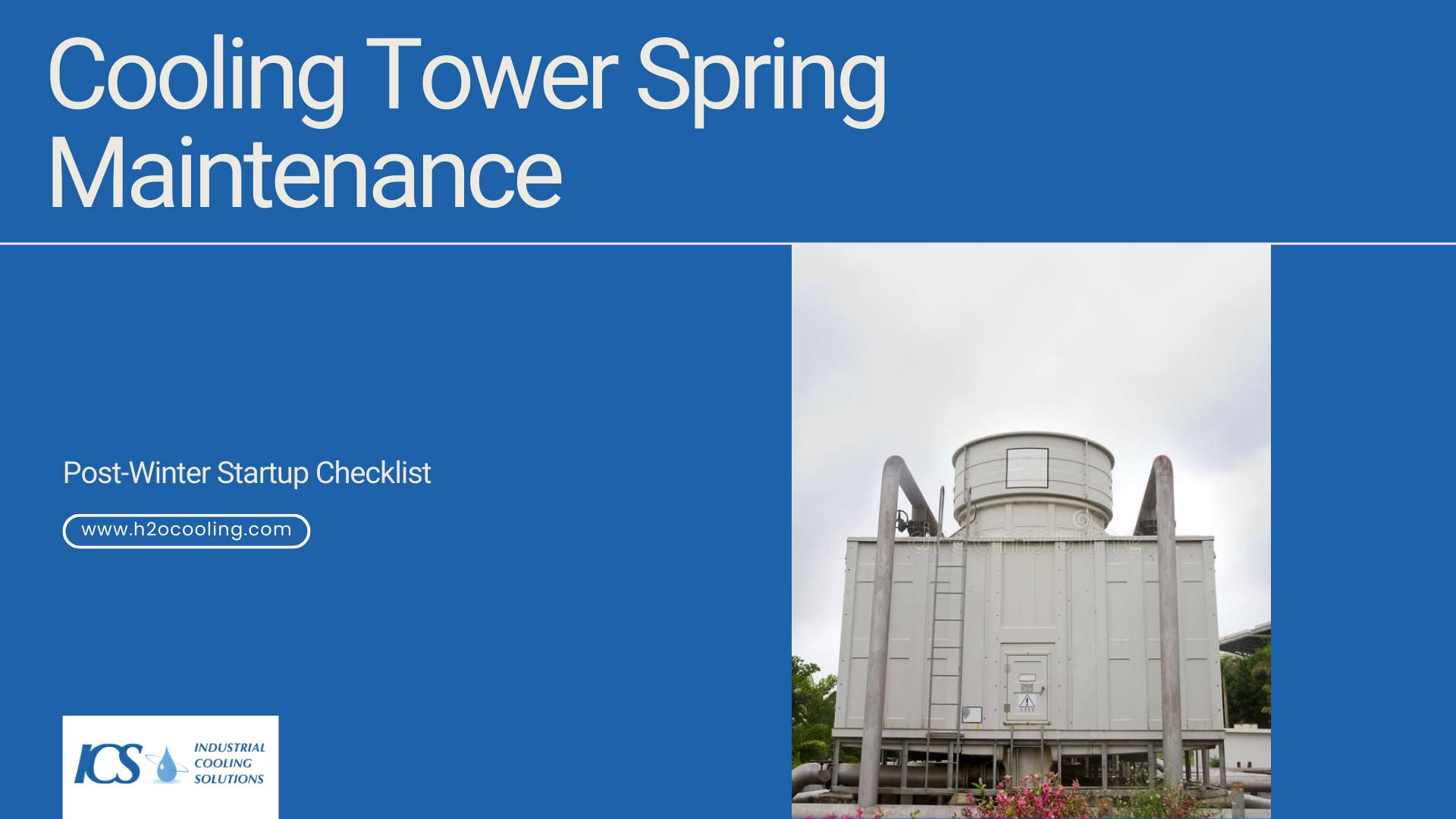
As winter comes to a close and temperatures begin to rise, it's time for industrial facility managers to make a crucial decision. The transition from cold weather to warmer days is not just a seasonal shift; it is the most critical window for securing the reliability of your cooling systems. While your equipment may have survived the harsh conditions of winter, it likely carries hidden stresses that will only manifest under the strain of summer heat.
Winter operations often inflict silent damage, ranging from mechanical fatigue to unseen material degradation. Neglecting this transition period leaves systems vulnerable to peak load failures precisely when they are needed most.
By implementing a comprehensive cooling tower spring maintenance strategy now, you mitigate these risks and ensure your facility operates efficiently through the demanding months ahead.
Why Spring Maintenance Is Critical for Cooling Tower Performance
The freeze-thaw cycles of winter can wreak havoc on industrial equipment, even if the damage is not immediately visible. Cold weather causes materials to contract and become brittle, while stagnant water creates ideal conditions for corrosion and scale.
Waiting until a system breakdown to address cooling tower health is a costly mistake. Here is why spring maintenance is critical and what happens if it's ignored:
- Financial Impact: Reactive repairs are significantly more expensive than preventive maintenance.
- Operational Downtime: Ignoring winter wear leads to emergency summer failures, resulting in facility downtime when you need cooling most.
- Risk Reduction: Spring maintenance ensures minor issues, like brittle materials or corrosion from winter, don't escalate into catastrophic failures.
Cooling Tower Spring Maintenance Checklist (Post-Winter Startup Guide)
A proper spring startup requires more than a quick visual glance. You need a structured, step-by-step inspection framework to identify specific failure points before they disrupt operations.
While your in-house team can perform many of these checks, some may require professional expertise to ensure compliance and safety. Following this checklist improves system efficiency, reliability, and overall lifespan.
1. Inspect and Clean the Cold Water Basin
The basin acts as the foundation for water quality in your system, but it frequently becomes a collection point for debris during the winter. Sediment, sludge, and biological matter settle at the bottom, creating a breeding ground for bacteria and corrosion.
Steps for inspection and cleaning:
- Drain the basin completely to expose the floor and sump area.
- Remove all solid debris, sludge, and sediment manually or with a vacuum.
- Check the basin floor and walls for freeze-related cracks or liner damage.
- Verify that the suction screens are intact and free of blockages.
- Flush the area thoroughly before refilling.
Why this matters:
| Issue | Consequence |
| Sediment Buildup | Reduces system volume and promotes bacterial growth (Legionella). |
| Liner Cracks | Leads to water loss and structural leaks. |
| Debris in Suction | Damages downstream pumps and clogs spray nozzles. |
2. Check Fill Media and Drift Eliminators
Fill media is the heart of heat dissipation, but it is highly susceptible to cold-weather damage. Ice formation can crush or warp the fill sheets, drastically reducing airflow and water distribution efficiency.
Steps for assessing fill and eliminators:
- Visually inspect the fill packs for signs of sagging, brittleness, or collapse.
- Look for scale buildup that restricts air and water passage.
- Check drift eliminators for gaps or damage that allow excessive water loss.
- Clean the surfaces gently to remove loose scale or biological fouling.
Maintenance insights:
- Minor Fouling: Can often be cleaned chemically or mechanically.
- Structural Damage: Requires immediate replacement to prevent efficiency loss.
- Gaping Eliminators: Must be repaired to prevent drift and water waste.
3. Inspect Fan System and Mechanical Components
The mechanical drive system endures significant stress during cold starts and winter operation. Small vibrations or misalignments that went unnoticed in January can tear a gearbox apart in July.
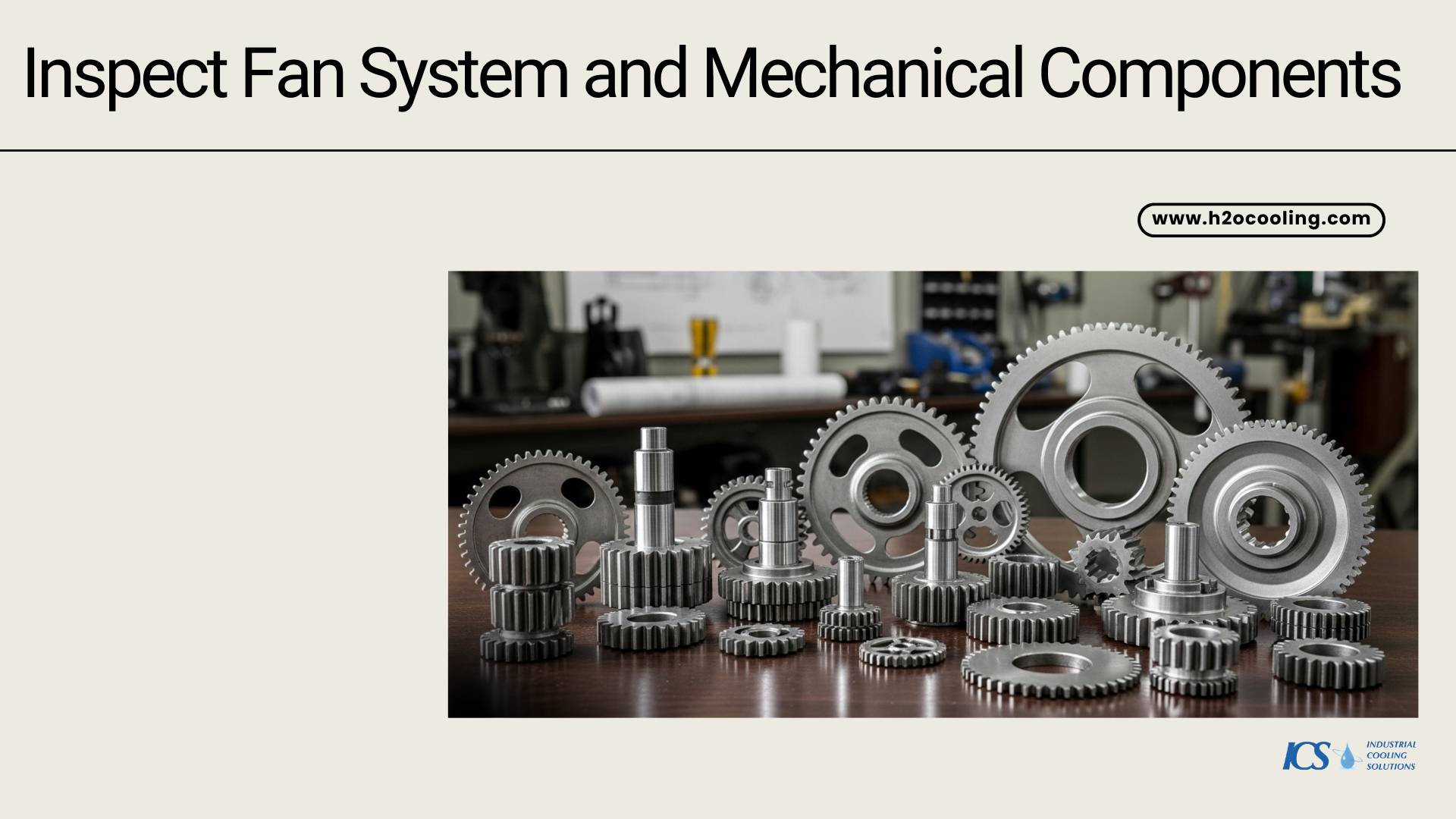
Steps for mechanical inspection:
- Rotate fan blades manually to check for clearance issues or bearing noise.
- Inspect blades for cracks, ice impact damage, or pitch irregularities.
- Check the gearbox oil level and look for signs of moisture contamination (milky appearance).
- Verify that all drive shafts and couplings are aligned and tight.
- Lubricate bearings according to the manufacturer's specifications.
Key mechanical checkpoints:
- Vibration Analysis: Perform this to detect early bearing wear.
- Oil Analysis: Reveals internal wear of gears before failure occurs.
- Belt Tension: Tighten or replace belts that have stretched during winter.
4. Clean and Inspect Spray Nozzles & Distribution System
Even the best fill media cannot work if the water distribution is uneven. During winter, scale can flake off piping and lodge in the spray nozzles, creating dry spots in the tower.
Steps for nozzle maintenance:
- Remove and inspect nozzles for cracks, clogs, or missing grommets.
- Clean clogged orifices to restore the correct spray pattern.
- Run pumps briefly (with fans off) to visually verify even water distribution over the fill.
- Check the distribution header piping for corrosion or freeze damage.
Impact on performance:
| Condition | Result |
| Clogged Nozzle | Creates "dry spots" on fill, reducing cooling capacity. |
| Broken Nozzle | Floods specific areas, causing bypass and poor heat transfer. |
| Uneven Spray | Increases fan energy consumption to compensate for poor cooling. |
5. Examine Structural Components and Tower Casing
Structural integrity is often overlooked until panels start rattling or supports give way. Moisture trapped in crevices during winter freeze cycles can expand, loosening fasteners and accelerating corrosion on metal components.
Steps for structural review:
- Walk around the unit and tighten all visible nuts and bolts.
- Inspect louvers and access doors for proper operation and seal integrity.
- Check steel supports for rust and treat affected areas immediately.
- Ensure that safety rails and ladders are secure for maintenance personnel.
Why structure matters:
- Airflow Leaks: Loose casing allows air to bypass the fill, lowering efficiency.
- Safety Hazards: Corroded supports risk collapse or injury to workers.
- Vibration: Loose fasteners amplify mechanical vibration, leading to further damage.
6. Review Water Quality and Restart Treatment Program
When water systems sit idle or operate under low load, water chemistry changes significantly. Stagnant water promotes biological growth, such as bacteria and algae, and allows dissolved solids to form scale, which can damage equipment over time.
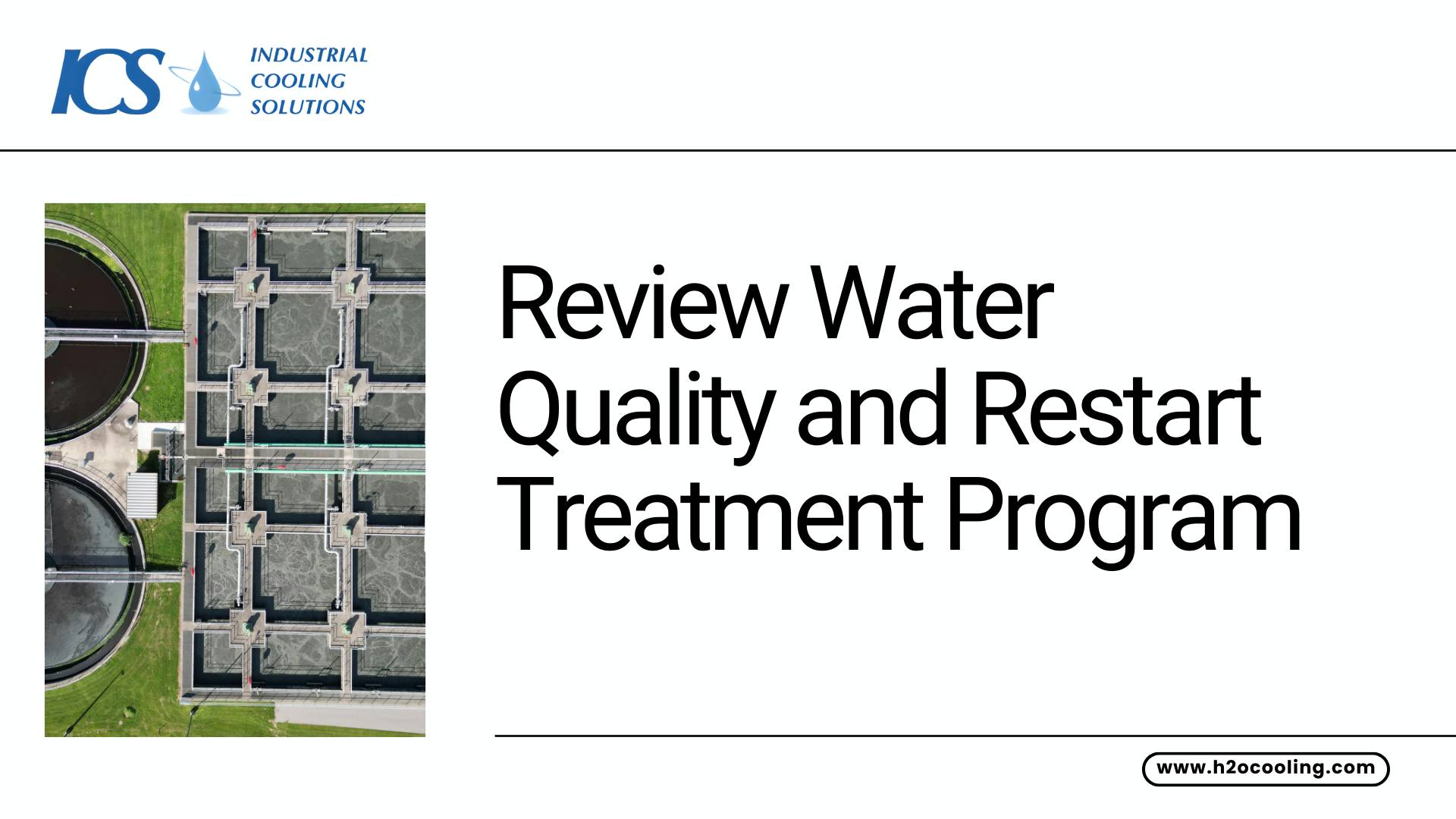
To prevent these issues, regular system monitoring, proper flushing, and water treatment are essential to maintain efficiency and avoid costly repairs.
Steps for water treatment restart:
- Test the makeup water and basin water for pH, conductivity, and biological count.
- Shock treat the system with biocides to eliminate accumulated biological growth.
- Re-calibrate conductivity controllers and chemical feed pumps.
- Verify that bleed-off valves are functioning to control cycles of concentration.
Water quality parameters:
- pH Balance: Prevents acidic corrosion or alkaline scaling.
- Biocide Levels: Crucial for preventing Legionella outbreaks.
- Conductivity: Controls the amount of dissolved solids to prevent fouling.
- Total Dissolved Solids (TDS): Maintains water quality to prevent scaling and fouling.
- Hardness Levels: Ensures calcium and magnesium levels are controlled to avoid scaling.
- Chloride Levels: Monitored to prevent corrosion in metallic components.
- Alkalinity: Helps manage scaling risks and pH stability.
- Turbidity: Keeps water clarity in check, reducing the risk of deposits.
- Silica Concentration: Prevents silica scaling, especially in high-temperature systems.
Common Spring Cooling Tower Problems (And How to Prevent Them)
Identifying early warning signs is the most effective way to prevent costly downtime. Here are the most frequent issues facility managers encounter during spring startup and how to address them proactively.
- Reduced Cooling Capacity: This is typically caused by dirty fill media or clogged nozzles restricting heat transfer. Prevent this by ensuring thorough cleaning of distribution systems and fill packs during your startup.
- High Motor Amps: This often results from fan blade imbalance or debris buildup on the fan assembly. Prevent this by checking blade pitch and cleaning fan surfaces before bringing the motor to full speed.
- Excessive Vibration: This usually indicates mechanical wear in bearings, shafts, or gearboxes. Prevent this by performing vibration analysis and checking alignment during your mechanical inspection.
- Early Summer Shutdowns: These occur when minor issues are ignored during the spring startup. Prevent this by strictly adhering to a comprehensive cooling tower spring maintenance checklist rather than rushing the process.
The Cost of Skipping Cooling Tower Spring Maintenance
Viewing maintenance as an optional expense is a financial miscalculation. The cost of skipping a spring inspection is almost always higher than the cost of performing it. When a tower operates with fouled fill or slipping belts, energy consumption spikes as fans and pumps work harder to achieve the same cooling effect.
- Unplanned downtime during peak demand can disrupt production schedules and lead to catastrophic losses.
- Neglecting maintenance shortens equipment lifespan—what should last decades may require costly replacements in just a few years.
- Major capital replacements can drain your budget far sooner than expected.
- Skipping spring maintenance puts your operational continuity and financial stability at serious risk.
When to Schedule Professional Cooling Tower Maintenance
While in-house facilities teams handle daily checks and basic cleaning, certain tasks require specialized knowledge and equipment. Recognizing the boundary between general upkeep and professional intervention is key to long-term reliability.
You should schedule professional service when:
- Mechanical Issues Arise: Gearbox rebuilds, shaft alignment, and vibration analysis require precision tools.
- Structural Damage is Found: Repairing fiberglass, galvanized steel, or concrete basins often needs specific materials and techniques.
- Performance Optimization is Needed: If the tower is not meeting thermal design conditions, a thermal audit by an expert can identify the root cause.
- Complex Water Treatment: Severe scaling or biological contamination requires specialized chemical protocols.
The ideal timing for this service is early spring, before sustained warm temperatures arrive. This ensures your system is evaluated, repaired, and tuned well before it faces the stress of summer loads.
Conclusion
The transition from winter to spring is a critical window to secure your facility's cooling capabilities. By addressing mechanical wear, cleaning vital components, and stabilizing water chemistry now, you ensure maximum efficiency and reliability before the summer heat hits.
Proactive maintenance does more than prevent breakdowns; it protects your personnel through safe operation and safeguards your bottom line through optimized performance.
Don't wait for a high-temperature alarm to signal a system failure. The proactive steps you take today will determine the success of your summer operations. Stay ahead of the heat by scheduling your inspections and professional audits now.
Ensure your system is ready for the heat. Contact Industrial Cooling Solutions to schedule your comprehensive cooling tower maintenance.
Frequently Asked Question
What does cooling tower spring maintenance include?
Spring maintenance involves a comprehensive inspection of mechanical components (fans, motors, gearboxes), cleaning of the basin and fill media, checking spray nozzles for clogs, verifying structural integrity, and re-establishing the water treatment program to prevent scale and biological growth.
How often should a cooling tower be inspected after winter?
A full, detailed inspection should occur immediately before the start of the cooling season or when the load begins to increase in spring. Following this initial deep dive, routine inspections should continue on a weekly or monthly basis throughout the operating season.
Can winter damage reduce summer cooling efficiency?
Yes. Freeze damage to fill media, cracked distribution piping, or warped drift eliminators directly impacts airflow and water distribution. These issues reduce the tower's ability to reject heat, causing higher energy usage and reduced cooling capacity during summer.
When should professional cooling tower service be scheduled?
Professional service is best scheduled in early spring, before ambient temperatures rise consistently. This timing allows for any necessary repairs or parts replacement to be completed without interrupting critical cooling operations during peak demand months.