

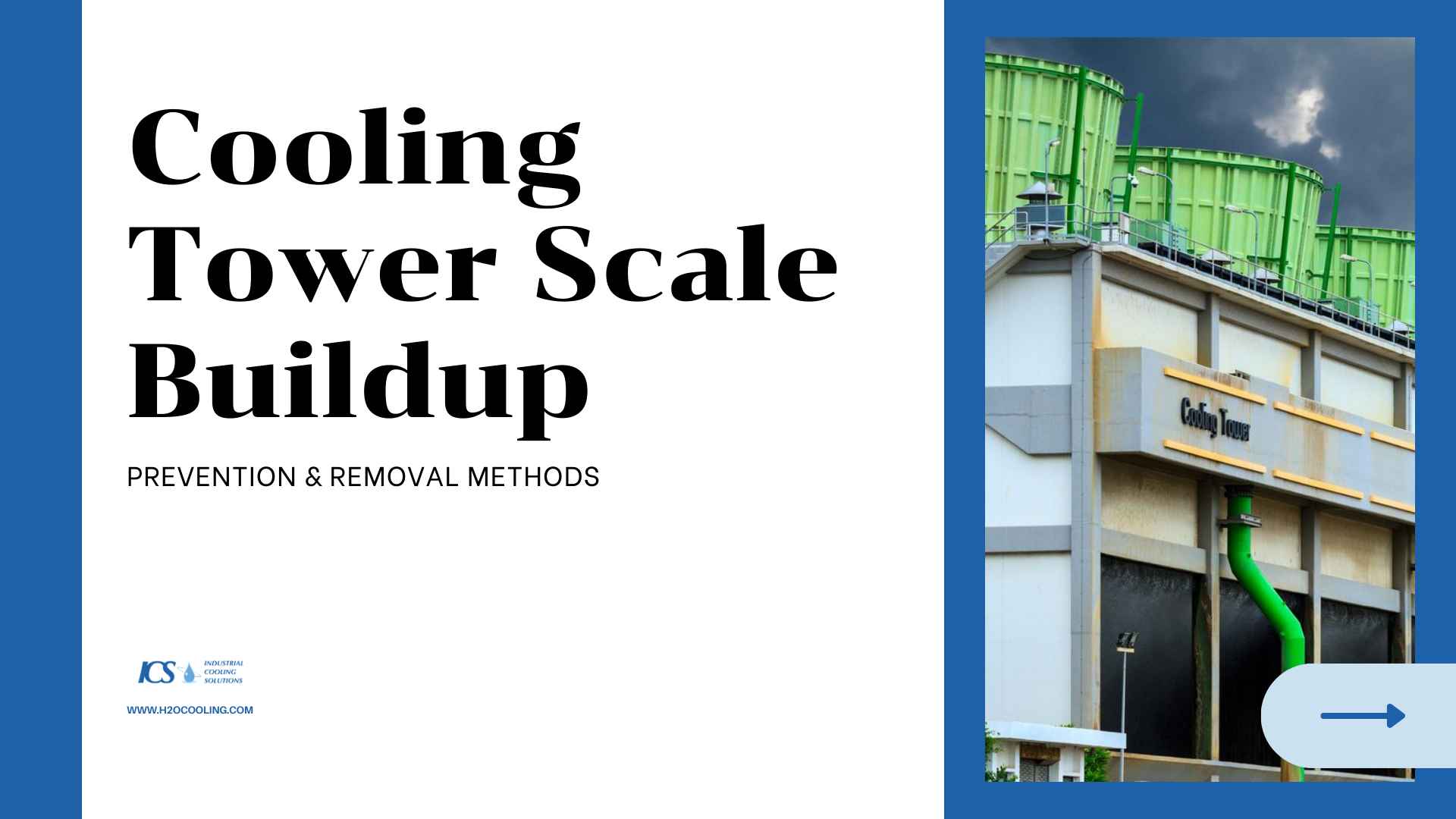
Industrial cooling systems represent the heart of many manufacturing and HVAC operations, but they face a persistent, invisible enemy. Cooling tower scale buildup is a pervasive issue that silently erodes efficiency, drives up energy costs, and shortens the lifespan of expensive capital equipment.
When heat transfer surfaces become coated with mineral deposits, the system must work significantly harder to achieve the same cooling results.
Facility managers often do not realize the severity of the problem until alarms sound or energy bills spike unexpectedly. Understanding the science behind these deposits and implementing robust prevention strategies is essential for operational stability.
This guide will explore the causes of scaling, how to detect it, and the steps you can take to keep your cooling systems running smoothly.
What Is Cooling Tower Scale Buildup?
Cooling tower scale buildup refers to the accumulation of hard, rock-like mineral deposits on heat transfer surfaces, fill, and piping. Unlike soft sludge or biological slime, scale forms a rigid crystalline structure that creates a significant barrier to heat exchange.
- Mineral Composition: Scale formations are primarily made of calcium carbonate and other minerals from the makeup water. When water evaporates, these dissolved solids become more concentrated, eventually falling out of the solution and sticking to hot surfaces.
- Scale vs. Corrosion: It's important to distinguish scale from other cooling tower problems. Corrosion is the breakdown of metal surfaces, while scaling is the buildup of deposits on them.
- Scale vs. Biofilm: Biofilm is a slimy organic growth of bacteria, whereas scale is hard and rough to the touch.
Why Scaling Happens | The Science Behind It
Water serves as an excellent solvent, but its ability to hold minerals in solution changes drastically under the dynamic conditions of a cooling tower. Several chemical and physical factors conspire to force minerals out of the water and onto your equipment.
Why does water that looks clear suddenly deposit hard solids on your machinery? The following factors drive the chemical reactions that lead to scaling:
- Inverse Solubility: Unlike sugar or salt, which dissolve better in hot water, calcium carbonate becomes less soluble as the temperature rises, causing it to precipitate directly onto the hottest surfaces in the system.
- Evaporation: As the tower evaporates pure water to reject heat, the remaining dissolved minerals concentrate in the recirculating water, rapidly pushing saturation levels past the breaking point.
- pH Fluctuations: Higher pH levels (alkalinity) dramatically reduce the solubility of calcium, making calcium carbonate deposits far more likely to form.
- Other Mineral Presence: While calcium is the primary culprit, the presence of silica, magnesium, and phosphate can create complex scales that are even harder to remove.
Signs and Consequences of Scale Buildup
Recognizing the symptoms of scaling early can save an operation thousands of dollars in wasted energy and emergency repairs. Unfortunately, because scale often forms inside heat exchangers where it is not immediately visible, operators must look for secondary performance indicators.
How does a facility manager know when their system is compromised? Monitor your system closely for these detrimental performance shifts:
- Reduced heat transfer efficiency: The insulating properties of scale prevent heat from moving from the process fluid to the cooling water, causing process temperatures to rise.
- Higher operating temperatures: The chiller or heat exchanger must run at higher pressures and temperatures to compensate for the poor heat transfer.
- Increased energy consumption: Compressors and pumps draw significantly more electricity to achieve the same cooling load, directly impacting the bottom line.
How to Detect Scaling Early
Waiting for a system failure is not a viable maintenance strategy. Proactive detection allows operators to intervene before the scale hardens into a layer that requires aggressive acid cleaning.
What tools and observations yield the most accurate data regarding the internal state of your equipment? Utilize these inspection methods to catch cooling tower scale buildup before it becomes critical:
- Visual inspection: Look for white, gray, or tan crusty deposits on the tower fill, nozzles, and accessible basin areas.
- Monitoring differential temperature: Track the temperature difference (delta T) across heat exchangers; a narrowing gap often indicates that heat transfer is failing due to scale.
- Water chemistry tests: Perform daily testing for hardness, conductivity, and pH to ensure parameters remain within the solubility limits of your specific water source.
Prevention Strategies (Scale Control Programs)
The most cost-effective way to manage scaling is to prevent it from forming in the first place. A robust prevention strategy combines mechanical adjustments with precise chemical treatment to keep minerals dissolved in the water.
Water Quality Management
The quality of the water entering the system dictates the severity of the scaling challenge.
- Softening feed water: Removing calcium and magnesium ions before they enter the tower eliminates the primary building blocks of scale.
- Controlling makeup water mineral content: Analyzing the source water ensures that operators anticipate seasonal changes in mineral loads.
- Blending low-hardness sources: Mixing high-hardness well water with lower-hardness municipal water can reduce the overall scaling potential.
pH Control and Chemical Balance
Acidity levels play a massive role in whether minerals stay dissolved in the water or precipitate out to form scale. Careful management of the water's pH can keep scaling minerals in solution, even at higher concentrations.
- Keeping pH in the target range: Injecting acid (typically sulfuric) lowers the pH, which significantly increases the solubility of calcium carbonate. This is the most common method for preventing calcium carbonate scale.
- Reducing scaling tendencies: Maintaining a slightly lower alkalinity prevents the chemical reactions that create the most common forms of scale.
- Monitoring and automation: Utilizing automated pH controllers and chemical feed pumps ensures precise and consistent pH levels, preventing under- or over-dosing of acid, which can cause corrosion or scaling.
- Balancing pH with corrosion control: While lower pH helps prevent scale, it can increase corrosion risk. A carefully balanced approach is needed, sometimes combining pH adjustment with corrosion inhibitors to protect system metallurgy.
Use of Scale Inhibitors
Chemical additives act as a safety net, allowing systems to run higher mineral concentrations without precipitation.
Types of inhibitors:
Modern scale inhibitor programs utilize phosphonates, polymers, and polycarboxylates to interfere with crystal formation. Advanced combinations of these chemicals can be customized to suit specific water chemistries.
How They Work:
These chemicals use threshold inhibition to stop crystals from growing or dispersion to keep particles suspended so they do not settle on surfaces. This dual action ensures long-term protection and minimizes system downtime caused by scaling.
Dosing Basics and Monitoring:
Precise automated dosing pumps ensure that chemical levels remain constant despite fluctuating water loads. Regular performance monitoring and water analysis further optimize inhibitor effectiveness.
Optimal Cycles of Concentration
Maximizing operational efficiency requires a precise balance between conserving water and managing mineral saturation levels. By optimizing these cycles, facilities can significantly reduce utility costs while preventing the irreversible damage and efficiency losses associated with mineral buildup.
- Why higher cycles increase scale risk: Increasing cycles of concentration conserves water but drastically raises the density of dissolved minerals, pushing them past their solubility limit and onto equipment surfaces.
- Finding balance between efficiency and scale control: Operators must use real-time water chemistry data and inhibitor performance metrics to calculate the ideal threshold where water savings are maximized without triggering scale formation.
Removal of Existing Scale (Descaling Procedures)
When prevention fails or systems are neglected, physical removal of the deposits becomes necessary. This process requires caution, as the methods used to remove scale can also damage the underlying metal if performed incorrectly.
Mechanical Cleaning
For accessible areas, physical force provides a chemical-free way to remove bulk deposits.
- Scraping and brushing: Technicians manually remove thick crusts from tower basins and fill using wire brushes and scrapers.
- High-pressure water blasting: Hydro-blasting effectively strips loose scale from fill media and structural components without using harsh solvents.
- Pneumatic tube cleaners: Specialized rotating tools are driven through heat exchanger tubes to mechanically vibrate and displace hardened mineral buildup.
- Abrasive bead blasting: Using low-pressure air to propel mild abrasives can clean delicate surfaces where scraping might cause surface pitting or gouging.
Chemical Descaling
Circulating acidic solutions is often the only way to clean the internal surfaces of heat exchangers and piping.
- Acid washes: Inhibited acids, such as citric or hydrochloric formulations, dissolve calcium carbonate deposits and other mineral layers.
- Chelating agents: Solutions like EDTA can be used for less aggressive descaling, binding to metal ions to remove scale without the high corrosivity of strong acids.
- Passivation treatments: Applying a chemical coating after descaling restores the protective oxide layer on metal surfaces, preventing immediate flash rusting.
- Safe application and PPE requirements: Workers must wear full protective gear, and the area requires proper ventilation due to the fumes generated during the reaction.
Common Myths & Misconceptions About Scaling
Misinformation often leads facility managers to make poor decisions regarding water treatment. Correcting these misunderstandings is vital for protecting equipment.
Are you falling for these common industry falsehoods?
- “Soft water eliminates scaling”: While soft water reduces calcium scaling, it becomes highly corrosive to metal, creating a different but equally expensive set of problems.
- “Chemical inhibitors damage equipment”: When applied correctly, modern inhibitors protect equipment; damage usually results from improper acid cleaning, not maintenance chemicals.
- “Scaling only occurs in old towers. When applied,”, New towers can scale up in a matter of weeks if the water chemistry is managed poorly.
Conclusion
Understanding the dynamics of cooling tower scale buildup is the first step toward a more efficient and profitable operation. Scale is not an inevitable consequence of cooling water systems; it is a manageable issue that responds to science-based prevention strategies. By combining rigorous monitoring with effective chemical treatment, facilities can virtually eliminate the risk of hard mineral deposits.
Do not wait for high head pressure or soaring energy bills to signal a problem. Adopt a proactive stance that prioritizes water quality management and routine maintenance.
Investing in mineral deposit removal when necessary, and maintaining strict control over water chemistry, ensures your cooling infrastructure supports your business rather than draining its resources.
For expert cooling tower maintenance, cleaning, or specialized services, partner with Industrial Cooling Solutions. Contact us today to optimize your system’s performance and longevity.
Frequently Asked Questions (FAQs)
What is cooling tower scale buildup?
Cooling tower scale buildup is the accumulation of hard mineral deposits, primarily calcium carbonate, on heat transfer surfaces. It acts as an insulator, reducing cooling efficiency and restricting water flow.
What causes calcium carbonate scale in cooling towers?
Scale forms when dissolved calcium and carbonate ions in the water exceed their solubility limits due to evaporation, high temperatures, or high pH. This causes the minerals to precipitate out of the water and crystallize on surfaces.
How do you prevent scale in cooling tower water?
Prevention involves managing cycles of concentration, controlling pH levels, and using chemical scale inhibitors. Consistent monitoring of water chemistry is essential to ensure these measures remain effective.
Can the scale be removed once formed?
Yes, scale allows for removal through descaling procedures. This typically involves either mechanical cleaning (brushing/blasting) or chemical cleaning (acid wash) to dissolve the mineral deposits.
What chemicals are used to control scale in cooling towers?
Operators typically use phosphonates, polymers, and polycarboxylates as scale inhibitors. In some cases, sulfuric acid is also used to lower pH and increase the solubility of minerals.