

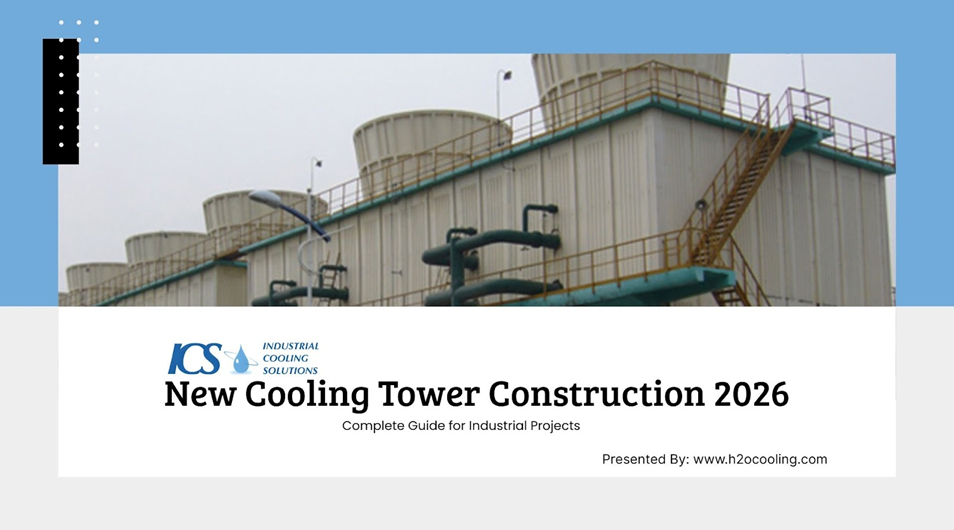
Industrial facilities across the globe are facing a defining moment. Energy demands are rising, environmental regulations are tightening, and aging infrastructure can no longer keep pace with modern operational needs. For plant engineers, facility managers, and project developers, new cooling tower construction is not just a capital investment — it is a strategic decision that shapes operational efficiency for decades.
The industrial cooling tower design landscape has changed significantly in recent years. What was acceptable practice in 2010 is now considered outdated. Modern towers must meet stricter energy benchmarks, integrate smart monitoring systems, and comply with evolving environmental standards. Understanding the full scope of a new build — from site selection to commissioning — is essential before breaking ground.
This guide covers everything decision-makers need to know about new cooling tower construction in 2026. You will learn how to plan, design, budget, and execute a project that delivers long-term performance.
Understanding New Cooling Tower Construction
New cooling tower construction refers to the complete design and build of a cooling tower system from the ground up. It is distinct from repair, retrofitting, or upgrading an existing structure. A new build gives engineers full control over design specifications, material choices, and technology integration.
So, what exactly goes into a new tower? What separates a modern installation from one built 15 years ago?
- Purpose of construction vs. repair or upgrade: New construction addresses fundamental capacity or performance gaps that retrofitting cannot solve. It is the preferred route when an existing tower has reached the end of its service life or when demand has outgrown its capacity.
- Components of a new tower: A complete cooling tower system includes the structural basin, fill media, drift eliminators, fan assembly, motor and drive system, water distribution headers, and the control panel.
- Modern technologies integrated in 2026: Variable frequency drives (VFDs), IoT-based sensor networks, automated chemical dosing systems, and advanced fill media materials are now standard features in high-performance installations.
Why Construct a New Cooling Tower in 2026?
The case for new construction has never been stronger. Operational costs are climbing, aging systems are becoming liabilities, and regulatory pressure is intensifying across every major industrial market. What makes 2026 a pivotal year for new cooling tower construction?
- Increased energy efficiency: Modern towers consume significantly less energy per unit of heat rejected compared to older designs. Variable frequency drives and optimized fan blade geometry reduce power consumption by up to 30% in some configurations.
- Compliance with environmental regulations: Stricter water discharge standards, drift emission limits, and chemical usage restrictions require purpose-built systems designed from the outset to meet these benchmarks.
- Meeting higher cooling demand: Expanding production lines, data center growth, and industrial process intensification are driving demand beyond what legacy systems can handle.
- Reducing maintenance costs compared to old towers: A new tower built with corrosion-resistant materials and predictive monitoring capabilities dramatically reduces unplanned downtime and reactive maintenance spending.
What Are the Different Types of Industrial Cooling Towers?
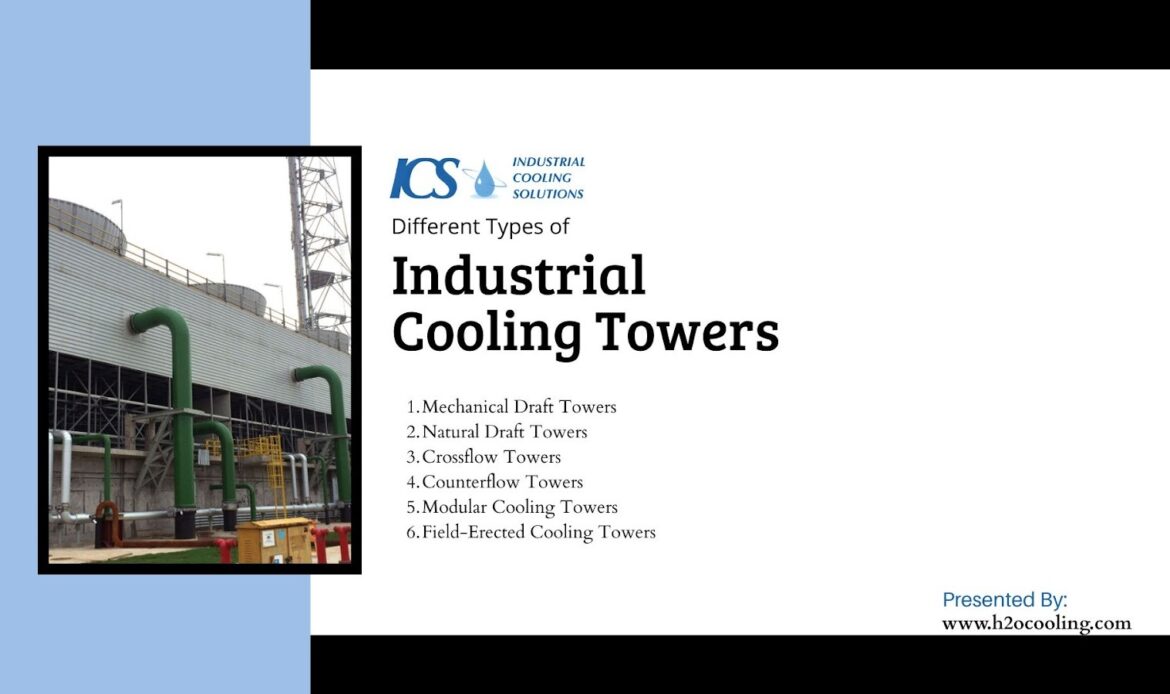
Selecting the right tower type is one of the most consequential decisions in the planning process. Each configuration offers distinct advantages depending on site conditions, budget, and cooling load requirements.
What are your options, and which configuration best fits your project?
- Mechanical draft towers: These use fans to force or draw air through the tower. They offer consistent performance regardless of ambient wind conditions, making them the dominant choice for most industrial applications.
- Natural draft towers: Common in large power generation facilities, these rely on the buoyancy of warm air to drive airflow. They require no fan motors, reducing long-term energy costs, but demand significant capital investment and space.
- Crossflow and counterflow designs: In crossflow towers, air moves horizontally across the water flow. In counterflow designs, air moves vertically upward against the descending water. Counterflow towers are generally more compact and thermally efficient.
- Modular vs. field-erected: Modular towers are factory-assembled and shipped in sections, reducing on-site construction time. Field-erected towers are built in place, offering greater customization for large-scale or complex installations.
Design Considerations for New Towers
Good design prevents expensive problems. A poorly engineered tower wastes energy, causes noise complaints, and may fail structural inspections. What engineering factors demand the most attention during the HVAC cooling tower planning phase?
Cooling Capacity Requirements
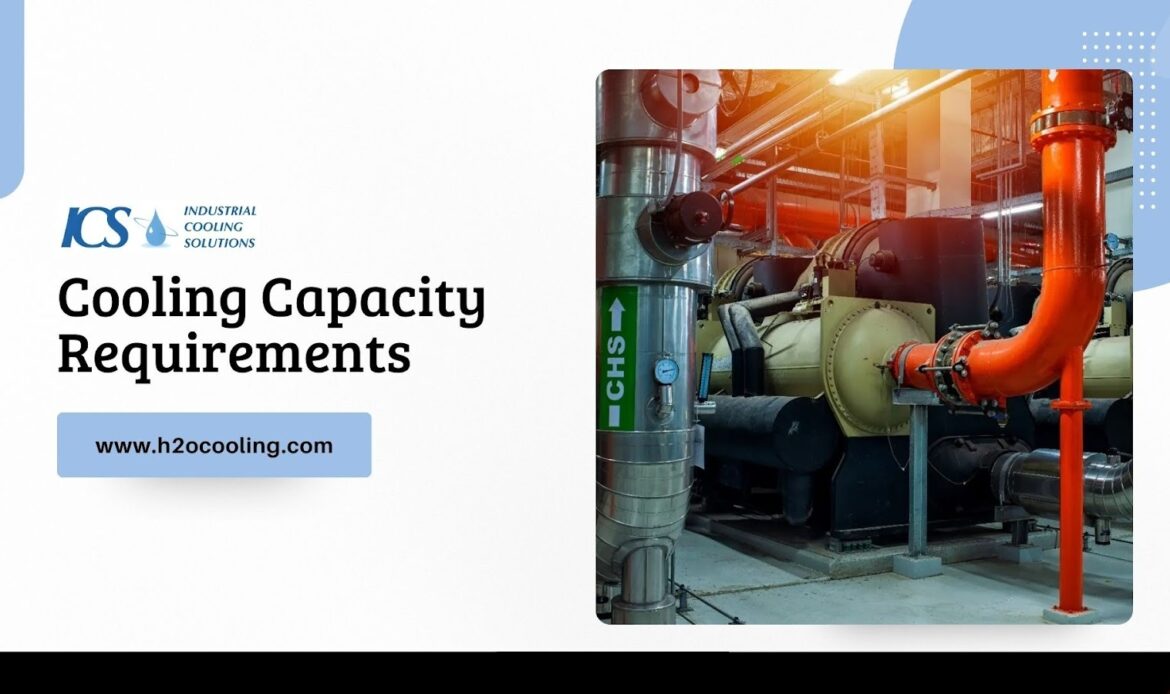
Accurately calculating cooling capacity is critical for optimal performance and cost efficiency in cooling tower operations. Engineers must ensure that the tower’s heat rejection capabilities align with the process requirements. Here are key considerations:
- Heat Load Calculation: Determine the required heat rejection rate based on process demands, the load being cooled, and environmental factors like wet-bulb temperature ranges.
- Approach Temperature Optimization: Define the approach temperature (difference between the tower's cold water temperature and the prevailing wet-bulb temperature) to ensure the tower operates efficiently.
- Right-Sizing the Tower: Avoid undersizing, which creates operational bottlenecks, and oversizing, which leads to unnecessary capital expenditures and inefficient resource utilization.
Airflow and Plume Control
Managing airflow and controlling plume are essential to ensure both operational efficiency and compliance with environmental regulations. Visible plumes and excessive drift carry-over can pose challenges for both community relations and sustainability goals. Key factors include:
- Drift Eliminators: Modern cooling tower designs use advanced drift eliminators that reduce water droplet carry-over to less than 0.0005% of circulating water flow, minimizing waste and community impact.
- Plume Visibility Reduction: Enhanced plume abatement systems can mitigate visible plumes, especially in colder climates, improving community acceptance.
- Environmental Compliance: Proper airflow and plume control help meet local environmental regulations, avoiding penalties and ensuring sustainable operations.
Structural Stability Under Loads
Cooling towers must be designed to handle various dynamic and static loads to maintain long-term operational integrity. Structural stability ensures safety and reliability under all operating conditions. Critical factors include:
- Dynamic Loads: The tower must withstand vibration from fans and motors, as well as fluctuating water pressure during operation.
- Environmental Stressors: Wind pressure, seismic activity (in applicable zones), and temperature fluctuations must be considered in the structural design.
- Load Combinations: Structural analysis must account for all possible load combinations, including the weight of water in the basin, to prevent failures under extreme operating conditions.
Noise and Vibration Mitigation
Cooling towers near residential or noise-sensitive areas must address sound and vibration issues to meet local ordinances and maintain good community relations. Noise and vibration control measures should include:
- Fan and Motor Optimization: Use low-noise fans and vibration isolation mounts to minimize disruptions during operation.
- Acoustic Louvers: Install acoustic louvers and barriers to reduce noise leakage and ensure compliance with local noise regulations.
- Regular Maintenance: Perform routine inspections of fans, motors, and mounts to identify and address noise or vibration issues proactively.
By addressing these critical factors, engineers and facility managers can ensure their cooling towers operate efficiently, meet compliance standards, and provide long-term reliability.
Smart Material Choices and Strategic Structural Planning
Material selection for cooling towers directly determines how long a structure performs without major intervention. Choosing the wrong material for your environment accelerates corrosion, increases maintenance frequency, and shortens service life.
Which materials perform best under your site's specific conditions?
Steel, Fiberglass, and Concrete: What to Choose?
Galvanized steel offers a cost-effective solution for many applications, though it may need extra protection in harsher settings. For industries with heavy chemical use, fiberglass-reinforced plastic (FRP) is a better choice due to its superior corrosion resistance and longer lifespan.
- Galvanized Steel: Best for general applications but requires protective coatings in aggressive environments.
- Fiberglass Reinforced Plastic (FRP): Ideal for chemical-heavy industries due to excellent corrosion resistance.
- Concrete: The top choice for large natural draft towers, valued for its compressive strength and thermal mass.
The Role of Corrosion-Resistant Coatings
To maximize the lifespan of your cooling tower, applying the right protective coatings is essential. These coatings shield structural steel components from the constant exposure to warm, chemically treated water, which can otherwise lead to rapid deterioration.
- Epoxy Linings: Provide a durable barrier against moisture and chemical corrosion.
- Polyurethane Topcoats: Offer excellent UV resistance and protect the underlying epoxy layer.
- Hot-Dip Galvanizing: A process that coats steel with zinc to prevent rust and extend its service life.
How Environmental Factors Influence Material Selection
The surrounding environment plays a critical role in choosing the right materials for your cooling tower. A material that works well in one location might fail quickly in another, so a tailored strategy is necessary for long-term durability.
- Coastal Areas: High salt content in the air requires materials resistant to chloride-induced corrosion.
- Chemical Plants: Towers exposed to acidic or alkaline vapors demand specialized, highly resistant materials.
- Urban Environments: Industrial pollutants can accelerate material degradation, influencing the choice of coatings and alloys.
Structural Design for Load, Wind, and Seismic Forces
Beyond material choice, the structural design must comply with local building codes and anticipate environmental stresses. Proper engineering ensures the tower can withstand high winds, seismic activity, and its own operational weight without compromising safety or performance.
- Load-Bearing Calculations: Must account for the weight of water, equipment, and structural components.
- Wind and Seismic Codes: Determine foundation depth, anchor bolt specifications, and frame geometry based on local risk factors.
- Foundation Integrity: A robust foundation is crucial for stabilizing the entire structure against external forces.
Step-by-Step Cooling Tower Construction Process
A structured cooling tower installation process minimizes delays, reduces rework, and ensures the finished system meets design intent. Each phase builds on the last. Skipping steps or rushing sequences creates problems that are costly to correct after commissioning.
What does a well-executed construction sequence look like from start to finish?
- Site selection and preparation: Engineers evaluate proximity to heat sources, prevailing wind direction, access for maintenance equipment, and soil bearing capacity before any civil work begins.
- Foundation and structural framework: Reinforced concrete foundations are poured and cured to the specified compressive strength. The structural frame — whether steel, FRP, or concrete — is erected and aligned to design tolerances.
- Installation of mechanical systems (fans, motors, pumps): Fan stacks, drive shafts, gearboxes or belt drives, and circulation pumps are installed and aligned per manufacturer specifications. Alignment accuracy directly impacts vibration levels and bearing life.
- Water distribution and fill media installation: Distribution headers, nozzles, and spray systems are installed to ensure even water coverage across the fill media. Fill media selection affects both thermal performance and pressure drop.
- Electrical and control systems integration: Power supply panels, motor starters, VFDs, and the supervisory control system are wired and programmed. Control logic must align with process requirements and alarm setpoints.
- Testing, commissioning, and quality assurance: Hydraulic balancing, vibration measurement, thermal performance testing, and control system functional tests are completed before the tower is handed over for operation.
- Post-construction inspection: A final structural and mechanical inspection confirms that all components meet specification, documentation is complete, and the maintenance team has received operational training.
Cost Breakdown and Budget Planning
Budget overruns in cooling tower projects are almost always traced back to underestimated scope, poor planning, or late design changes. What should your project budget account for from the start?
Realistic budgeting requires a line-by-line breakdown of every cost driver. Surprises are expensive at this scale.
- Materials and labor: Together, these represent the largest share of project cost. Material pricing fluctuates with commodity markets, particularly steel, copper, and PVC. Labor costs vary significantly by region and project complexity.
- Design complexity: Custom tower geometries, tight site constraints, or unusual process requirements drive up engineering hours and procurement lead times.
- Energy-efficient technologies: VFDs, premium efficiency motors, and advanced fill media carry higher upfront costs but deliver measurable lifecycle savings.
- Safety and compliance-related costs: Fire protection systems, containment berms, access platforms, and safety interlocks are non-negotiable budget items in most jurisdictions.
- Optional add-ons (monitoring systems, IoT sensors): Real-time vibration monitoring, water quality sensors, and remote access platforms add cost but substantially reduce the risk of unplanned failures.
Energy Efficiency and Sustainability in 2026
Sustainability is no longer a corporate talking point. Regulators, investors, and insurers are now requiring measurable environmental performance from industrial facilities. Energy-efficient cooling towers are at the center of this shift.
How do modern buildings achieve both performance and environmental responsibility?
- Water and energy conservation techniques: Drift eliminators, variable-speed fans, and advanced basin controls reduce water consumption and power draw simultaneously.
- Green technologies integrated in new towers: Hybrid wet-dry cooling systems minimize visible plumes and reduce water loss. Heat exchanger integration with waste heat recovery systems further improves overall plant efficiency.
- Lifecycle cost savings through efficiency: An investment in premium efficiency components typically achieves payback within three to seven years through reduced utility bills and lower maintenance frequency.
- Compliance with local and international standards: ISO 14001 environmental management standards, Cooling Technology Institute (CTI) certifications, and regional wastewater discharge permits all inform the design and operational parameters of new builds.
Safety, Compliance, and Regulations
Industrial construction carries inherent risks. A cooling tower project that cuts corners on safety compliance exposes the owner to regulatory penalties, project delays, and serious liability.
What legal and safety obligations govern your project from planning through commissioning?
- OSHA and local safety codes: In the United States, OSHA 29 CFR 1926 governs construction site safety, including fall protection, electrical hazards, and scaffolding requirements. Local jurisdictions may impose additional requirements.
- Environmental and wastewater compliance: Blowdown water from cooling towers contains suspended solids, biocides, and scale inhibitors that require treatment before discharge. Permits must be secured before construction begins.
- Structural safety standards: Building codes such as ASCE 7 in the US or equivalent national standards govern wind load design, seismic requirements, and foundation engineering.
- Worker safety during construction: Confined space entry procedures, lockout/tagout protocols, and heat illness prevention programs must be in place before work begins on enclosed structural elements.
Essential Maintenance Tips for Brand-New Towers
A new tower does not eliminate the need for maintenance — it resets the timeline. Proactive maintenance planning from day one extends service life, preserves thermal performance, and prevents minor issues from escalating into major failures.
What maintenance strategy should you establish before the tower ever enters service?
- Scheduling inspections from day one: Baseline inspections during the first 30, 90, and 180 days of operation establish performance benchmarks and catch installation-related deficiencies early.
- Components needing early attention: Drift eliminator alignment, basin sump cleanliness, fill media settlement, and fan blade pitch settings should all be verified within the first operational quarter.
- Tracking and reporting best practices: Maintaining detailed logs of water quality, fan motor amperage, vibration readings, and thermal performance allows engineers to identify trends before they become failures.
- Using sensors for predictive maintenance: Vibration sensors on fan bearings, conductivity probes in the basin, and temperature sensors on inlet and outlet water lines provide continuous data that feeds predictive maintenance algorithms.
Conclusion
New cooling tower construction in 2026 demands more than engineering competence — it requires strategic thinking, environmental awareness, and a commitment to long-term performance from day one. The decisions made during the planning phase determine not just how well the tower performs at startup, but how efficiently and reliably it operates for the next 25 to 30 years.
Proper planning and design are the most critical factors for project success. Rushing evaluations, skimping on materials, or underinvesting in the industrial cooling tower design creates problems that are far more costly to fix later on.
Energy-efficient cooling towers built for sustainability offer measurable benefits—lower utility bills, reduced water use, and regulatory compliance without constant retrofitting. Incorporating predictive maintenance from the start ensures performance remains strong throughout the tower's operational life.
The right team, the right materials, and the right process — that is the foundation of every successful new cooling tower construction project. For expert cooling tower builds and maintenance, visit h2ocooling.com today.
Frequently Asked Questions (FAQs)
How long does a new cooling tower construction take?
Project duration depends on tower size, site conditions, and design complexity. Modular towers can be installed in four to twelve weeks. Large field-erected towers may require six to eighteen months from site preparation through commissioning..
How much does a typical new tower cost in Asia or the USA?
Small modular towers in Asia can start at USD 50,000 to USD 200,000. Mid-sized industrial towers in the USA typically range from USD 500,000 to USD 3,000,000 depending on capacity, materials, and complexity. Large custom installations can exceed USD 10,000,000.
What maintenance is required in the first year?
The first year should include monthly basin inspections, quarterly fan and motor checks, biannual fill media inspections, and continuous water quality monitoring. Establishing these routines early creates a performance baseline that guides all future maintenance decisions.
What is involved in Cooling Tower Construction?
Cooling Tower Construction involves structural design, material selection, and installation of components like fill media, fans, and basins. It ensures efficient heat dissipation, durability, corrosion resistance, and compliance with industrial safety and environmental standards.
Why is professional expertise important in Cooling Tower Construction?
Professional expertise in Cooling Tower Construction ensures precise engineering, proper airflow design, and structural stability. Skilled contractors optimize performance, extend service life, reduce maintenance costs, and ensure regulatory compliance for industrial and commercial facilities.