

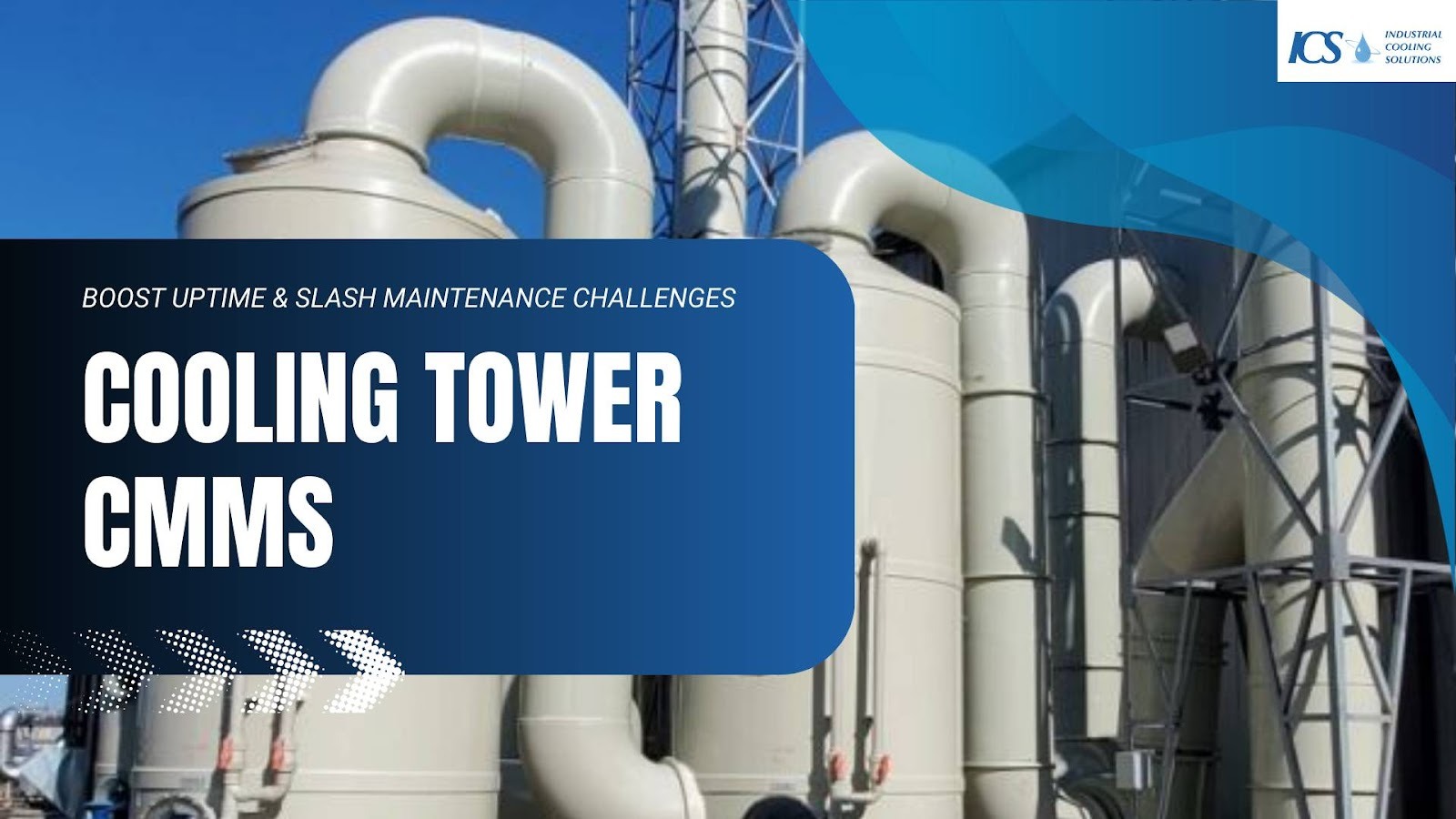
Industrial cooling is undergoing a significant transformation with the rise of the cooling tower CMMS. The old model of reactive maintenance, fixing components only after they fail, is becoming obsolete. For 2026 and beyond, the focus shifts to a predictive strategy.
A Computerized Maintenance Management System (CMMS) serves as the central brain of this modern industrial cooling approach. Integrating a CMMS with your cooling tower operations creates a powerful feedback loop between physical assets and operational data. This intelligence-driven model moves maintenance from a fixed schedule to a condition-based one, which can reduce operational expenditures by 15-20%.
The Core Pillars of Cooling Tower CMMS Integration
Effective integration is more than a digital checklist; it is about creating a detailed, interconnected system. True technical authority comes from establishing what a "good" integration looks like.
- Asset Hierarchy & Digital Twins: The first step is to map all critical components. This includes gearboxes, variable frequency drives (VFDs), and fill media. Each part receives a unique digital ID. This allows for granular tracking of every component within the cooling tower, creating a digital twin that mirrors the physical asset.
- IoT Sensor Feeds: The system must integrate real-time data from Internet of Things (IoT) sensors. These devices monitor key performance indicators such as vibration, water conductivity, and flow rates. This data feeds directly into the CMMS, capable of triggering automated work order generation when readings go outside acceptable limits.
- Centralized Document Library: All essential documents become instantly accessible. Technicians in the field can use mobile devices to view cooling tower commissioning reports, original design specifications, and OEM manuals. This eliminates guesswork and ensures all maintenance activities are based on accurate information.
Strategic Work Order Automation: The Mechanical Interlocks
A CMMS elevates cooling tower maintenance by automating work orders based on real-world conditions, not just a calendar. This dynamic approach improves maintenance efficiency and prevents equipment failures.
Dynamic Scheduling
The CMMS adjusts the cooling tower maintenance schedule based on seasonal ambient conditions and actual run-hours. A tower operating in hotter climates or under heavier loads will require more frequent preventive maintenance activities than one in a milder environment. This data-driven scheduling ensures resources are used effectively, extending equipment life.
Failure Code Tracking
When an issue like fan imbalance or pump cavitation occurs, the CMMS is used to perform a Root Cause Analysis (RCA). By tracking failure codes, facility managers can identify recurring problems and implement permanent solutions rather than temporary fixes. This proactive approach minimizes costly repairs and unexpected downtime.
Inventory Management
Lead-time delays for critical parts can halt operations. An integrated CMMS manages inventory for high-wear parts like spray nozzles and belt drives. It sends automated low-stock alerts, ensuring that necessary components are ordered before they are needed. This prevents disruptions and keeps the cooling system running at maximum efficiency.
The Digital Compliance Shield: ASHRAE 188 & Safety
Beyond operational efficiency, a CMMS is a vital tool for ensuring regulatory compliance and technician safety. It creates a transparent and auditable record of all maintenance tasks.
- Automated Legionella Logs: To comply with standards like ASHRAE 188, the CMMS generates timestamped records of biocide dosing and disinfection flushes. This simplifies regulatory audits and provides proof of compliance, mitigating risks associated with microbial growth and microbial contamination.
- Safety Protocol Integration: Safety is paramount. The system can enforce mandatory Lockout/Tagout (LOTO) checklists. A technician must digitally sign off on these safety protocols before gaining access to hazardous areas like the fan deck, protecting both personnel and equipment.
- Water Stewardship: The CMMS links cycles of concentration logs to environmental, social, and governance (ESG) reporting. This creates a transparent record of water usage, supporting sustainability initiatives and improving water stewardship across the facility.
Cooling Tower CMMS: Features vs. Performance
This table helps facility managers evaluate their digital readiness by connecting CMMS features to tangible performance impacts and the key performance indicators (KPIs) used to measure success.
| CMMS Feature | Industrial Application | Performance Impact | Critical KPI |
| Vibration Monitoring | Predictive Bearing Failure | Prevents Gearbox Destruction | < 0.15 in/s (RMS) |
| Approach Temp Logs | Heat Transfer Validation | Improves Chiller Efficiency | ± 2°F of Design |
| Conductivity Loop | Blowdown Calculation | Reduces Water & Chemical Waste | Cycles of Concentration |
| Mobile Inspections | Real-time Field Reporting | Eliminates Paper-Log Errors | MTTR (Mean Time to Repair) |
| Asset History | Lifecycle Cost Analysis | Optimizes CapEx Planning | MTBF (Mean Time Between Failure) |
Overcoming the Integration Gap: Common Pitfalls
Implementing a CMMS is not without its challenges. Avoiding common pitfalls is crucial for a successful integration.
One of the biggest issues is the data silo trap. A cooling tower CMMS must communicate seamlessly with other platforms, such as your Building Management System (BMS) or SCADA. Without this interoperability, you create isolated pockets of information, defeating the purpose of a unified system.
Another significant hurdle is the "dirty data" problem. The initial data entered into the system, often from the cooling tower commissioning phase, must be accurate. Inaccurate baseline data can lead to false alarms and misguided preventive maintenance tasks, eroding trust in the system.
Finally, technician adoption is key. A complex desktop interface will see little use in the field. A user-friendly mobile interface that allows technicians to easily access information and log maintenance activities is far more important for day-to-day success.
Troubleshooting Through Data: Identifying "Ghost" Failures
A robust CMMS with detailed equipment history transforms troubleshooting from a guessing game into a data-driven process.
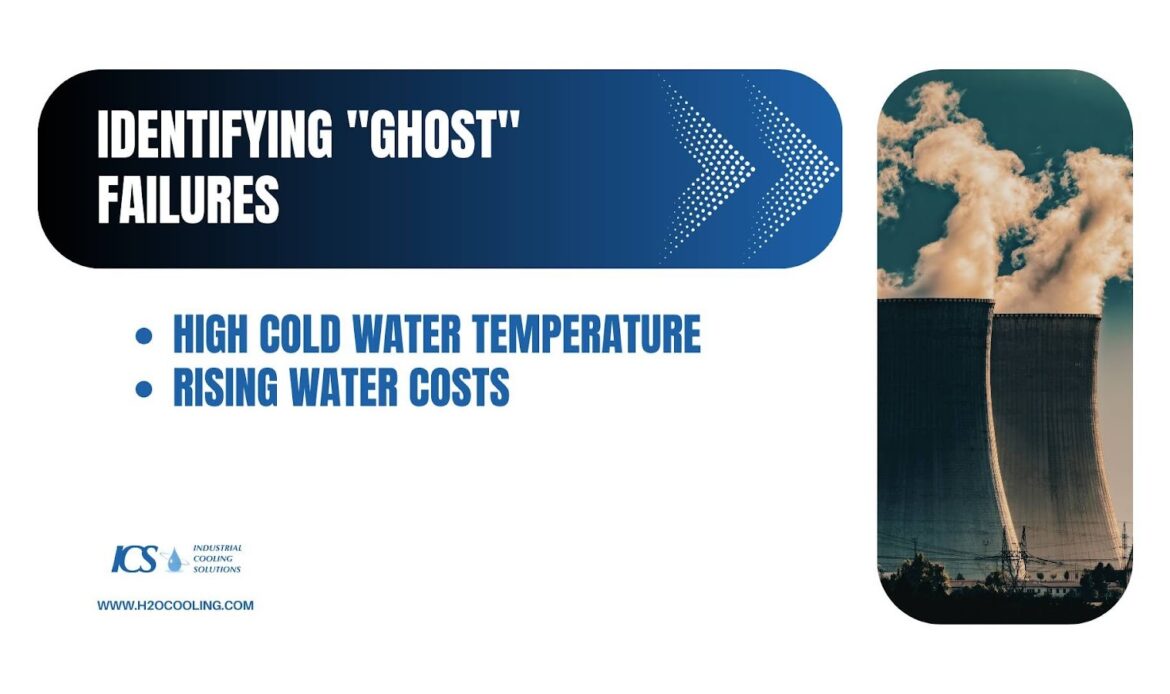
Symptom: High Cold Water Temperature
A high cold water temperature can indicate several issues. By reviewing the CMMS history, a technician can distinguish between potential causes. For instance, performance data might show a gradual decline in heat transfer efficiency, pointing toward fouled fill media. In contrast, sudden changes could suggest improper fan pitch following recent maintenance.
Symptom: Rising Water Costs
Unexpectedly high water bills can be difficult to diagnose. The flow logs within the CMMS can quickly identify a cooling tower overflow issue or a stuck makeup valve. This allows for rapid correction, preventing further water and chemical waste.
Conclusion: Engineering Your Digital Roadmap
A cooling tower CMMS is much more than software; it is the bridge between a project's completion and its 20-year operational success. It transforms cooling tower maintenance from a reactive expense into a predictive, strategic advantage that guarantees uptime, enhances heat exchange, and maximizes operational efficiency. The data collected provides invaluable insights into tower performance, helping power generation facilities and other industrial processes avoid emergency repairs and reduce overall energy consumption.
Professional audits ensure your CMMS logic matches your tower's physical reality, optimizing your entire cooling system. This integration is the future of thermal uptime.
Is your maintenance strategy still reactive? Contact the ICS engineering team to design a CMMS integration plan that guarantees uptime and efficiency.
Frequently Asked Questions (FAQs)
What is a Cooling Tower CMMS?
A Cooling Tower CMMS (Computerized Maintenance Management System) is a software tool that integrates cooling tower components with operational data. It automates maintenance tasks, tracks performance data, and ensures regulatory compliance for maximum efficiency.
How does a CMMS improve cooling tower maintenance?
A CMMS enhances cooling tower maintenance by automating preventive maintenance schedules, monitoring critical components like fan motors and fill media, and reducing equipment failures through real-time data analysis.
Why is preventive maintenance important for cooling towers?
Preventive maintenance ensures cooling towers work efficiently by addressing issues like microbial growth, corrosion, and reduced efficiency before they lead to costly repairs or emergency shutdowns.
What are the key benefits of integrating IoT sensors with a CMMS?
IoT sensors provide real-time data on vibration, water quality, and flow rates. This integration helps prevent equipment failures, optimize maintenance schedules, and extend equipment life.
How does a CMMS help with regulatory compliance?
A CMMS simplifies compliance by automating logs for water treatment systems, biocide dosing, and safety protocols like Lockout/Tagout (LOTO). It ensures all maintenance activities meet regulatory requirements.