

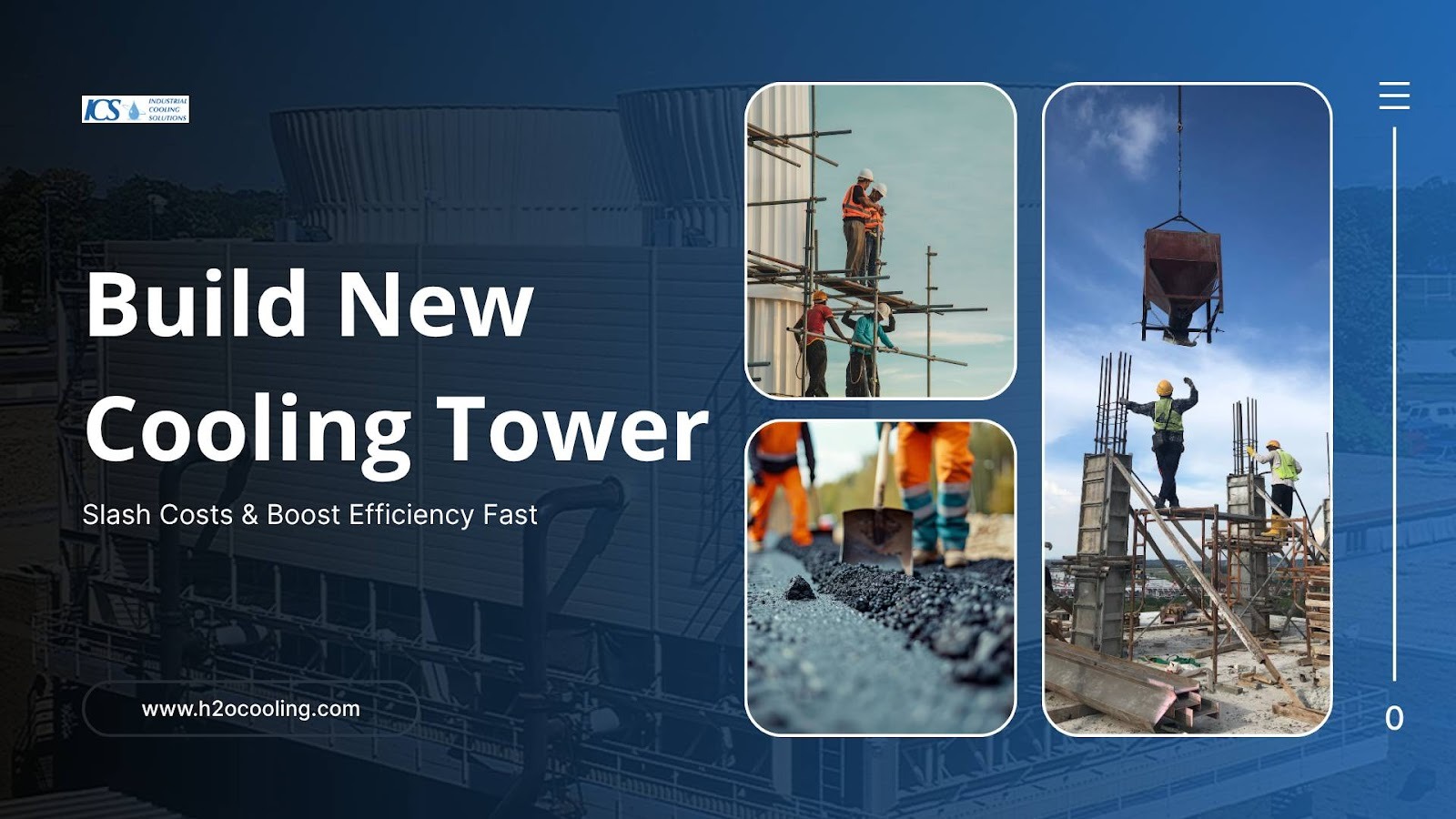
Imagine standing on the factory floor as steam clouds drift from aging towers, knowing the next outage could cost your facility millions. Are you prepared to build a New Cooling Tower that will truly solve your operating cost headaches, or will you repeat the $1 million mistake others make?
Building the right cooling tower is more than a quick fix; it is a chance to revolutionize energy efficiency, secure long-term savings, and support critical industrial processes. The right cooling tower components, cutting-edge cooling tower design, and smart installation choices will protect your operation, whether you manage a power plant, manufacturing site, or any industrial facility.
In this blog post, you will discover practical, actionable strategies for new cooling tower construction that reduce maintenance issues, maximize cooling capacity, and set your project up for long-term success in industrial applications.
The Crisis Point: Why Build a New Cooling Tower and What Few Reveal
When deciding on new cooling towers or considering factory-assembled cooling towers, do not jump straight into construction. A cooling tower is not just a unit for evaporation—it is a critical piece of equipment for managing waste heat, lowering industrial facility temperature, and supporting plant operation.
Skipping a solid tower structure assessment or a proper drainage plan can lead to costly maintenance issues, downtime, or even compliance failures for power plants or other industrial processes.
How Cooling Towers Work: The Evaporation Engine
A cooling tower operates by rejecting waste heat from industrial, commercial, or power plant systems into the atmosphere. Water circulates over a high surface area fill; air moves across the water, causing a small portion to evaporate. This phase change extracts heat and cools the remaining water. Factories, HVAC systems, and industrial sites rely on this process for reliable performance.
For example, industrial cooling towers and commercial towers are key to stable operation, quality control, and maintaining optimal process temperatures. Issues with cooling tower components, thermal performance, or preventive maintenance directly impact plant output and overall facility efficiency.
Main Types of Cooling Towers: Choose the Right Cooling Tower
New cooling tower projects generally use one of several tower designs:
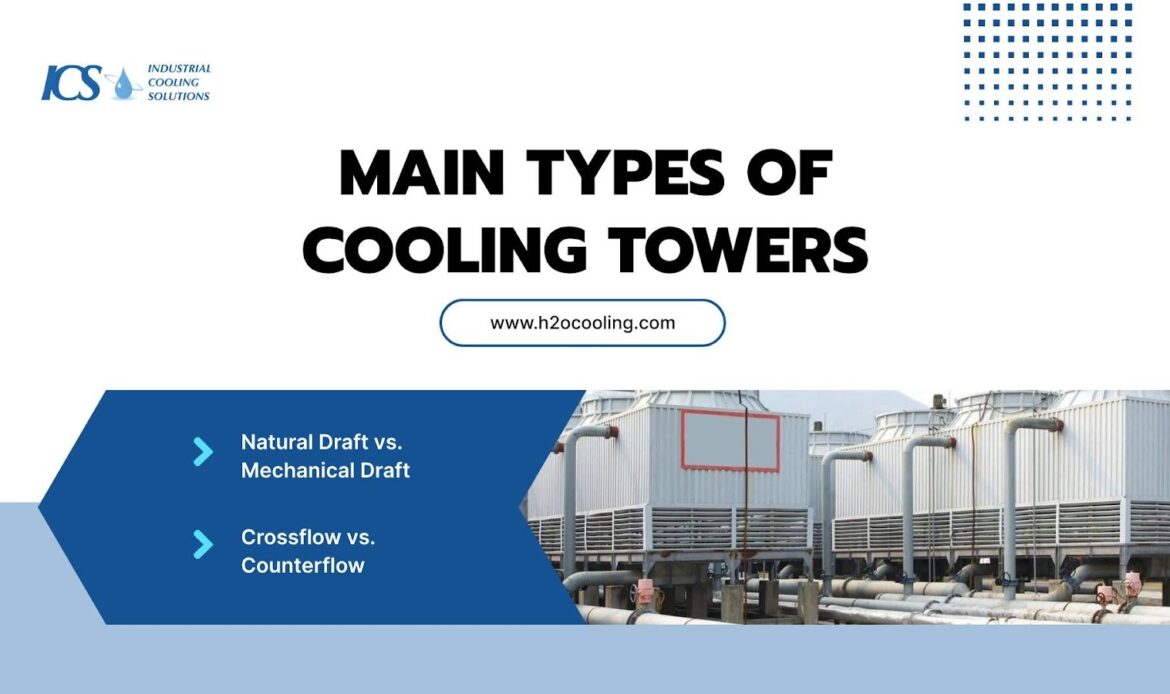
- Natural Draft vs. Mechanical Draft: Natural draft towers use the chimney effect for air movement and are often found in power plants. Mechanical draft cooling towers (such as factory-assembled cooling towers) use fans, making them suitable for tight spaces in urban factories or rooftop installations.
- Crossflow vs. Counterflow: In crossflow towers, air flows horizontally across the falling water; in counterflow towers, air pushes vertically against the water's path. Counterflow designs often provide better cooling efficiency and reduced pump energy.
Selecting the right cooling tower for your industrial or commercial application boosts efficiency, reduces space and installation challenges, and improves long-term cost-effectiveness.
High-Impact Alternatives Before Building New Cooling Tower
Before you launch tower installation or construction, explore these efficient alternatives:
- Retrofitting: Enhance your existing tower by upgrading cooling tower components like high-efficiency motors, drift eliminators, or fills. This method often addresses operating costs and maintenance concerns at a lower CapEx.
- Adiabatic/Hybrid Systems: Climate-adaptive towers merge dry and evaporative cooling, reducing water consumption and allowing operation in diverse industrial environments. These systems are great for industrial applications where sustainable cooling is required.
- Geothermal Exchange: Use the earth for heat rejection, eliminating the need for a traditional cooling tower unit. While this involves a major overhaul, it dramatically lowers operating costs, water usage, and maintenance requirements for suitable sites.
7 Industry Secrets to Build a New Cooling Tower for Maximum Impact
Achieving successful cooling tower installation and long-term efficiency means looking beyond the basic features during tower design, construction, and operation. Here are seven insider secrets to guarantee your project delivers value:
The 'Phantom Load' Check
Emphasize counterflow cooling tower design for large-scale projects. This reduces required pump head and energy use by up to 15%.
When selecting your tower structure, avoid defaulting to crossflow designs simply for maintenance access in tight spaces. The right design has a major influence on cooling efficiency and future cost.
The Life-Cycle Cost (LCC) Trap
Basing your budget on just purchase cost is a mistake. Use the "1% Evaporation Rule": for every ton of cooling capacity, about 3 gallons of water evaporate per minute.
Factoring in all operating costs, including water, energy, and chemical treatments, yields a more accurate projection for your factory or plant in the long run.
Maximize Your Cycles of Concentration (CoC)
Achieving 6+ Cycles of Concentration in your new cooling tower with high-purity makeup water pretreatment leads to significantly less makeup water and blowdown.
While this requires investment in components like softening or reverse osmosis systems, the savings in water and chemical costs make it worthwhile. Efficient water management also supports regulatory compliance for industrial plants and commercial facilities.
The Digital Foundation
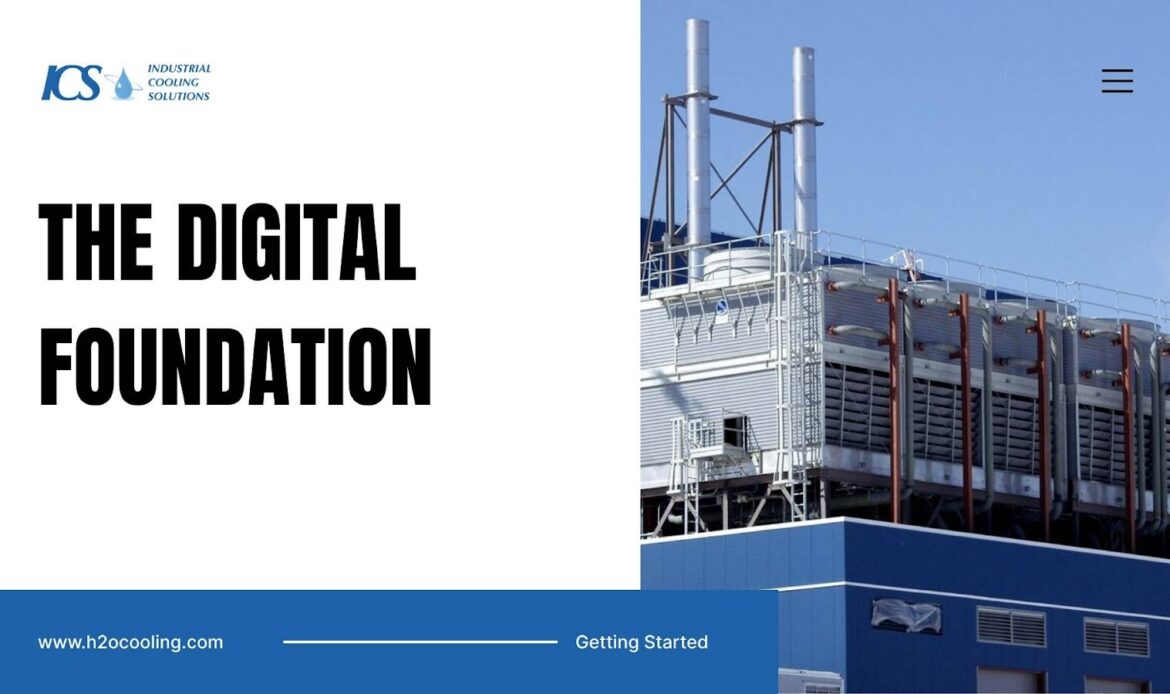
Build predictive maintenance into your cooling tower installation. Require IoT sensors for vital cooling tower components (fan vibration, gearbox temperature) from the start.
Real-time monitoring prevents failures, reduces unplanned downtime, and addresses maintenance issues before they become a crisis.
Modular Speed Advantage for Cooling Tower Construction
Specifying factory-assembled cooling towers or FRP modular tower designs shortens construction time, reduces equipment needs on the ground, and lowers installation costs.
This solution is ideal for replacing a new tower in challenging locations like a roof or a commercial building with limited space.
The Hidden Weld QA/QC
Insist on Non-Destructive Testing for all major welds in the tower structure, not just visual checks. This extra step prevents hidden flaws, structural issues, and later breakdowns, extending the life of your new cooling towers.
The Plume Solution Bridge
Use a plate heat exchanger to separate clean process water from the tower’s water loop. This addition protects process purity, cuts chemical treatment needs, and reduces public concerns about visible plume and drift.
It is especially effective when cooling tower installation must meet higher safety or hygiene standards.
The Definitive 5-Step Build New Cooling Tower Procedure.
Successful cooling tower installation and operation depend on a clear, strategic build process:
Planning, Permitting, and Financial Preparation
- Evaluate perfect location, site safety, and zoning.
- Account for operating costs, future maintenance, and proper drainage.
- Confirm tower cooling capacity and detailed project scope for all commercial or industrial applications.
Cooling Tower Design and Material Selection
- Choose the optimal unit and features for your facility, such as FRP for corrosion resistance and quick installation.
- Integrate all necessary components, drift eliminators, pumps, side-stream filtration, and VFDs during the design stage.
Tower Construction and Installation
- Lay a solid foundation with proper walls and a basin.
- Sequentially install tower components: structure, casing, fill, drift eliminators.
- Ensure non-destructive weld testing for quality assurance.
Commissioning and Testing
- Perform thermal performance tests and balance fan operation.
- Set up water treatment and reach the target Cycles of Concentration.
- Launch preventive maintenance programs using digital monitoring.
Long-Term Operation and Maintenance
- Maintain continuous monitoring for all major equipment.
- Adapt systems for energy efficiency, water conservation, and compliance over time.
- Ensure ongoing facility and process optimization.
Summary Table: 7 Secrets to Building a New Cooling Tower
| Secret | Focus Area | Key Strategy | Benefit |
| 1. The ‘Phantom Load’ Check | Design Efficiency | Prioritize counterflow design to minimize pumping head | 10-15% energy savings in pump operational expenses |
| 2. The Life-Cycle Cost (LCC) Trap | Financial Viability | Use the 1% Evaporation Rule & factor in true OpEx, not just CapEx | Accurate budgeting, optimized long-term costs |
| 3. Maximize Your CoC Target | Water Conservation | Design for 6+ Cycles of Concentration with high-purity pretreatment | Up to 20% less makeup water, 50% reduced blowdown |
| 4. The Digital Foundation | Predictive Maintenance | Integrate IoT sensors for vibration and temperature monitoring | Prevents failures and unplanned downtime |
| 5. The Modular Speed Advantage | Construction | Specify FRP modular construction for rapid installation | Faster build, reduced labor/time on site |
| 6. The Hidden Weld QA/QC | Quality Control | Mandate Non-Destructive Testing on critical welds | Avoids hidden flaws, prevents structural failures |
| 7. The Plume Solution Bridge | Compliance/Visibility | Implement a plate heat exchanger for process water isolation | Simplifies treatment, reduces visibility/plume issues |
Conclusion
Building a new cooling tower for your facility is much more than a replacement—it is your chance to transform efficiency, lower operating costs, and achieve superior long-term performance.
By applying proven industry secrets, prioritizing the right cooling tower design, and taking a holistic approach to construction and maintenance, you ensure that your investment stands the test of time. The right decisions today deliver reliability, compliance, and impressive savings for years to come.
Ready to make your cooling tower project a win for your business with H2O Cooling? Contact us now to discuss your needs and unlock the highest return on your investment. Let us help you build success from the ground up!
Frequently Asked Questions
How much does it cost to build a cooling tower?
The cost varies widely based on size, type, and materials, but typically ranges from $50,000 to over $1 million for industrial cooling towers.
What is the best material for a cooling tower?
Fiberglass Reinforced Plastic (FRP) is often the best choice due to its corrosion resistance, durability, and lightweight properties.
How to start up a cooling tower?
Inspect all components, ensure proper water levels, check for debris, prime the pumps, and gradually start the fans and water distribution system.
What is the new technology for cooling towers?
IoT-enabled sensors, hybrid adiabatic systems, and advanced drift eliminators are among the latest innovations improving efficiency and sustainability.