

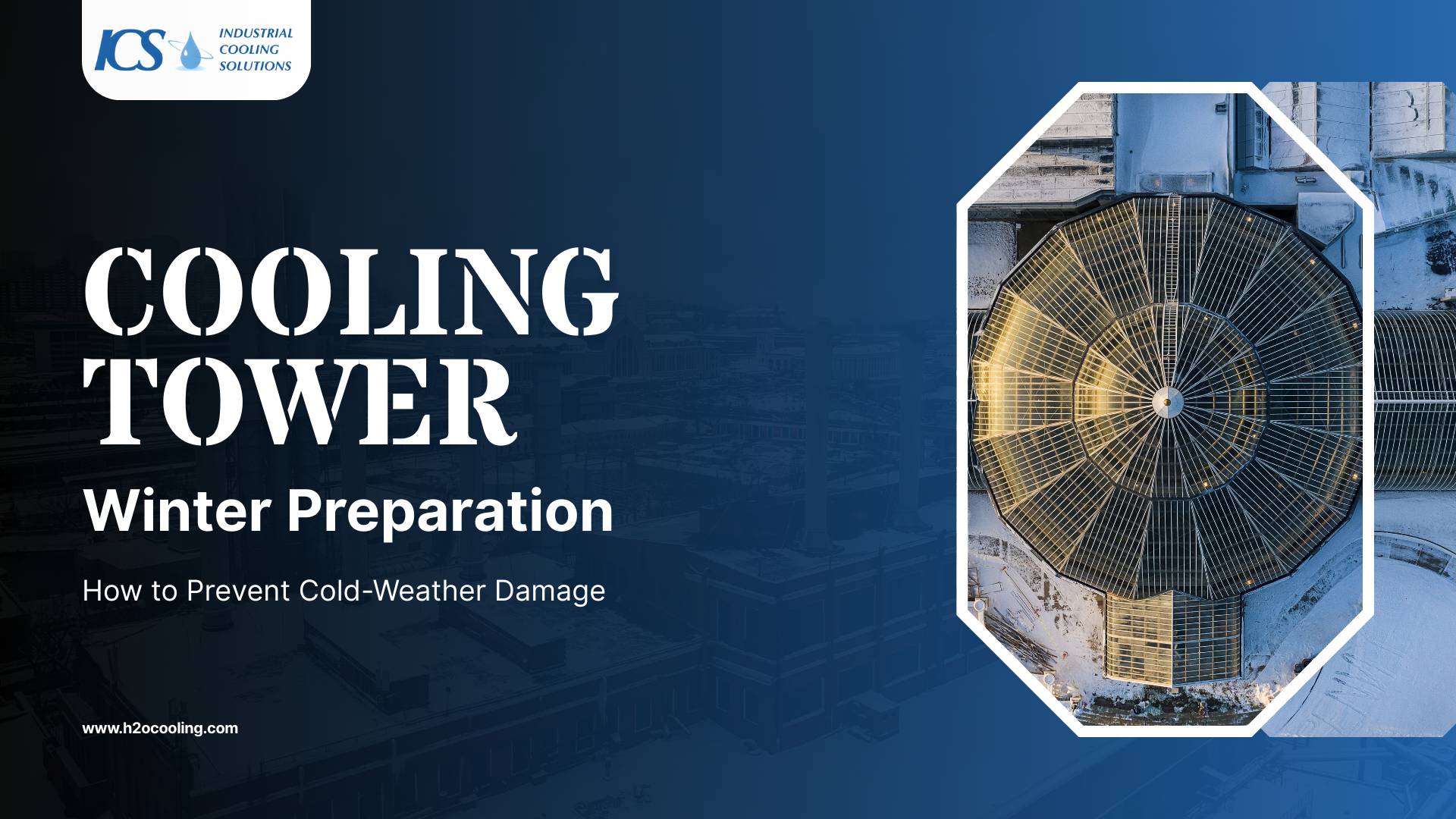
Winter is almost here, and it brings more than just a chill in the air; it brings unique risks for cooling towers. While most facility managers prepare for blazing summer days, winter can be the real troublemaker. Freezing temperatures can quickly escalate small problems into major disasters if the right precautions aren’t in place.
Facility teams frequently underestimate common cold-weather failures. Ice buildup can destroy fans, collapse fill media, and burst piping overnight. Without a solid strategy, you risk unplanned shutdowns that disrupt production and lead to expensive emergency repairs.
Cooling tower winter preparation must be a proactive process rather than a reactive one. A successful winter plan ensures operational stability, prevents freezing, and protects critical equipment from long-term damage.
Why Cooling Tower Winter Preparation Is Critical
Winter operation demands a different mindset than summer cooling. When ambient temperatures drop below freezing, the physics of your tower changes. Water distribution systems, airflow patterns, and structural components all react differently to the cold.
Frozen water inside your cooling tower can cause significant and costly damage. Here’s a breakdown of what can happen and why it's critical to avoid:
- Ruptured Pipes and Cracked Basins: When water freezes, it expands with enough force to burst pipes and crack the tower's basin. This leads to major leaks and structural damage, requiring expensive and difficult repairs in harsh winter conditions.
- Misaligned and Damaged Equipment: Ice buildup can push rotating equipment like gearboxes and motors out of alignment. Even a small amount of ice on fan blades can create a severe imbalance, leading to catastrophic failure of the entire fan assembly.
- Costly Unplanned Shutdowns: Emergency repairs in winter are complicated. Crews face hazardous conditions, and replacement parts are often harder to source quickly. The financial impact of an unplanned shutdown and subsequent repairs far exceeds the cost of proactive winterization.
A solid winter plan is an investment that protects both your equipment and your budget.
Key Risks Cooling Towers Face During Winter Operation
Operating a cooling tower in sub-freezing temperatures requires distinct knowledge of thermodynamic risks. Without specific safeguards, the system becomes vulnerable to forces that standard operation manuals do not always address. What specific threats does winter pose to your equipment integrity?
- Ice formation on mechanical components: Moisture on fan blades or shafts creates an imbalance, leading to severe vibration and potential motor failure.
- Reduced heat load causing overcooling: When the ambient air is too cold, the water may cool below the design setpoint, leading to basin freezing.
- Freeze damage to piping and nozzles: Stagnant water in small-diameter pipes or spray nozzles freezes quickly, causing cracks and bursts.
- Structural stress from ice buildup: The sheer weight of accumulated ice on louvers and fill media can exceed the structural load capacity of the tower.
Pre-Winter Cooling Tower Inspection Checklist
A thorough inspection before the first freeze is non-negotiable. You need to identify weak points while the weather is still mild enough to fix them safely.
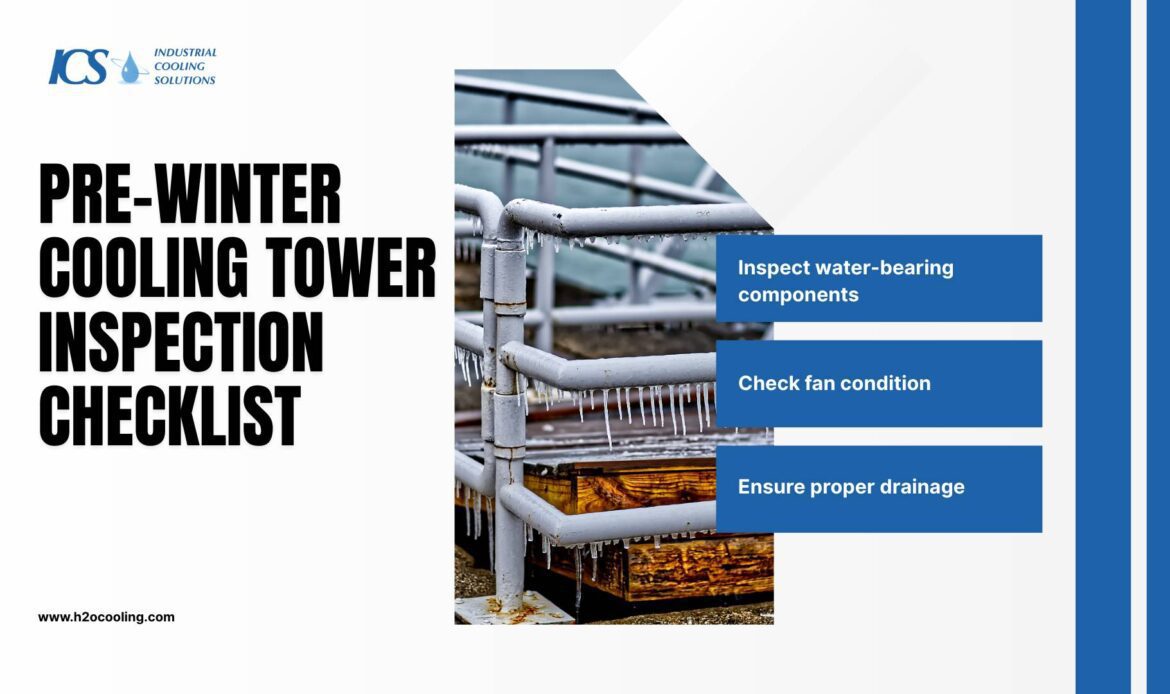
Does your current maintenance routine account for winter-specific vulnerabilities? Use this checklist to guide your pre-season assessment:
- Inspect water-bearing components: Check the basin, piping, and distribution systems for leaks, cracks, or loose fittings. Remember, any leak is a potential site for ice to form.
- Check fan condition: Make sure the fan blades are clean, balanced, and pitched correctly. Unbalanced blades will vibrate more intensely once ice forms, leading to potential damage.
- Ensure proper drainage: Test all drain valves to confirm water circulates freely. Eliminating "dead legs" where water can stagnate is crucial to prevent freezing.
Completing this checklist is essential for effective cooling tower winter preparation. It ensures your system operates efficiently during colder months, prevents costly damage, and extends the lifespan of your equipment.
Managing Scale and Biological Buildup Before Winter
Scale and biological growth are bad for efficiency in any season, but they are dangerous in winter. Scale acts as an insulator and creates rough surfaces where ice adheres easily. Here's how to do it properly.
- Inspect your cooling tower: Regularly check for any signs of scale or biological buildup on heat transfer surfaces.
- Use the right chemicals: Apply water treatment solutions designed to prevent scale and inhibit biological growth.
- Brush or clean surfaces: Physically clean fouled areas to remove any accumulated debris or growth.
- Flush the system: Drain and flush the tower to remove loose buildup and contaminants.
- Perform a deep clean before winter: Thoroughly clean the system before temperatures drop to avoid freezing risks.
- Maintain regular monitoring: Set a schedule to monitor and treat water quality to prevent future buildup.
How Clean Surfaces Improve Cold-Weather Performance
A clean tower operates more reliably. Removing scale and biofilm reduces the corrosion risk that accelerates during stagnant periods.
- Clean surfaces are critical for predictable thermal behavior: Debris-free components ensure consistent performance.
- Optimized air and water interaction: Clean fill media and drift eliminators allow air and water to mix as designed.
- Accurate temperature control: Consistency in operation enables control systems to manage water temperature effectively.
- Prevents dangerous freezing: Eliminates fluctuations that could lead to freezing, protecting your system.
Preventing Ice Formation on Fans and Airflow Components
Axial fans are particularly susceptible to ice damage. Even a thin layer of ice on a fan blade changes its aerodynamics and weight. This imbalance generates intense vibration.
Vibrations caused by ice buildup can affect important components, including the gearbox, motor, and fan shaft. In severe cases, these vibrations can result in the disintegration of the fan assembly, leading to substantial damage to the tower.
Checklist: How to Prevent Ice Formation
- Regularly inspect fan blades and airflow components for ice buildup, especially during freezing conditions.
- Use de-icing systems or heating elements to prevent ice from forming.
- Schedule routine maintenance to ensure all components are functioning properly.
- Keep vents and airflow pathways clear of debris or obstructions.
- Monitor weather conditions and prepare for preventative measures during extreme cold.
- Invest in anti-icing coatings or materials for fan blades and key components.
Fan Operation Strategies in Freezing Conditions
To prevent mechanical failure during winter, it's crucial to adapt your fan operation strategy instead of running them as usual. The key is to manage ice accumulation without putting undue stress on the equipment. Employing techniques like controlled fan cycling or reduced speed operation can maintain system integrity even in freezing temperatures.
Here are some effective fan operation strategies:
- Controlled Fan Cycling: Manage ice buildup by periodically reversing the fans. This pushes warm air up through the tower to melt accumulated ice. This process must be handled carefully to avoid mechanical stress from frequent start/stop cycles.
- Reduced Speed Operation: Use Variable Frequency Drives (VFDs) to run fans at lower speeds. This maintains sufficient airflow to prevent freezing without overcooling the water, which is a safer and gentler alternative to on/off cycling in cold weather.
Using Glycol and Antifreeze Safely in Cooling Towers
Sometimes, operational adjustments are not enough. If your tower will be idle for long periods or exposed to extreme cold, chemical freeze protection becomes necessary.
Glycol lowers the freezing point of the process water. It acts as a safety net when heat load is low or the flow is interrupted. However, using antifreeze requires precision.
Protecting Spray Nozzles and Fill Media
The spray nozzles are the first line of defense against poor water distribution, but they are also the first to freeze if the flow drops. Do you know why these small components cause such large operational headaches?
- Blockages cause cascading failures: If a nozzle freezes, it blocks hot water from reaching a section of the fill, allowing that section to freeze solid.
- Uneven weight distribution: Ice formation caused by blocked nozzles adds uneven weight to the fill pack, risking structural collapse.
Maintaining Water Temperature During Winter Operation
The most effective way to prevent freezing is to keep the water moving and warm. Heat is your best defense against ice.
To maintain water temperature and prevent freezing during winter, follow these guidelines:
- Keep water circulating continuously: This ensures even heat distribution throughout the tower. Flowing water is far less likely to freeze than stagnant water, even when fans are off.
- Utilize process heat: Rely on the heat from your process return water to keep basin temperatures at a safe level.
- Avoid stagnant water: Stagnant water will almost certainly freeze. Do not isolate cells or shut down pumps unless you have completely drained the tower.
Common Winter Preparation Mistakes to Avoid
Even the most seasoned facility managers can overlook a step or two. If you've made some of these missteps in the past, don't worry, we're here to guide you. Avoiding these common pitfalls will ensure your cooling tower is ready for whatever winter throws at it:
- Shutting down systems too early: Don't take the tower offline before winter truly sets in. Unexpected warm spells can lead to overheating if your system isn't ready.
- Forgetting to drain idle towers: Failing to completely drain an unused tower before a sudden freeze can be disastrous, leading to cracked pipes and basins.
- Neglecting basin heaters: Heaters prevent the water in the basin from turning into a solid block of ice. Check that they function correctly and that the thermostats are properly calibrated before the first frost.
- Over-relying on antifreeze: While glycol protects the fluid inside the system, it does not prevent ice from forming on air intakes, fill media, or other structural components. You still need to manage airflow and heat load actively to prevent external ice buildup.
Conclusion
Winter failures are preventable with proper planning. By understanding the unique risks of cold weather and implementing a solid strategy, you can avoid costly downtime and repairs. Cooling tower winter preparation protects efficiency, safety, and equipment lifespan.
Don't wait for the temperature to drop. Proper cooling tower preparation involves proactive inspection and seasonal adjustments. Reinforce these practices within your team today. A well-prepared tower is a reliable tower, regardless of the weather.
Ensure your facility is ready for the cold. Contact H2ocooling.com for winter readiness inspections, operational support, or information on cooling tower repair, maintenance, and replacement.
Frequently Asked Questions
Why do cooling towers freeze without proper cooling tower winter preparation?
Cooling towers freeze when cooling tower winter preparation is neglected and water flow slows, heat load decreases, or excessive airflow overcools the system. Without cooling tower winter preparation, stagnant water and cold air exposure accelerate ice formation on tower components and distribution systems.
When should cooling tower winter preparation begin?
Cooling tower winter preparation should begin before outdoor temperatures consistently approach freezing. Starting cooling tower winter preparation early allows time for thorough safety inspections, necessary repairs, and critical operational adjustments to prevent freeze damage.
Can cooling towers operate during freezing temperatures with cooling tower winter preparation?
Yes, cooling towers can operate safely during freezing temperatures with proper cooling tower winter preparation. Effective cooling tower winter preparation includes managing water circulation, airflow control, and heat load. Without cooling tower winter preparation, freezing risks and equipment damage increase significantly.
Is antifreeze part of cooling tower winter preparation?
Antifreeze can be part of cooling tower winter preparation to protect internal systems against freezing when applied correctly. However, cooling tower winter preparation with antifreeze does not prevent ice formation on external components like fans, fill media, or structural elements.
How does cooling tower winter preparation prevent spray nozzle freezing?
Cooling tower winter preparation prevents spray nozzle freezing by ensuring consistent water flow and proper distribution. Without cooling tower winter preparation, spray nozzles freeze when water flow becomes uneven or interrupted, causing localized ice buildup and dangerous structural stress.