

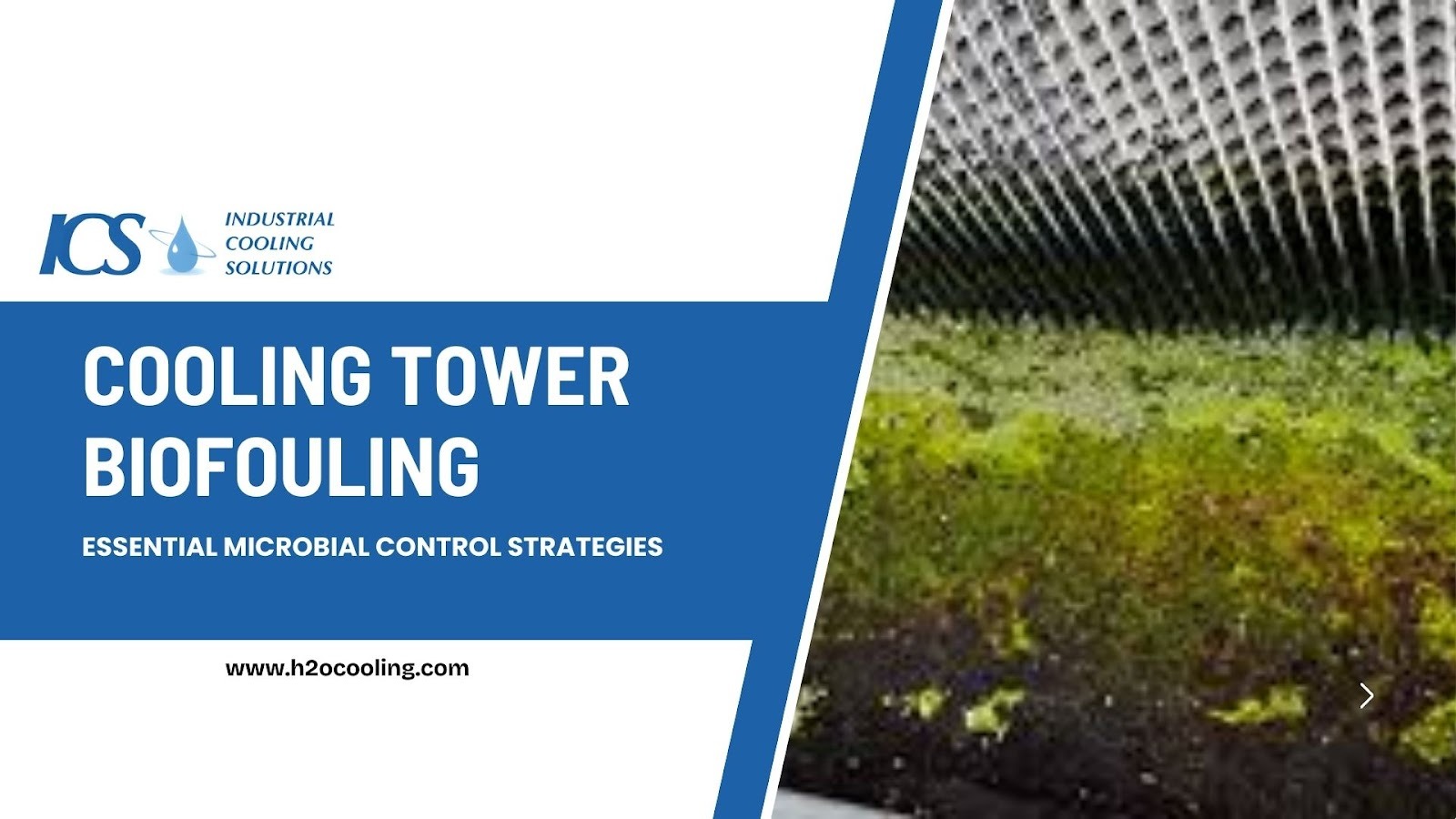
Water efficiency is the backbone of industrial systems, but lurking within pipes and cooling towers is a hidden menace: biofouling. This isn’t just about keeping things clean—cooling tower biofouling can wreak havoc on your operations. From reducing heat transfer efficiency to accelerating equipment corrosion, unchecked microbial growth poses serious risks to operational stability.
The result? Higher energy costs, unexpected downtime, and expensive repairs. But don’t worry, there are proven strategies to combat this common industrial threat.
In this guide, we’ll uncover the causes behind biofouling, the risks it brings, and the most effective ways to keep your cooling towers and systems running efficiently.
What Is Cooling Tower Biofouling?
Cooling tower biofouling refers to the accumulation of biological material on system surfaces. It starts with free-floating microorganisms known as planktonic bacteria. These organisms attach to surfaces and secrete a sticky substance. This creates a protective layer called biofilm.
Common culprits include:
- Bacteria, algae, and fungi: These thrive in the warm, wet environment of the cooling tower.
- Planktonic bacteria: These float freely in the water.
- encouragesBiofilm: This is the real danger. It's a slime layer that protects bacteria from chemical treatments, allowing them to multiply rapidly.
Causes of Microbial Growth in Cooling Towers
Several factors converge to create the perfect storm for biology to thrive. Understanding these triggers allows facility managers to predict and prevent outbreaks before they occur.
- Warm operating temperatures: Most bacteria thrive in the exact temperature ranges found in standard cooling loops.
- Sunlight exposure encourages algae growth: Open basins allow light to enter, which rapidly accelerates algae photosynthesis and growth.
- Organic matter and nutrients in makeup water: Makeup water often introduces organic matter that serves as food for microbial colonies.
- Stagnant zones and poor water circulation: Areas with poor circulation allow bacteria to settle and attach to surfaces undisturbed.
- Inadequate water treatment programs: Skipping chemical doses or using the wrong biocides gives microbes a chance to establish defenses.
Problems Caused by Cooling Tower Biofouling
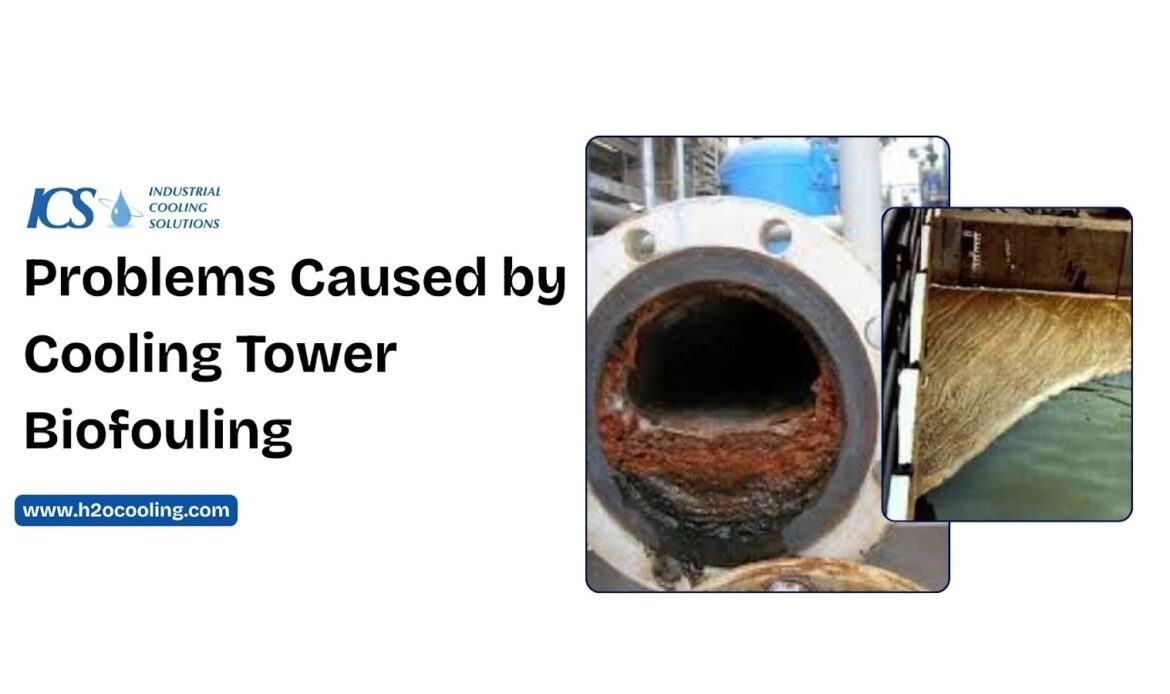
The consequences of ignoring biological growth in new cooling towers extend far beyond simply having dirty water. When biofilms establish themselves, they can cause immediate and long-term damage to your operations.
- Reduced heat transfer efficiency: Biofilms insulate heat exchange surfaces better than calcium carbonate scale, crippling cooling capacity.
- Increased energy consumption: Fans and pumps must work harder to overcome resistance and maintain temperatures, driving up utility bills.
- Blocked pipes, nozzles, and heat exchangers: Thick masses of algae and slime clog spray nozzles and fill media, restricting water flow.
- Microbiologically influenced corrosion (MIC): Bacteria release acids that eat through metal surfaces, causing rapid equipment failure.
- Health and safety risks associated with pathogenic bacteria: Systems become breeding grounds for dangerous pathogens like Legionella, posing severe liability risks.
Chemical Treatment Methods for Biofouling Control
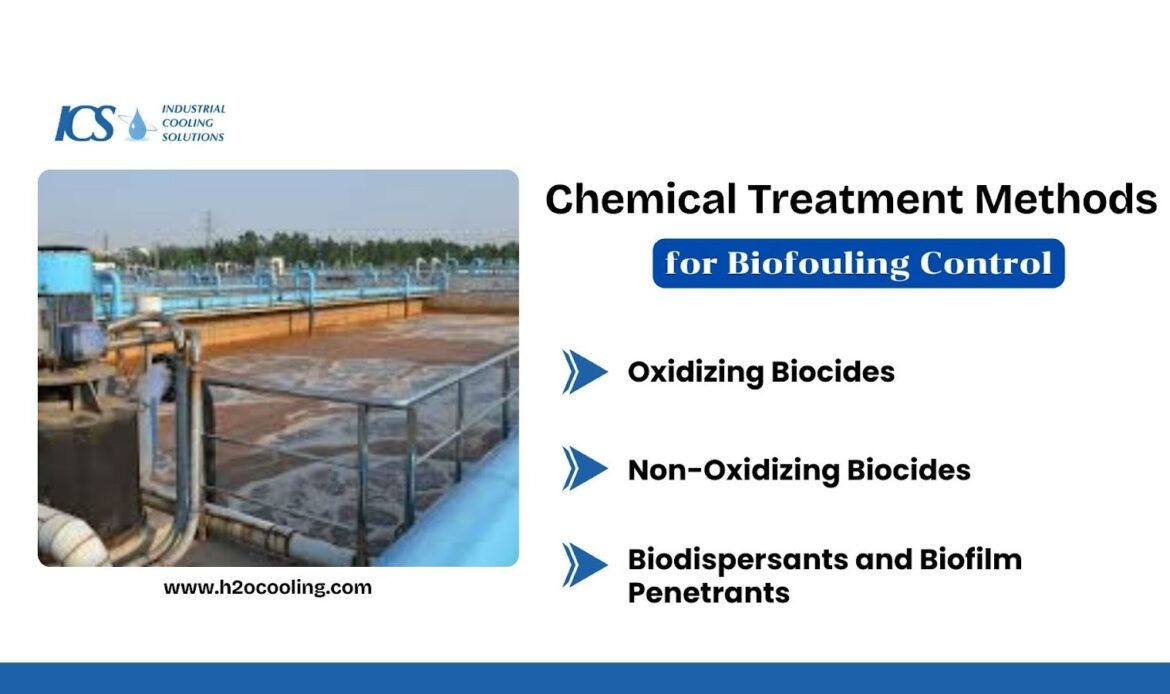
Oxidizing Biocides
Oxidizing biocides act as the primary defense in cooling water systems, utilizing a high reduction-oxidation potential to physically destroy microbial cell walls. By effectively "burning" through organic matter, these chemicals prevent the initial attachment of bacteria that leads to complex biofilm development.
To maximize the performance of an oxidizing program, consider the following technical factors:
- Broad-Spectrum Efficacy: Oxidizing biocides like chlorine and bromine deliver a rapid kill across a wide spectrum of microbes, including bacteria, algae, and fungi. This makes them highly effective for treating large volumes of water quickly.
- Residual Monitoring: To ensure continuous protection throughout the entire cooling system, it's crucial to maintain a consistent "free residual" concentration. For example, a free chlorine residual is typically kept between 0.1 to 0.5 ppm to prevent microbial growth at the farthest points of the loop.
- pH Sensitivity: The effectiveness of oxidizing biocides is heavily influenced by pH. Chlorine, for instance, becomes less effective as pH levels rise above 8.0. In such alkaline conditions, bromine or chlorine dioxide is often a better alternative because they remain stable and potent.
- Managing Biocide Demand: The presence of high organic material in the water can consume the oxidizer before it has a chance to kill the target microbes. This "demand" may require higher initial dosages or pre-treatment steps like filtration to ensure the biocide remains effective.
Non-Oxidizing Biocides
Non-oxidizing biocides are highly effective at targeting organisms within biofilm matrices by disrupting their metabolism or reproduction. To ensure their effectiveness, proper usage is essential. Key considerations for their application include:
- Biofilm Penetration: They effectively pierce the protective EPS (slime) layer to reach the bacteria beneath.
- Dosing Strategy: They are typically applied in intermittent "shock doses" rather than continuous feeds to maximize impact.
- Resistance Management: It is vital to rotate different chemical classes to prevent microbial resistance.
Common Examples:
- Isothiazolinones: Broad-spectrum and effective at low concentrations.
- Glutaraldehyde: A rapid-acting biocide often used for heavy infestations.
- Quaternary Ammonium Compounds (Quats): Surface-active agents that disrupt cell membranes.
- DBNPA: Known for its extremely fast kill rate and quick degradation into non-toxic components.
Biodispersants and Biofilm Penetrants
Biocides sometimes fail to manage cooling tower biofouling because they cannot reach the bacteria shielded by slime. Biodispersants solve this problem by breaking down the biofilm structure, loosening sticky deposits, and dispersing them into the bulk water.r.
This exposes the bacteria to the oxidizing or non-oxidizing biocides in the system. Combining dispersants with your biocide program significantly improves the kill rate.
Non-Chemical and Physical Control Methods
Chemicals aren't your only line of defense. Integrating mechanical and physical technologies provides a multi-layered approach that can often reduce chemical dependency while increasing the reliability of your water treatment program.
By utilizing these physical barriers and disruptors, you can tackle contamination at the source, removing the nutrients that fuel bacterial growth and neutralizing microorganisms that may have developed chemical resistance.
- Side-stream filtration to reduce microbial nutrients: This removes suspended solids and organic nutrients that feed bacterial populations.
- Ultraviolet (UV) disinfection systems: UV light disrupts the DNA of microorganisms, effectively sterilizing water as it passes through the chamber.
- Ozone treatment for microbiological contamination: Ozone is a potent oxidant that kills bacteria on contact and breaks down organic waste.
- Copper-silver ionization as an antimicrobial solution: Positively charged ions bond to cell walls, disrupting their intake of nutrients and killing the cell.
- Advantages and limitations of non-chemical approaches: These methods reduce chemical handling but often require cleaner water to function effectively.
Water Quality Management for Biofouling Prevention
Managing cooling tower water quality is key to preventing biofouling and maintaining system efficiency. By controlling chemical balance, nutrient levels, and contaminants, you can greatly reduce the risk of biological growth.
Here are some key practices to maintain optimal water quality:
- Maintain chemical balance by regularly monitoring and adjusting pH and conductivity levels.
- Minimize biofouling by reducing dissolved solids and organic carbon in the water.
- Schedule routine blowdowns to remove concentrated impurities and contaminants.
- Incorporate effective filtration systems to remove particles that promote bacterial growth.
Operational and Design Best Practices
Good design choices and operational habits significantly reduce chemical consumption. Simple adjustments to the physical environment make it harder for microbes to survive.
- Eliminating dead zones and stagnant areas: Ensure piping allows for constant flow so bacteria cannot settle in stagnant corners.
- Proper water distribution and flow design: Uniform water flow prevents dry spots where biofilm tends to accumulate.
- Reducing sunlight exposure in basins: Install covers on distribution decks to block the light that algae need to survive.
- Regular mechanical cleaning and inspections: Schedule mechanical cleaning to physically remove slime and sludge that chemicals cannot dissolve.
- Maintenance scheduling for long-term biofouling control: Adhere to a strict timeline for inspections to ensure no part of the system is neglected.
Conclusion
Biological contamination is a persistent threat to the efficiency of industrial cooling systems. Left unchecked, biofouling can lead to equipment failure, costly downtime, and significant health hazards. Implementing a robust strategy for cooling tower biofouling control is crucial for maintaining operational safety and performance.
By focusing on preventative measures such as consistent water treatment, regular mechanical cleaning, and diligent inspections, you can protect your system from the insulating effects of biofilm and sludge buildup. This proactive approach ensures optimal heat transfer, reduces energy consumption, and extends the lifespan of your equipment.
Don't wait for performance to decline. For expert cooling tower repair and maintenance services, contact the specialists at ICS today to protect your investment.
Frequently Asked Questions (FAQs)
What is cooling tower biofouling?
Biological fouling occurs when microorganisms grow and form biofilms on cooling tower surfaces, reducing efficiency and increasing maintenance risks.
How does biofouling affect cooling tower efficiency?
Biofilms act as insulation, reducing heat transfer and forcing the system to consume more energy.
What is the best antimicrobial treatment for cooling towers?
Effective control usually requires a combination of oxidizing and non-oxidizing biocides tailored to system conditions.
Can biofouling be prevented completely?
While it cannot be fully eliminated, proper water treatment, monitoring, and maintenance can keep it under control.
How often should microbial testing be performed?
Routine testing should be performed regularly to detect early signs of microbiological contamination.