


Facility management in 2026 demands a shift in perspective. A precise and effective cooling tower maintenance checklist is now essential for ensuring long-term equipment reliability and operational efficiency. The ICS Engineering Standard advocates for Predictive Lifecycle Management rather than simple reactive repairs. Cooling towers are not just mechanical boxes; they are the lungs of your HVAC systems. When they fail, the entire facility suffers.
A significant efficiency gap exists in many industrial settings. Poor maintenance can increase energy consumption by 15-20%. This inefficiency drains operational budgets quickly. We define the scope of this guide as a robust facility management protocol for commercial and industrial cooling. This post will serve as your comprehensive roadmap to keeping your equipment running at peak efficiency.
The Critical Risks of Maintenance Neglect
Neglecting your cooling tower carries severe consequences. These risks extend beyond simple mechanical failures.
Operational Failure
Scale buildup and corrosion devastate the heat transfer efficiency of your system. When water cannot cool down effectively, the compressors work harder. This leads to costly breakdowns and reduced efficiency across the entire plant.
Health & Safety (ASHRAE 188 Compliance)
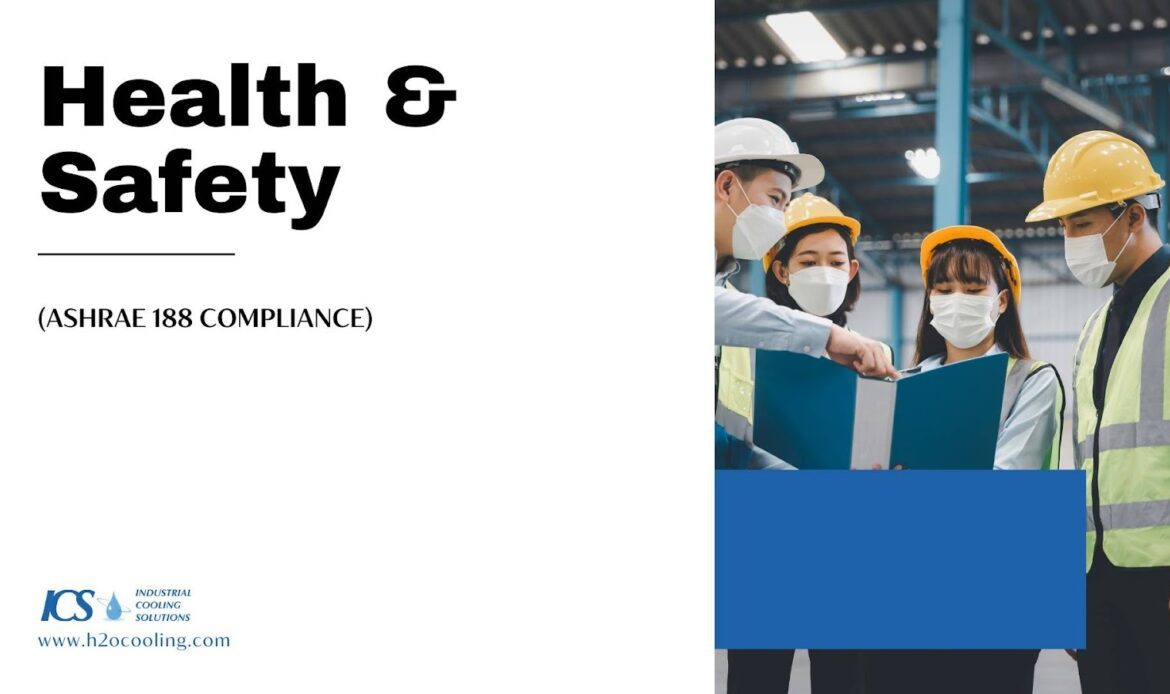
Managers must address the legal and ethical imperative of Legionnaires' disease prevention. Warm, stagnant water promotes bacterial growth. Microbial contamination poses a lethal risk to building occupants. Adhering to ASHRAE 188 standards is not optional; it is essential for public safety.
Financial Impact
Preventative maintenance is a low-cost investment compared to emergency repairs. A scheduled downtime costs significantly less than a catastrophic structural failure. Emergency structural reconstruction destroys budgets. A solid preventive maintenance schedule protects your bottom line.
Tiered Cooling Tower Maintenance Checklist
We have consolidated a scannable resource for facility managers below. Use this Cooling Tower Maintenance table to organize your team and ensure no task slips through the cracks.
| Frequency | Component / Area | Action Required |
| Daily | Water Quality | Check TDS, pH, and Conductivity levels. Consistent monitoring prevents scale and corrosion. |
| Daily | Visual Walkthrough | Inspect for leaks, unusual noise, or high vibration. This is a key part of routine inspection procedures. |
| Weekly | Mechanical Drive | Inspect fan belts, pulleys, and motor amperage. Ensure the fan motor operates within safe limits. |
| Monthly | Distribution System | Clean spray nozzles and check for even distribution. Clogged nozzles disrupt the spray pattern. |
| Monthly | Sump/Basin | Inspect clarity and clean suction screens/strainers in the cold water basin. Remove debris to maintain flow. |
| Quarterly | Heat Transfer Core | Inspect fill pack and drift eliminators for scale or clogs. This preserves the heat exchange capabilities. |
| Semi-Annual | Biological Clean | Perform full system disinfection according to OSHA/ASHRAE standards. This controls algae and bacterial growth. |
| Annual | Structural Audit | Inspect mounting bolts, tower casing, and perform an oil change. Tighten any loose components. |
Deep-Dive: Best Practices for Component Optimization
A checklist is only the beginning. You must understand how to optimize each component for longevity.
The Mechanical Drive Train
The drive train drives the cooling process.
- Vibration Analysis: Use vibration analysis as a predictive tool. It reveals issues in the fan blade hub or drive shaft before they cause failure.
- Lubrication: Ensure fan shaft bearings and gearboxes are properly lubricated. Check oil levels and look for oil leaks around oil plugs. Lack of lubrication causes excessive heat and friction.
- Balancing: Missing balancing weights on fan blades creates dangerous vibrations. Inspect these during every major service.
Water Chemistry & Distribution
Water acts as the lifeblood of the system.
- Bleed Water Valves: The bleed water valve plays a critical role in managing cycles of concentration. It removes mineral-heavy water before scale forms.
- Chemical Dosing: Automated chemical dosing systems outperform manual testing significantly. They maintain precise biocide levels to stop microbial contamination.
- Spray Nozzles: Clogged spray nozzles create dry spots on the fill pack. This reduces the cooling capacity. Verify the spray pattern covers the entire surface area.
The Heat Exchange Surface (The "Rain Zone")
This area facilitates the actual heat transfer.
- Descaling: You must descale the fill media carefully. Harsh chemicals damage FRP or wood structures. Use techniques that clean effectively without harming the material.
- Drift Eliminators: These components stop water droplets from escaping the tower. Broken tower drift eliminators lead to excessive water loss and potential health hazards.
Innovations in 2026: The "Smart" Cooling Tower
Technology transforms how we maintain large commercial buildings.
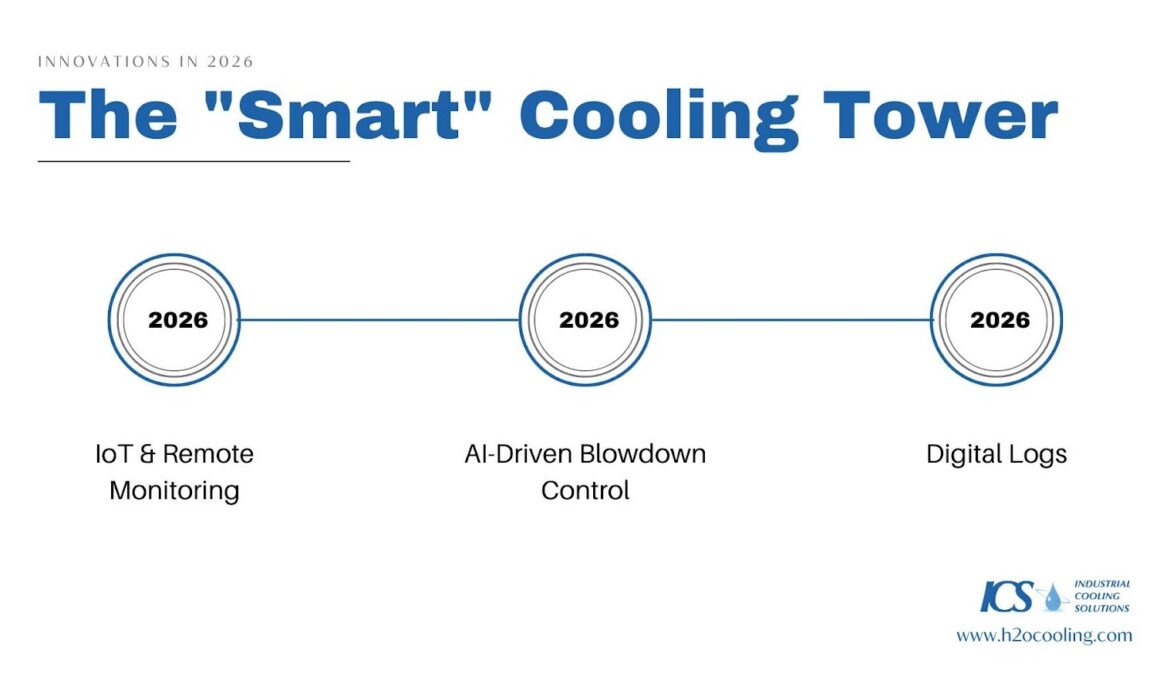
- IoT & Remote Monitoring: Modern towers integrate sensors for real-time temperature and vibration alerts. You receive data instantly, allowing for immediate reaction.
- AI-Driven Blowdown Control: New algorithms manage the blowdown system. They maximize water cycles and reduce waste better than static timers.
- Digital Logs: Move away from paper. Use CMMS (Computerized Maintenance Management Systems) for better auditing and tracking maintenance tasks.
Troubleshooting Common Performance Issues
Even with a perfect plan, issues arise. Here is how to solve them.
- Symptom: High discharge temperature.
- Solution: Audit airflow and nozzle spray patterns. Ensure fan blades are pitched correctly, and air intake is not blocked.
- Symptom: Foaming in the basin.
- Solution: This usually indicates an organic overload. Adjust biocide and organic load treatments in the tower basin immediately.
- Symptom: Excessive drift loss.
- Solution: Reposition or replace damaged drift eliminator segments. Ensure they fit tightly to stop escaping mist.
Conclusion: Elevating Your Facility Standards
Implementing this cooling tower maintenance checklist provides clear benefits. You extend the life of your equipment, reduce energy costs, and ensure safety compliance. Do not wait for a breakdown to act.
The ICS Advantage lies in professional engineering audits. These audits serve as the final step in a perfect maintenance plan. They verify that your internal team performs tasks correctly and that the system operates at peak efficiency.
Take control of your facility today.
Frequently Asked Questions (FAQs)
What is a cooling tower maintenance checklist?
A cooling tower maintenance checklist is a structured guide outlining essential tasks like inspections, cleaning, and repairs to ensure the cooling tower operates efficiently and safely.
Why is cooling tower maintenance important?
Proper cooling tower maintenance prevents corrosion, reduces energy costs, extends equipment lifespan, and ensures compliance with health and safety standards like ASHRAE 188.
How often should cooling tower components be inspected?
Cooling tower components like fan blades, drift eliminators, and water quality should be inspected daily, weekly, monthly, or annually, depending on the maintenance schedule.
What are common issues in cooling tower systems?
Common issues include scale buildup, microbial contamination, oil leaks, and reduced efficiency due to clogged spray nozzles or damaged drift eliminators.
How can I improve cooling tower efficiency?
Regular maintenance tasks like cleaning the cold water basin, inspecting fan motors, and optimizing the blowdown system can significantly improve cooling tower efficiency.