

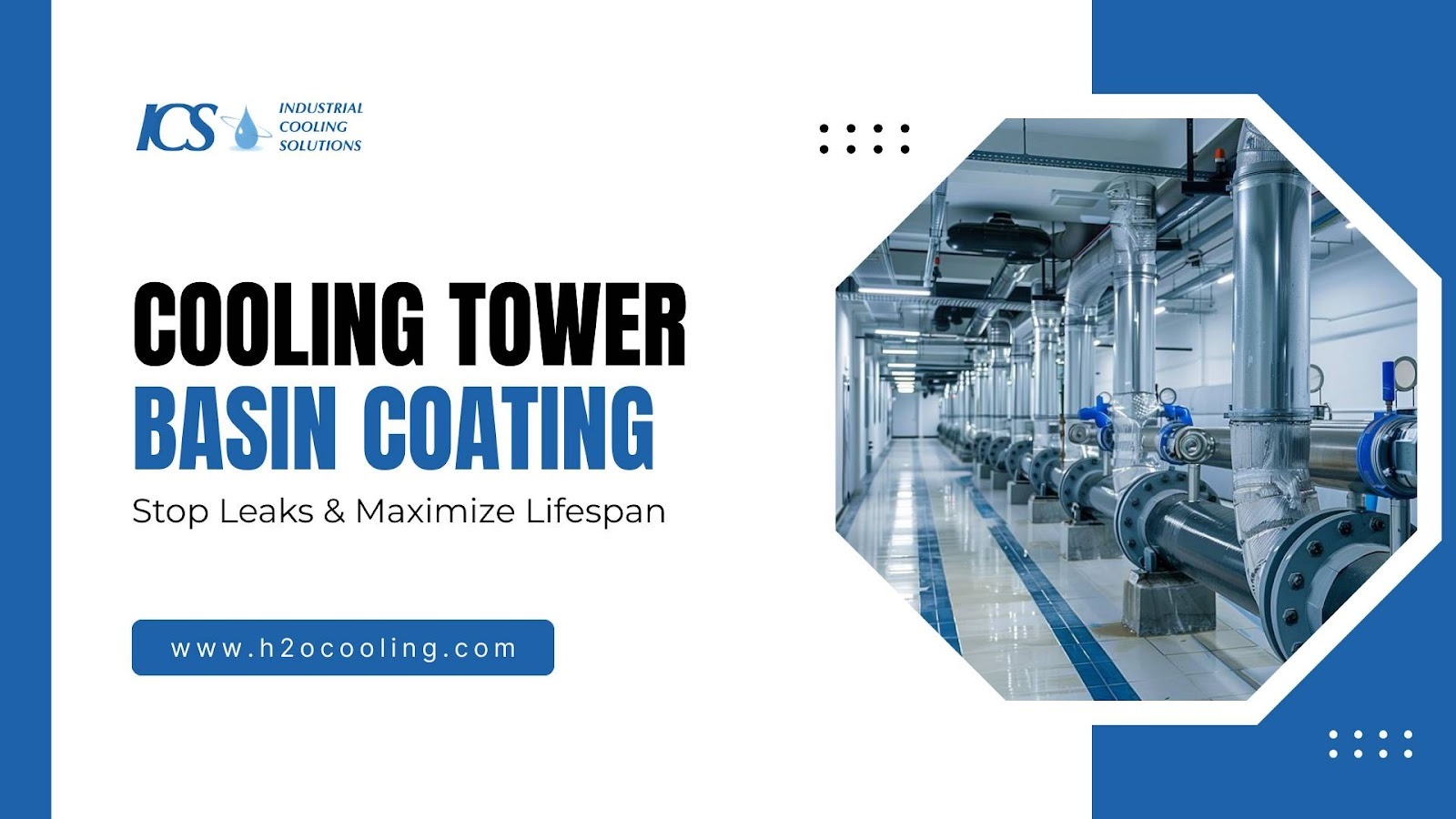
A failing cooling tower basin poses major financial, operational, and health risks. Structural damage and coating failure can cause emergency shutdowns, water and chemical loss, and reduced cooling efficiency that increases energy costs. Worse, a compromised basin creates the conditions for harmful bacteria such as Legionella to thrive.
Proper cooling tower basin coating is your first and best defense. Investing in expert basin coating and repair is essential for reliable performance, lower costs, and asset protection.
Unveiled: The Top 7 Secrets to a 30-Year Basin
A cooling tower basin can last for decades with the right strategy. Precise engineering, proper surface preparation, and high-quality coating systems are critical. Most quick fixes fail fast and cause repeated issues and costs.
The following seven secrets target the main causes of basin failure, revealing proven methods to maximize cooling tower basin coating lifespan and durability.
The Abrasive Truth
Premature failure of cooling tower basin coatings is usually due to poor surface preparation. Without it, coatings can't bond, leading to blistering and rapid deterioration. Proper abrasive blasting is essential for lasting durability and protection.
Effective surface preparation has two key steps: abrasive blasting to a near-white metal finish (SSPC-SP 10/NACE No. 2) for optimal adhesion, and applying a Zinc-Rich Primer (ZRC) to steel basins for added corrosion protection. These practices are essential for long-lasting cooling tower basin coating performance.
Rebuild or Fail (The Structural Mandate)
Never coat over damaged or weakened metal or concrete. Coatings alone can't restore structural strength and will only hide problems, letting damage worsen and risking failure.
Before coating, restore the basin’s structure with high-strength repair compounds for minor damage. For severe issues, use steel plate bonding or carbon fiber reinforcement. This step is critical for lasting protection and maximum ROI.
The Chemical Barrier (Material Selection)
Standard epoxy or polyurethane coatings often fail in harsh industrial cooling tower basins. High acid or caustic levels quickly break down basic coatings. For long-term success, always select advanced basin coating materials designed for your specific chemical and thermal environment.
In demanding industrial settings, only specialized cooling tower basin coatings deliver long-term resistance and protection. Matching advanced coating materials to your chemical and thermal conditions is essential for maximizing service life.
- Novolac Epoxy Coatings: Offer superior resistance to a wide range of acids and chemicals, making them ideal for many processing plants.
- Vinyl Ester Coatings: Provide the highest level of chemical and temperature resistance, suitable for extreme environments with high-concentration acids and solvents.
Bio-Armor for Health and Efficiency
MIC leads to fast cooling tower basin coating failure by allowing bacterial biofilm to attack from beneath, causing pitting and corrosion. Anti-microbial coatings prevent biofilm, extending basin lifespan and preserving protection.
For effective cooling tower basin protection, always choose anti-microbial coatings. These products contain biocides that actively prevent biofilm and bacterial growth on basin surfaces. Anti-microbial coatings extend coating life, improve thermal efficiency by stopping biofilm buildup, and reduce health risks from bacteria such as Legionella.
The pH Rescue for Concrete Defense
Low pH in concrete cooling tower basins leads to loss of strength, spalling, and rapid deterioration. Addressing low pH is vital for any successful cooling tower basin coating strategy.
Protect concrete basins by first neutralizing the surface for proper pH. Then, apply a high-build, low-permeability coating to block water intrusion and resist chemical attack, preserving strength and extending service life.
The Curing Climate
Proper application conditions, temperature, and humidity are vital for cooling tower basin coating performance. Coatings applied outside recommended ranges may not cure fully, risking poor adhesion and early failure.
Precise environmental control is vital for proper curing of cooling tower basin coatings. Maintain the recommended temperature and humidity with dehumidifiers and heaters during application. This ensures strong adhesion, full chemical resistance, and long-term protection.
The Flexible Joint
Leaks usually begin at seams and joints, where stress and movement cause cracking. Standard fillers do not last. For lasting leak prevention, use flexible, high-movement elastomeric compounds that create a durable, watertight seal.
Flexible elastomeric compounds seal seams and joints, preventing leaks and maintaining the basin’s integrity. This ensures long-lasting protection and optimal cooling tower performance.
Understanding Your Defense: A Technical Guide
Selecting the right cooling tower basin coating system is critical for long-term protection, durability, and performance.
The table below compares top coating and lining solutions, helping you choose the best option for your cooling tower basin. Understanding specific coating types and their applications ensures lasting defense against corrosion, leaks, and chemical attack.
| System Type | Typical Thickness | Durability | Key Application |
| Epoxy Coating | 0.3mm - 1mm | Good | General-purpose protection in pH-neutral water. |
| Novolac Epoxy | 0.5mm - 1.5mm | Very Good | Resistance to acids, caustics, and chemicals. |
| Vinyl Ester | 1mm - 3mm | Excellent | Extreme chemical and high-temperature environments. |
| GRP Lining | 3mm - 6mm | Structural | Rebuilding basins with severe, irreversible damage. |
Structural vs. Coating: When GRP Is the Only Answer
For severe cooling tower basin damage, GRP structural lining is the best solution. GRP creates a tough composite layer inside the existing basin, restoring strength and stopping leaks. It delivers 15 to 25 years of reliable, long-term protection against corrosion and concrete degradation.
The Financial ROI of a Proactive Strategy
Investing in high-quality cooling tower basin coating and professional repair brings fast, measurable return on investment.
This approach prevents costly leaks, reduces operating expenses, boosts efficiency, and extends equipment life well beyond standard maintenance methods.
Key Benefits of a Well-Maintained Basin
- Reduced Costs: Eliminating leaks stops the constant loss of expensive treated water and chemicals.
- Restored Efficiency: A clean, smooth basin surface prevents biofilm buildup, improving heat transfer and restoring operating efficiency.
- Lower Energy Use: Better efficiency means the system works less hard, directly reducing energy consumption.
- Minimal Downtime: Modern, rapid-cure coating systems allow for a fast return to service, minimizing costly operational downtime.
- Extended Service Life: A properly protected basin can last for decades, deferring millions of dollars in capital replacement costs.
Industry Improvement Through Perfect Basins
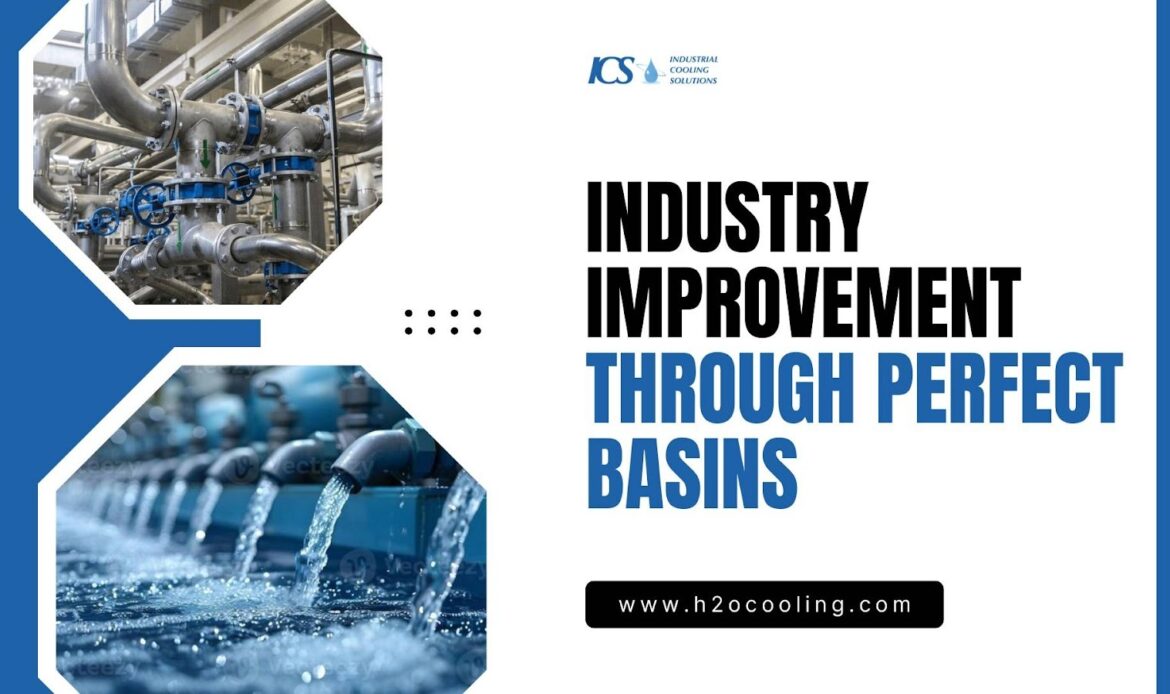
Power generation, chemical processing, and data centers require maximum reliability. Proper cooling tower basin maintenance prevents downtime, safeguards crucial systems, and maintains top operational performance.
- Power Generation: Unplanned outages mean lost revenue and potential grid instability.
- Chemical Processing: A leak can lead to environmental hazards and production shutdowns.
- Data Centers: Continuous cooling is non-negotiable. An overheating event caused by cooling failure can lead to catastrophic data loss and system failure.
Total Tower Integrity: Why the Basin Is Just the Beginning
A reliable cooling tower depends on more than just a well-coated basin. Total tower integrity means addressing corrosion, leaks, and wear across all components, not just the basin. Implementing a comprehensive cooling tower maintenance plan, including structural repairs and coating solutions, protects your entire system.
This holistic approach extends equipment life, reduces downtime, and ensures peak performance for every part of your cooling tower.
Repairing Worn Mechanical Components
Repairing worn mechanical components, such as corroded fan shafts, hubs, and eroded fan blades, is crucial for cooling tower efficiency and reliability.
Applying advanced industrial coatings and metal rebuild compounds restores these parts, reduces vibration, and improves aerodynamic performance.
Targeted repairs help prevent mechanical failures, extend equipment life, and maintain optimal cooling tower operation.
Conclusion: From Vulnerable Basin to Invincible Core
A cooling tower basin does not need to remain a weak point or costly maintenance issue. By using proven engineering methods and advanced cooling tower basin coating technology, you transform your basin into a durable, high-performance core. Applying these seven cooling tower coating secrets increases lifespan, improves efficiency, and boosts reliability for years to come.
Ready to end costly repairs and safeguard your cooling tower assets for the long term? Evaluate your cooling tower basin with a trusted expert in cooling tower basin coating and structural solutions with H2O Cooling. Get a comprehensive assessment and discover how you can achieve maximum lifespan, reduce leaks, and boost efficiency with the right strategy.
Frequently Asked Questions
Why is cooling tower basin coating important?
A proper basin coating prevents leaks, stops corrosion, and protects the structural integrity of your cooling tower. This ensures maximum operational efficiency and prevents costly downtime.
How long does a basin coating last?
The lifespan depends on the coating type and operating conditions. A professionally applied, high-performance coating system can last 10-15 years or more, while structural GRP linings can last up to 25 years.
What is the most common cause of coating failure?
Poor surface preparation is the number one cause of premature failure. Without proper abrasive blasting to create a clean, profiled surface, the coating will not adhere correctly, leading to peeling and blistering.
Can you coat over a damaged or leaking basin?
No. Never apply a coating over a compromised surface. All structural damage, corrosion, and active leaks must be repaired first. A coating is a protective layer, not a structural solution.
What type of coating should I use?
The right coating depends on your water chemistry and operating environment. While standard epoxies work in some cases, industrial settings with aggressive chemicals often require specialized materials like vinyl esters or anti-microbial coatings for long-term protection.