Every catastrophic system failure starts as a small, ignored warning sign. For facility managers, a cooling tower that seems “good enough” can quickly become a major liability.
Minor issues, if left unchecked, can escalate into emergency repairs, leading to expensive downtime and lost production. Ignoring these symptoms costs exponentially more than preventative maintenance.
This guide provides a clear diagnostic framework for facility managers by outlining the key Signs of Cooling Tower Failure. It categorizes the five critical signs into three groups: Mechanical, Thermal, and Structural.
By understanding these indicators, you can identify cooling system problems early, connect them to the specific cooling tower maintenance service needed, and prevent a minor issue from becoming a major disaster
Category 1: Mechanical Stress and Impending System Failure
Mechanical cooling tower components are the heart of your cooling tower. When they show signs of stress, the entire system is at risk. Vibration and unusual energy consumption are two of the most direct indicators that your drivetrain is in jeopardy.
A. Excessive Vibration
Excessive vibration is often the first and most audible warning that your cooling tower parts are under mechanical distress. It’s a clear signal that something is wrong with the rotating components, such as the fan, driveshaft, or gearbox. Think of it as the cooling tower’s way of crying out for help before a more serious failure occurs.
- The Sign: You may notice unusual grinding, rattling, squealing, or high-frequency sounds emanating from the mechanical components. In some cases, you might even see visible shaking or wobbling on the fan deck or feel tremors through the tower structure itself.
- The Cause: This often points to a misaligned driveshaft, worn-out bearings, an unbalanced fan, or impending gearbox failure. Each of these issues puts immense strain on the system.
- The Consequence: Ignoring these warning signs can lead to immediate and catastrophic failure of the motor, driveshaft, or fan system. This doesn’t just mean a complete system shutdown; it can also cause significant damage to the cooling tower’s internal structure, leading to prolonged downtime and costly, extensive repairs that go far beyond the initial problem.
A problem of this magnitude requires professional vibration analysis to pinpoint the source. Precision mechanical repair is necessary to correct the imbalance and prevent a costly breakdown.
B. Increased Motor Amp Draw (Unexpected Energy Spike)
Have you noticed your motor is suddenly consuming more power? An unexpected spike in energy use is a clear sign of trouble and could indicate underlying mechanical issues. Ignoring these warning signs can lead to bigger problems down the line.
Increased energy consumption is just one of the common signs of cooling tower failure, alongside unusual noises, reduced cooling efficiency, or visible wear and tear.
The Sign:
- Identifying issues with your motor early can prevent costly downtime and repairs. Here are some common warning signs to watch for:
- Motor pulls significantly more power than its normal operating baseline, clearly visible on your control panel.
- Frequent tripping of circuit breakers or overload protection.
- Noticeable decrease in cooling tower performance, even though the motor is running.
- Unusual humming or straining noises from the motor when under load.
The Cause:
This spike is usually due to excessive mechanical friction from bad bearings, worn fan belts that cause slippage, or incorrect fan pitch, which forces the motor to work harder.
The Consequence:
- Increased Energy Consumption: Your energy bills will immediately climb as the motor draws more power to compensate for the added strain.
- Reduced Motor Lifespan: The constant struggle accelerates wear and tear on the motor, significantly shortening its operational life.
- Motor Burnout Risk: Prolonged excessive strain can lead to catastrophic motor failure, resulting in complete burnout.
Category 2: Thermal Failure and Overheating
A cooling tower’s primary job is to remove heat, a critical function for maintaining optimal temperatures across your entire operation. When thermal performance fails, it impacts your entire facility, risking operational stability and product quality.

Overheating is the undeniable alarm bell, signaling that your tower’s efficiency is dangerously compromised, potentially leading to reduced production, increased energy consumption, and premature equipment wear on downstream machinery.
A. High Approach Temperature (The Overheating Signal)
Is your cooling tower struggling to cool your process fluid effectively? A high approach temperature is a direct symptom of thermal underperformance.
The Sign:
The approach temperature, which is the difference between the cold water leaving the tower and the ambient wet bulb temperature, is a clear sign of cooling tower failure when it widens. A large gap indicates that your tower is struggling to meet its cooling capacity.
- Higher than expected cold water temperature leaving the tower.
- Increased energy consumption by cooling tower fans and pumps is being attempted to compensate for.
- Frequent alarms or shutdowns of temperature-sensitive downstream equipment.
The Cause:
This is often caused by fouled fill media, where scaling or biofilm buildup prevents efficient heat transfer. Damaged or clogged drift eliminators can also contribute to this problem.
The Consequence:
- Decreased production output, impacting overall operational efficiency.
- Increased energy consumption, driving up utility expenses.
- Greater strain on other systems, leading to faster wear and higher maintenance costs.
- Potential equipment downtime due to overheating or system failures.
- Reduced cost-effectiveness and profitability for the facility.
B. Visible Steam or Hot Air Recirculation
Is excessive steam or hot air being drawn back into your cooling tower’s air intake? This phenomenon, known as recirculation, is a clear sign that your tower is working against itself, re-ingesting its own warm, moist exhaust, and likely indicates a need for cooling tower repair to address underlying issues..
The Sign:
Dense steam plumes or persistent fog and mist are visible around the tower. You can feel hot exhaust air being pulled back into the air intake louvers. The area surrounding the tower feels unusually warm and humid.
The Cause:
The root cause frequently lies in factors that disrupt the tower’s designed airflow patterns. This could include structural compromises like a damaged casing, creating unintended pathways for warm exhaust to re-enter the system.
Furthermore, incorrect fan operation, whether an unoptimized speed setting or an improper blade pitch, may fail to generate the necessary pressure and movement to effectively disperse the hot, moist exhaust away from the air intake.
The Consequence:
Recirculation severely reduces the tower’s thermal capacity. The system is forced to work with warmer, more humid air, which drastically lowers its cooling efficiency and drives up energy consumption.
Category 3: Structural Damage and Water Loss
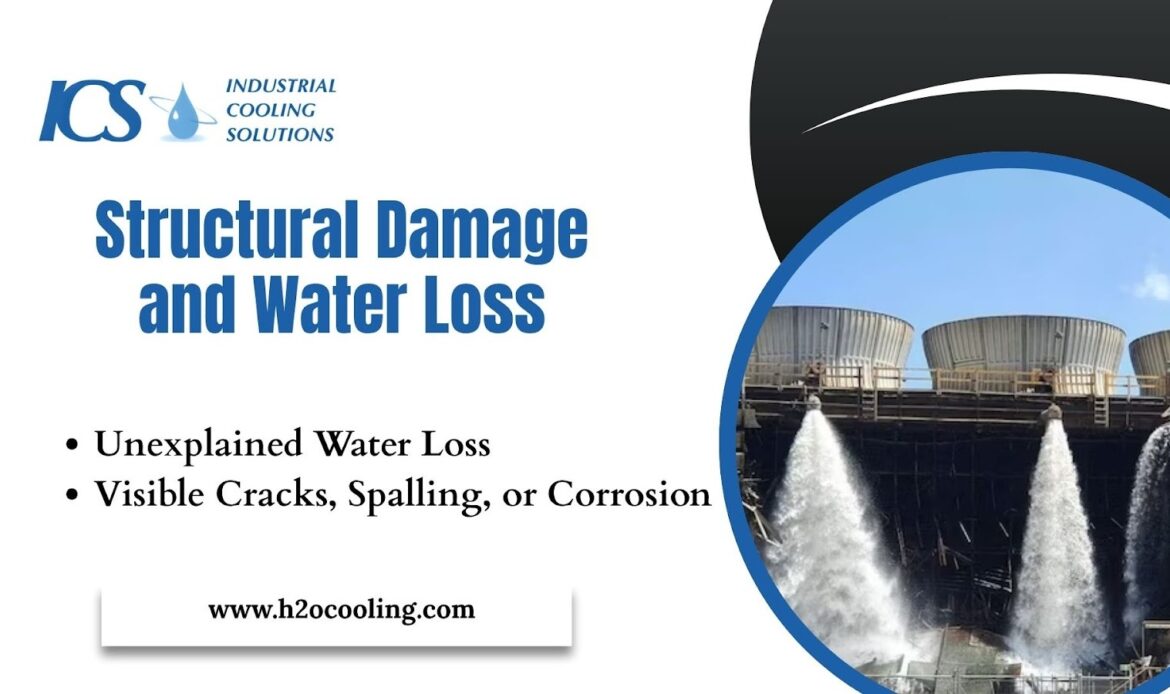
The structural integrity of your cooling tower is essential for its function and longevity, and its condition often provides clear signs that a cooling tower upgrade may be necessary. Leaks and visible decay are immediate indicators that the tower’s envelope is compromised, leading to water loss and an increased risk of structural collapse.
A. Unexplained Water Loss
Is your makeup water valve always running, even when there’s no visible leak? This is a significant red flag indicating a hidden problem that not only wastes water and chemicals but also silently increases your operational costs. If left unaddressed, this constant water loss can put undue stress on the entire system.
The Sign:
The makeup water valve continuously feeds the basin to maintain the water level. This results in high water consumption and increased chemical treatment costs, often accompanied by unexpectedly high water bills or the need for frequent chemical replenishment.
The Cause:
- Basin Leaks: Cracks in the basin, whether due to age, stress, or environmental factors, can allow water to seep out. Similarly, failed seams in the basin’s construction can create pathways for water to escape.
- Damaged Internal Components: Broken or malfunctioning internal spray headers can cause water to be distributed unevenly, leading to spillage or inefficient cooling and, consequently, water loss.
- Drift Eliminator Failure: When drift eliminators are damaged or fail, they can no longer effectively capture water droplets carried by the airflow. This results in excessive “drift,” where water is carried out of the tower as a fine mist, leading to significant water loss over time.
This situation demands specialized leak detection to find the source of the water loss. Structural repairs, such as FRP patching or renewing the basin coating, are often required to fix the problem permanently.
B. Visible Cracks, Spalling, or Corrosion
Are there visible signs of decay on your cooling tower’s structure? Cracks, corrosion, or rust stains could indicate serious underlying issues. Ignoring these warning signs can lead to costly repairs, reduced efficiency, or even irreversible damage. Regular inspections and maintenance are crucial to ensure the longevity and performance of your cooling tower.
The Sign:
- Rust streaks on metal components
- Crumbling concrete (spalling) on the exterior
- Water is pooling around the tower’s base
The Cause:
Visible signs often point to underlying issues that, if ignored, can lead to serious operational problems. The specific causes behind these visual indicators are frequently multifaceted, including:
- Chemical Imbalance: Improper water treatment can lead to corrosion (causing rust) or can be aggressive towards concrete.
- Age-Related Deterioration: Like any structure, cooling towers wear down over time due to constant exposure to the elements and operational stresses.
- Freeze-Thaw Cycles: In colder regions, water that has penetrated concrete or steel can freeze and expand, then thaw. This repeated cycle exerts immense pressure, causing materials to crack and crumble.
The Consequence:
If these structural problems are ignored, the consequences can escalate dramatically. Initially, you might experience localized system failures, disrupting operations and potentially impacting production or HVAC efficiency.
Final Thoughts
Understanding the signs of a failing cooling tower is crucial for any facility manager. These signs can be mechanical, thermal, or structural. Issues like excessive vibration are warnings. Reduced cooling efficiency is a warning. Visible cracks in the structure are warnings. These are not minor inconveniences. They signal a potential large-scale failure.
Ignoring the signs of cooling tower failure can result in operational disruptions, costly emergency repairs, and even catastrophic structural collapse, leading to serious safety and financial risks.
Proactive maintenance is key to preventing these costly scenarios. Don’t wait for a complete system breakdown. If you notice any of these warning signs, it’s time to take action.
Contact H2ocooling for advanced diagnostics and preventative service to ensure your operations continue to run smoothly and efficiently.
Frequently Asked Question
Why is my cooling tower vibrating so much?
Excessive vibration usually comes from misaligned driveshafts, bad bearings, or an unbalanced fan. It indicates mechanical stress that needs immediate inspection.
What happens if a cooling tower fails?
A cooling tower failure leads to overheating, production downtime, equipment damage, higher energy use, and in severe cases, complete system shutdown or structural collapse.
How to troubleshoot a cooling tower?
Check for vibration, unusual noise, high motor amp draw, rising water temperature, steam recirculation, water loss, and visible damage. Inspect fill, fans, belts, bearings, drift eliminators, and basin levels to pinpoint the issue.
What happens if the pH is low in a cooling tower?
Low pH causes corrosion of metal parts, accelerates component failure, and reduces the lifespan of the tower. It can also increase scale, rust, and biological growth if not corrected quickly.
What causes a sudden spike in motor amp draw?
A spike is often caused by worn bearings, slipping belts, or incorrect fan pitch—forcing the motor to work harder and increasing the risk of burnout.
What do cracks or rust on a cooling tower indicate?
Cracks, corrosion, or spalling show structural deterioration caused by chemical imbalance, aging, or freeze-thaw cycles, and they require immediate repair