


Winter is coming for your cooling tower. As temperatures plummet, the risks of ice buildup, cracked pipes, and mechanical failure skyrocket, threatening catastrophic damage and costly downtime.
The most common winter-related issues include structural failure from the weight of accumulated ice, cracked piping due to frozen water, and the seizure of critical mechanical components. Failing to prepare your system can result in thousands of dollars in repairs and extended operational downtime.
Proper winterization is a two-part process. It requires a strategic, methodical shutdown before the cold arrives and an equally careful startup in the spring.
This comprehensive cooling tower winterization checklist provides the expert guidance you need to manage both phases effectively. By following these steps, you will protect your investment, ensure year-round reliability, and avoid costly emergency repairs.
Phase 1: The Mechanical Shutdown (Winterization) Checklist
The first phase of this Cooling Tower Winterization Checklist involves preparing the cooling tower for a period of inactivity during the coldest months. This process is critical for preventing freeze damage and ensuring a smooth return to service.
A. Safety First: LOTO and Access
Before any maintenance begins, how do you ensure the safety of your personnel? The first step is to eliminate any chance of accidental startup.
- Disconnect and Lockout/Tagout (LOTO): Apply LOTO procedures to the fan motor and pump circuits. This action is non-negotiable and serves as the primary safety control.
- Secure Fan Blades: Tie down the fan blades to prevent them from rotating due to wind. Uncontrolled movement can cause injury or damage to the fan assembly.
B. Critical Drainage (The Core Winterization Step)
Where is your cooling tower most vulnerable to freezing? The answer is any area where water can collect. Complete and thorough drainage is the most important step in preventing ice-related damage.
Drain All Water: Completely drain the basin or sump, the main circulating pump, and all exposed piping, including risers and headers.
Expert Tip:
- Don't forget to remove the drain plug from the pump volute. This small, often overlooked step is crucial for ensuring the pump casing doesn't crack if residual water freezes.
- Also, consider blowing compressed air through the piping system after draining to force out any trapped pockets of water in low spots or elbows.
- Verify that all automated fill valves are isolated and drained, as these can easily freeze and fail.
C. Component Preservation and Storage
How can you protect the key mechanical cooling tower parts during the cold season? Proper preservation prevents moisture damage and seizure, ensuring components are ready for spring.
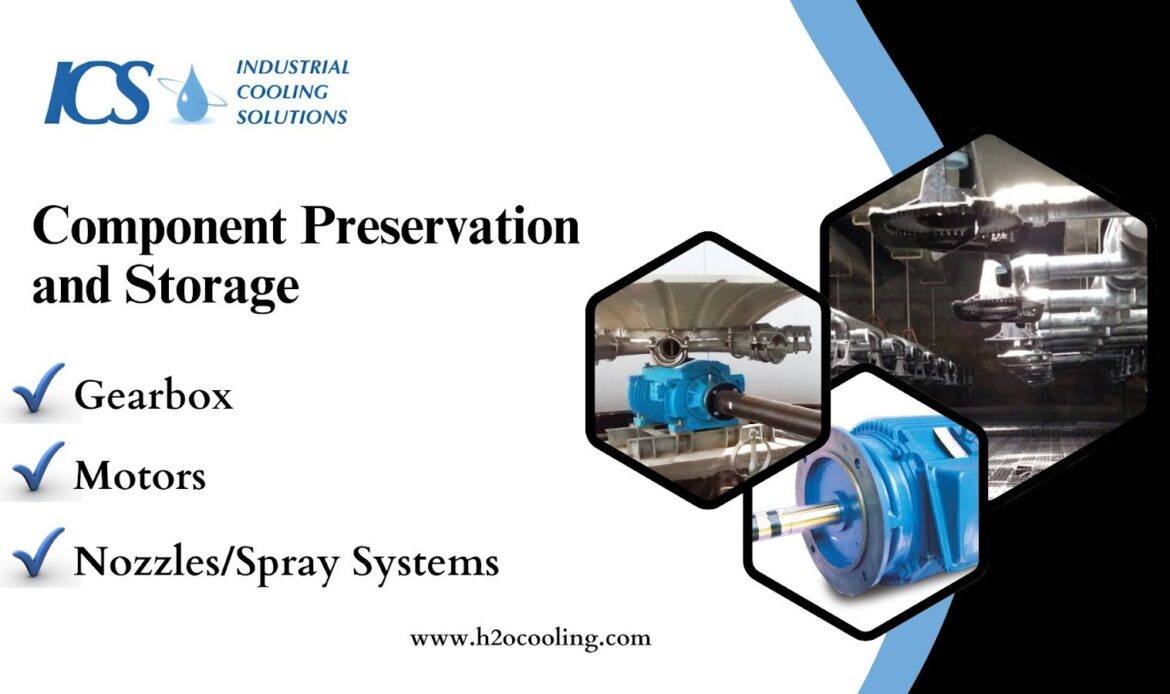
- Gearbox: Check the oil level and clarity. Consider switching to a cold-weather lubricant that maintains its viscosity at lower temperatures for better protection.
- Motors: Protect fan motors from moisture ingress. Use space heaters or wrap them with insulation to keep the windings dry and prevent corrosion.
- Nozzles/Spray Systems: Inspect spray nozzles for any clogs or damage. If possible, remove the nozzles and store them indoors to protect them from cracking due to any trapped, residual ice.
D. Structural and Flow Path Protection
What can you do to allow your system to "breathe" during temperature fluctuations? Allowing for thermal expansion and contraction protects your tower's structural integrity.
- Open Bypass Valves: Open all bypass valves in the system. This practice allows any remaining moisture to expand and contract without building up pressure that could rupture pipes.
- Inspect Fill Material: Check the fill material for any signs of sagging or damage. Proper alignment is crucial for performance and prevents structural stress during freeze-thaw cycles.
- Secure Openings: Inspect and securely fasten all louvers and access doors. This prevents wind, snow, and debris from entering the tower and causing damage.
- Check Basin Integrity: Examine the cold water basin for cracks or leaks. Repair any damage before winter to prevent water from seeping into the foundation and freezing, which can cause significant structural harm.
Phase 2: Protecting Systems on Standby
Some cooling systems cannot be fully shut down for the winter. This section of your Cooling Tower Winterization Checklist addresses how to protect operational or standby towers from freezing temperatures.
A. Freeze Protection Options
If you must keep your tower operational, what are the most effective methods for freeze protection? The key is to keep the water moving and its temperature above the freezing point.
- Basin Heaters: Install electric immersion heaters or steam coils in the tower basin. A thermostat set should manage these to activate when the water temperature nears freezing (e.g., 40°F or 4.4°C). This ensures the water in the sump remains warm enough to prevent ice formation without wasting energy.
- Warm Water Bypass: Implement a bypass line that circulates a small stream of warm water from the return line directly to the tower basin. This method is effective for preventing freezing in the basin and suction lines during short periods of inactivity or low load conditions.
- Increased Water Flow: During operational periods in cold weather, increase the water flow rate through the tower. This keeps the water moving more rapidly, reducing the chance of ice forming on the fill and louvers.
- Two-Speed or Variable Speed Fans: Utilize two-speed or variable frequency drive (VFD) fans as part of your cooling tower maintenance routine. Operating fans at lower speeds reduces air-to-water heat exchange, helping to maintain higher water temperatures and prevent overcooling. During extreme cold, you can even cycle the fans off briefly, as long as water continues to circulate.
B. Chemical Adjustments
Even when a tower is on standby, the water inside remains a risk. It is essential to remember that a proper chemical treatment plan is a non-negotiable part of any cooling tower winterization checklist.
- Consider specialized anti-freeze solutions: For extreme conditions, explore adding food-grade glycol or other suitable anti-freeze agents to prevent freezing and cracking within pipes and basins.
- Don't forget biocides: Even in colder temperatures, stagnant water can promote bacterial growth. Ensure a biocide is applied to prevent microbial contamination and biofilm formation during downtime.
- Regular chemical testing: Even in standby, periodic checks of chemical levels are crucial. Adjust dosages as needed to maintain optimal protection against corrosion and scaling.
Phase 3: Spring Startup Procedures (The 5-Step Revival)
After a long winter, bringing your cooling tower back online requires just as much care as shutting it down. This phase of the Cooling Tower Winterization Checklist ensures a safe and efficient revival.
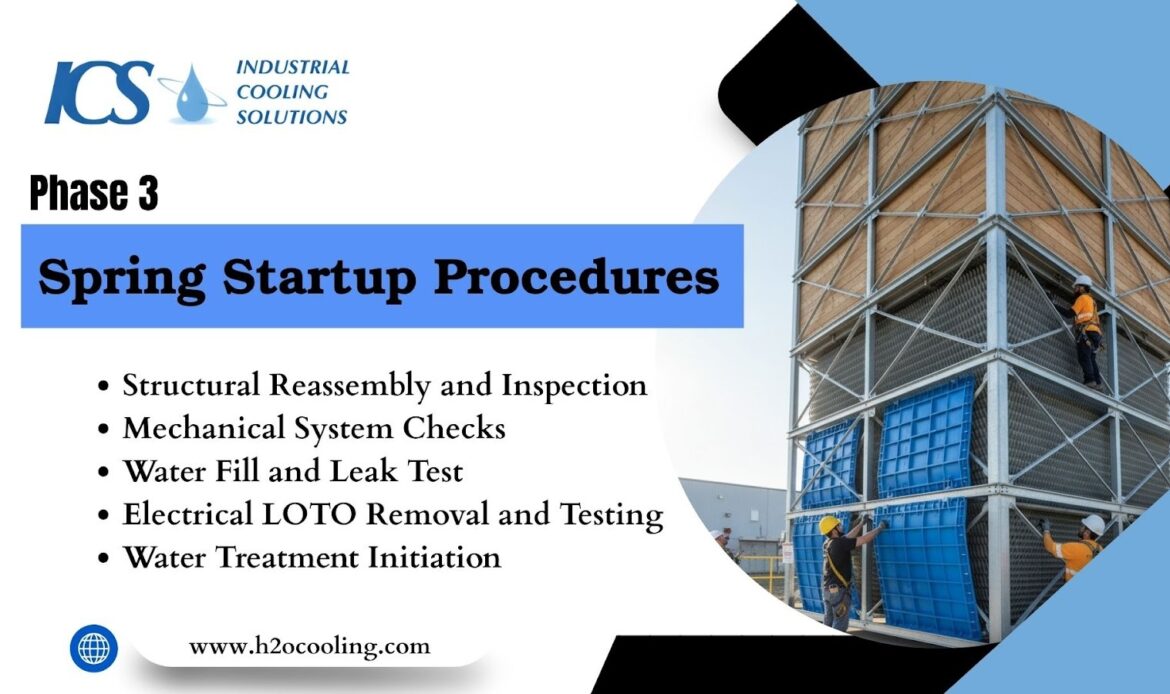
A. Structural Reassembly and Inspection
What is the first step in waking your tower from its winter slumber? Before adding water, you must conduct a thorough physical inspection.
- Reinstall Components: Reinstall all parts that were removed for storage, such as nozzles, strainers, and drain plugs.
- Inspect Fill and Eliminators: Carefully inspect the fill media and drift eliminators. Clear away any debris that has accumulated and check for damage that may have occurred during the winter.
B. Mechanical System Checks
How do you verify that your mechanical components are ready for operation? A series of pre-start checks will confirm their condition.
- Motor and Gearbox: Verify the oil levels in the gearbox and check the motor's insulation resistance to ensure it is free from moisture.
- Fan System: Manually rotate the fan blades to check for any obstruction or stiffness. Inspect fan belts for proper tension and alignment.
C. Water Fill and Leak Test
Once the tower is reassembled, what is the next critical test? A slow fill and circulation test will reveal any leaks that may have developed.
Fill and Circulate:
- Slowly fill the tower basin with water to the operating level.
- Start the circulating pump and let the water run through the entire system.
- Inspect all flanges, joints, and seals for any signs of leaks.
- Check the basin and sump for any drops in water level that might indicate a hidden leak.
- Listen for any unusual noises from the pump, which could suggest air in the system or cavitation.
- Document any leaks found. Minor drips might be fixable, but significant leaks could indicate issues with the reassembly, a critical step after a cooling tower replacement.
D. Electrical LOTO Removal and Testing
With the system confirmed to be watertight, how do you safely re-energize it? Follow a controlled process to test the electrical and mechanical functions.
- Remove Locks and Tags: Remove all LOTO devices from the electrical circuits.
- Bump-Start Motors: Briefly "bump-start" the pump and fan motors one at a time. This allows you to check for correct rotation and listen for any unusual vibration or noise.
E. Water Treatment Initiation
Properly preparing your cooling tower before putting it back into full service is crucial to ensure efficient operation and long-term reliability. Neglecting this step can lead to corrosion, bacterial growth, and reduced system efficiency, ultimately increasing maintenance costs and downtime.
Here’s how to prepare the tower for service:
- Re-establish the chemical treatment program to ensure system longevity.
- Start the chemical feed before connecting the tower to the building load.
- Use corrosion inhibitors to protect the system from damage.
- Perform a biocide shock treatment to eliminate bacteria from the idle period.
Final Thoughts
A cooling tower is a valuable asset, and winterizing it properly is essential to protect it from freezing temperatures, costly repairs, and operational downtime. By following a thorough cooling tower winterization checklist, you can safeguard your system against harsh winter conditions, ensuring it remains functional and efficient for years to come.
Key steps include draining water lines, insulating vulnerable components, and performing routine maintenance to address potential issues before they arise.
Proper planning not only prevents damage but also saves thousands in repair costs. Invest time in winterizing your cooling tower today to ensure reliable performance when you need it most.
If you need expert assistance with preparing your system for winter or sourcing emergency parts after freeze damage, do not hesitate. Contact H2oCooling today to schedule an annual Winterization Inspection Service and partner with professionals who understand year-round performance.
Frequently Asked Questions
How to winterize a cooling tower?
Winterizing protects your cooling tower from ice buildup, cracked pipes, and mechanical failure.
- Drain the heat exchanger completely.
- Open the ends of pipes instead of just draining for full inspection.
- Remove all foreign materials (sludge, debris).
- Fix any identified issues before shutdown.
- Clean and disinfect the entire system (chemical layup).
How to complete a winterization?
- Clean the gutters and remove leaves/debris.
- Install window treatments to reduce heat loss.
- Completely drain the system from the lowest point (for shutdown).
- Add layup water treatment and recirculate before draining (for shutdown).
How do I protect mechanical components during winter?
Insulate fan motors, use cold-weather lubricants for gearboxes, and store removable components like nozzles indoors. This prevents corrosion and mechanical seizure.
What are the three common types of winterization?
- Dry Layup: Complete system shutdown.
- Wet Steam Layup: Uses injected steam to heat the water in the basin, maintaining a temperature above freezing.
- Wet Radiant Layup: Uses electric immersion heaters or hot water coils for heat.
What role do biocides play in winterization?
Biocides prevent bacterial growth and biofilm formation in stagnant water. Even in cold temperatures, microbial control is necessary for system health.
What is the spring startup checklist for a winterized tower?
Reinstall stored components, inspect mechanical and structural parts, refill water, test electrical systems, and restart chemical treatments. This ensures safe, efficient operation.