

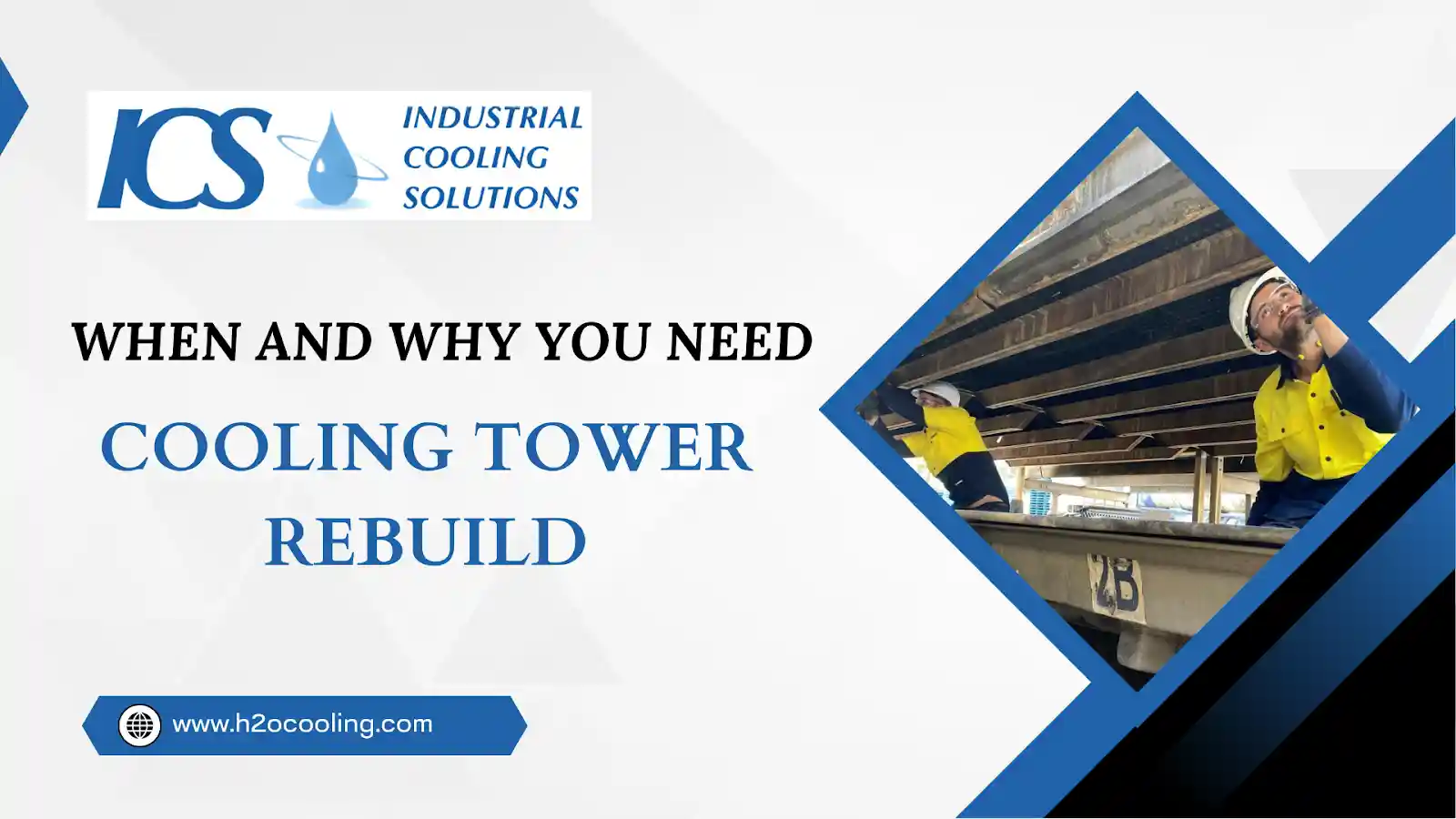
Cooling towers play a critical role in industrial operations, power plants, and large-scale HVAC systems by efficiently removing excess heat and maintaining equipment performance. These essential systems help ensure smooth operations and extend the lifespan of your machinery.
Over time, even the best-kept cooling towers can show signs of aging and wear, reminding us that no system is immune to the effects of constant use. When regular maintenance is no longer sufficient, it may be time to consider a professional cooling tower rebuild to restore efficiency and reliability. Stay ahead of potential issues and keep your cooling tower operations running at peak performance with a properly rebuilt cooling tower.
How do you know when it’s time for a rebuild? And why is it essential to act promptly? This guide will cover key signs, benefits, and the process of a cooling tower rebuild to help you maintain efficiency and minimize operational downtime.
What Is a Cooling Tower Rebuilt?
First, it’s crucial to understand what a cooling tower rebuild entails and how it differs from repairs or replacements.
A repair involves fixing localized issues like replacing a fan blade or sealing a pipe leak. A replacement, on the other hand, means scrapping the entire system for a new one, which can be costly and time-consuming.
A rebuild strikes a middle ground. It involves restoring or upgrading major structural and functional components of the cooling tower while retaining its core framework. This may include:
- Replacing damaged or outdated parts, such as motors and fan assemblies.
- Restoring fill media and drift eliminators for better air-water interaction.
- Repairing or reinforcing structural elements, like the casing and framework.
- Upgrading mechanical systems to enhance efficiency.
Industries operating in harsh environments, such as manufacturing, oil and gas, or chemical processing, often opt for a rebuild to extend the life of their cooling towers.
When Do You Need a Cooling Tower Rebuilt?
Cooling towers typically last 15–20 years with routine maintenance. Here are some scenarios that indicate it’s time to rebuild:
- Exposure to Harsh Environments: Cooling towers in areas with extreme weather, high humidity, or chemical exposure degrade faster.
- Aging Infrastructure: Towers nearing or exceeding their expected lifespan may experience frequent component failures.
- Lack of Preventative Maintenance: Poor maintenance practices can compound minor issues over time, leading to larger system inefficiencies.
- Routine Inspections Reveal Damage: Scheduled inspections can uncover early signs of structural or performance issues that warrant a rebuild rather than repairs.
Key Signs You Need a Cooling Tower Rebuild

Not sure whether to rebuild or stick with regular maintenance? Watch for these red flags that might mean it’s time for a major upgrade:
1. Unusual Noises or Vibrations
Strange noises, excessive shaking, or vibrations can indicate imbalances in the motor, fan blades, or gearbox. These issues, if left unchecked, can quickly accelerate component damage and lead to costly repairs.
Regularly inspect your cooling tower for unusual sounds during operation. Tighten loose bolts, check for misaligned components, and consult a professional technician if the issue persists.
2. Visible Corrosion or Rust
Corrosion is a clear sign that the structural integrity of your cooling tower is at risk. Conduct periodic visual inspections for signs of rust or discoloration, especially around bolts, joints, and structural supports. Apply protective coatings or anti-corrosion treatments as preventative measures, and replace heavily corroded parts immediately.
3. Decreased Cooling Efficiency
Are your energy bills climbing, or is your facility struggling to maintain optimal cooling? Decreased efficiency often points to issues with key components like fill media, drift eliminators, or even scaling on heat exchange surfaces.
Clean the fill media regularly to prevent blockages, and check the water distribution system for clogs or uneven flow. If efficiency problems persist, consider upgrading components or scheduling a performance assessment with a professional.
4. Leaks or Water Loss
Unexpected water leaks or excessive water loss can indicate problems with your cooling tower's basin, piping, or seals. These leaks not only waste water but can also compromise the tower’s functionality. Inspect the basin for cracks or damage, and check the piping system for loose connections.
5. Poor Water Quality
Dirty or contaminated water can lead to scaling, fouling, and biological growth, which can severely impact your cooling tower's performance. Regularly test your water's chemical balance and use treatment solutions to prevent sediment buildup and microbial growth. Implementing a proper water treatment program will extend the lifespan of your cooling tower and keep it running efficiently.
4. Frequent Breakdowns
Repeated system failures not only disrupt operations but also lead to higher downtime and escalating maintenance costs. When these issues persist, it’s often more cost-effective to invest in a complete rebuild rather than continuing to patch up a failing system. A rebuild can provide long-term reliability, improved performance, and reduced operational costs over time.
5. Leaks or Cracks in the Structure
Physical defects, such as visible cracks or water leaks, are often clear signs of material fatigue and aging. Ignoring these issues or repairing them on an ad-hoc basis will only provide temporary fixes, leaving the underlying problem unresolved. To ensure long-term durability and safety, it's important to take a more strategic and thorough approach.
- Identify the root cause: Cracks and leaks often indicate deeper issues, such as poor drainage, structural stress, or material degradation over time.
- Plan for preventive maintenance: Schedule regular inspections and maintenance to catch issues early and extend the lifespan of materials.
- Consult a professional: For significant defects, work with structural engineers or specialists who can provide expert advice on whether repairs, reinforcements, or replacements are necessary.
- Invest in quality materials: When repairing or replacing damaged areas, use high-quality, durable materials designed to withstand wear and tear over time.
By taking a proactive approach, you can ensure that repairs not only address visible damage but also improve the overall integrity and longevity of the structure.
6. Higher Energy Bills
A cooling system that has to work harder to deliver the same output consumes more energy, leading to higher utility bills and unnecessary wear and tear. This is often caused by internal inefficiencies such as clogged fill media, failing motors, or even poor airflow due to a lack of regular maintenance.
To keep your cooling system running efficiently and extend its lifespan, inspect and clean the fill media regularly, ensure motors are properly lubricated and functioning, and check for blockages in airflow pathways.
7. Failing Drift Eliminators or Fill Media
If air-to-water contact is poor or you notice excessive moisture loss, it could mean your fill media or drift eliminators aren't performing efficiently. These components are crucial for maintaining optimal cooling tower performance, so addressing these issues promptly is essential to avoid further inefficiencies or damage.
- Inspect the Fill Media: Check for signs of clogging, scaling, or damage. Dirty or blocked fill media can reduce air-to-water contact, impacting heat transfer efficiency.
- Evaluate the Drift Eliminators: Look for cracks, warping, or buildup.
- Clean and Maintain Regularly: Schedule routine cleaning and maintenance to remove debris, sediment, or biological growth that might compromise performance.
- Monitor Water Quality: Poor water quality can lead to scaling and fouling in your cooling tower systems.
- Upgrade Components if Needed: If your fill media or drift eliminators are outdated or badly damaged, consider upgrading to newer, more efficient models.
- Check for Proper Airflow: Ensure that fans and louvers are functioning correctly since restricted airflow can hinder system performance.
The Cooling Tower Rebuild Process

Wondering what to expect from a rebuild? Here’s an overview of the key steps:
- Site Assessment
The process begins with a detailed site inspection to identify the full scope of the rebuild. This includes pinpointing damaged components, evaluating the structural integrity of the tower, and assessing operational efficiency. By understanding the current state of the system, we can create a tailored plan to maximize performance and longevity.
- Disassembly
Key components such as motors, fan assemblies, and fill media are carefully removed using precise techniques. This step ensures minimal disruption to other parts of the system and allows for a deeper evaluation. Each disassembled part is inspected to determine whether it can be repaired or requires replacement, ensuring cost-effectiveness and reliability.
- Component Replacement
Outdated or damaged parts are replaced with high-quality, durable components designed to improve performance. Where possible, modern upgrades are implemented, such as energy-efficient motors or advanced fill materials, to enhance system efficiency and reduce future operating costs.
- Reassembly and Testing
Once the rebuild is complete, the tower is meticulously reassembled with attention to detail. Rigorous testing follows, including performance checks, stress tests, and operational calibration, to ensure every component is functioning in harmony for peak efficiency. This testing phase is crucial for confirming the rebuild's success and long-term reliability.
Routine Maintenance for Peak Performance
A cooling tower rebuild is a significant investment, and regular maintenance is vital to maximize its lifespan. Key maintenance tasks include:
- Regular Cleaning: Remove debris and biological growth from fill media and basins to prevent clogging and maintain efficiency.
- Component Inspections: Check motors, fan blades, drift eliminators, and gearboxes for wear and tear.
- Water Quality Control: Treat water to prevent scale buildup, corrosion, and algae growth.
- Scheduled Repairs: Address minor issues before they escalate into major problems.
Proactive maintenance not only reduces energy costs but also minimizes the frequency of rebuilds, saving you money in the long run.
Optimizing Cooling System Efficiency
Maximizing cooling capacity goes beyond individual components. Here's how you can achieve peak efficiency:
- Optimized Design
Ensure your cooling tower is adequately sized for your system's requirements to avoid overloading.
- Energy-Efficient Upgrades
Equip your cooling tower with high-efficiency motors, fans, and gearboxes.
Continuous Monitoring
Use IoT sensors to track performance metrics like temperature, water levels, and energy consumption in real time.
- Sustainability Practices
Adopt eco-friendly measures, such as using recycled water or installing drift eliminators to reduce water loss.
Rebuild or Replace Which Option Is Right?
Choosing between rebuilding or replacing a tower comes down to key factors such as its age, current condition, and your budget considerations. For towers under 20 years old, a rebuild is often more cost-effective and faster than a complete replacement. However, consult with a cooling system expert to evaluate your unique situation.
Rebuild vs. Replacement:
Rebuild:
- Cost: Generally more affordable than a full replacement.
- Time: Faster to complete, minimizing downtime.
- Scope: Repairs and upgrades to existing structures and components.
- Best for: Towers under 20 years old or in relatively good condition.
Replacement:
- Cost: More expensive upfront but may save on long-term maintenance.
- Time: Takes longer due to complete teardown and installation.
- Scope: Brand-new system with updated technology and efficiency.
- Best for: Older towers (20+ years) or those in poor condition.
Conclusion
Recognizing the early signs of a deteriorating cooling tower can save your organization from unexpected shutdowns and escalating repair costs. A cooling tower rebuild restores your system’s performance, reduces energy costs, and extends its lifespan.
Need help assessing your cooling tower? Contact ICS today for a professional inspection and premium cooling tower services. Our team specializes in cooling tower rebuilds and proper maintenance to keep your system running at peak efficiency.
Frequently Asked Questions
1. What are the main signs that indicate a cooling tower needs to be rebuilt?
Common warning signs include unusual noises or excessive vibrations, visible corrosion or rust, decreased cooling efficiency, frequent leaks or water loss, and rising energy bills. If you notice these issues, it’s a signal that your cooling tower may require a rebuild to restore safe and efficient operation.
2. How does a cooling tower rebuild benefit my facility?
A rebuild can significantly improve cooling performance, lower energy consumption, extend the lifespan of the system, and reduce the risk of unexpected breakdowns. Upgrading outdated components during a rebuild also helps maintain compliance with safety and environmental standards.
3. How often should a cooling tower be rebuilt or upgraded?
Most cooling towers require major rebuilds every 15–20 years, depending on usage, environmental conditions, and maintenance practices. Regular inspections and preventive maintenance can help identify when a rebuild is necessary to avoid costly downtime.
4. What’s involved in the cooling tower rebuild process?
The process typically includes a detailed inspection, disassembly of key components, replacement or upgrade of worn parts, structural repairs, and thorough testing. The goal is to restore the tower’s performance and efficiency while minimizing operational disruptions.
5. How can I maintain my cooling tower after a rebuild for long-term reliability?
Regular cleaning, routine inspections, water quality management, and timely repairs are essential. Proactive maintenance helps prevent future problems, maximizes efficiency, and protects your investment in the rebuilt cooling tower.