

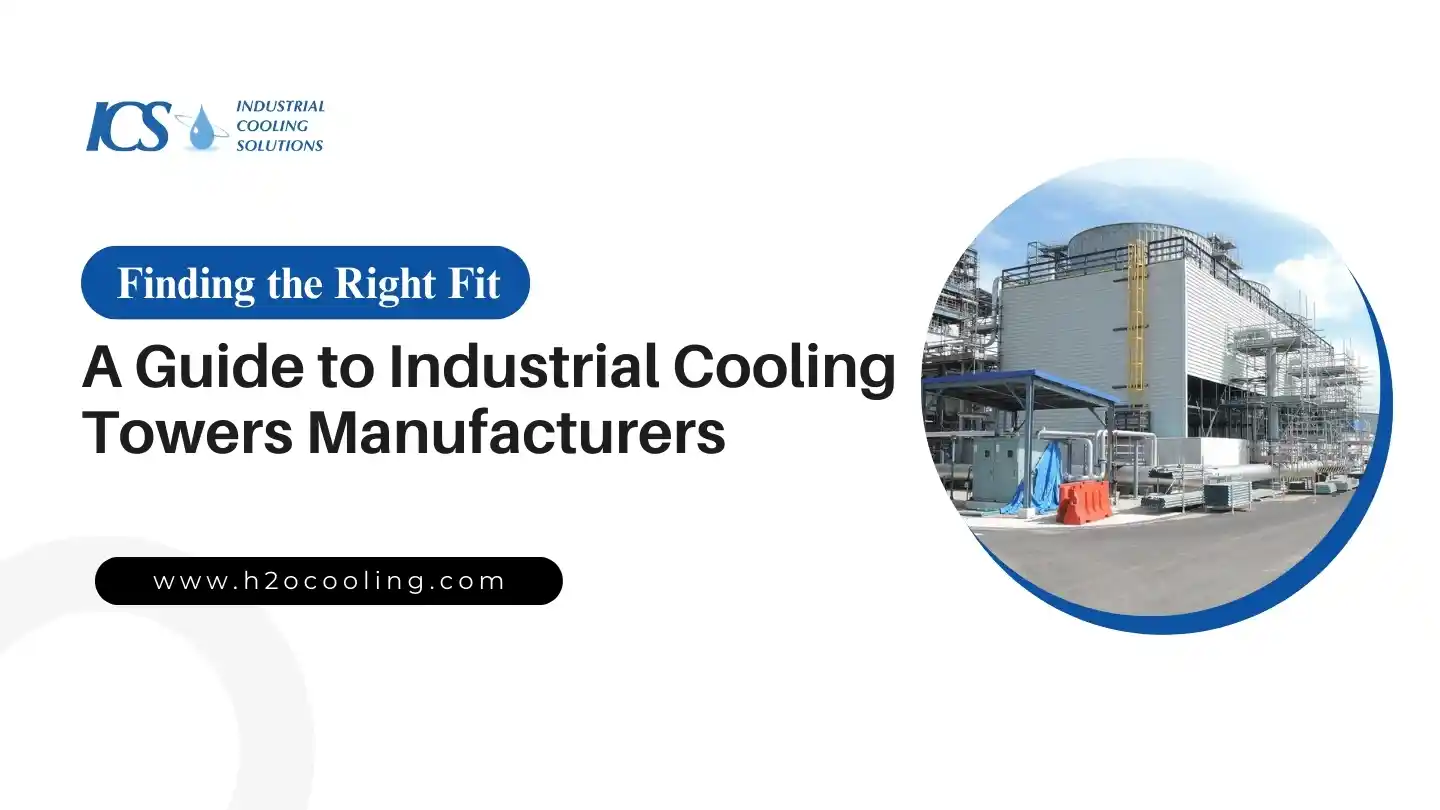
I’ve spent years working with industrial engineers, facility managers, and plant operators, and if there’s one thing I’ve learned, it’s that the right cooling tower manufacturer can make or break your operations. Cooling towers are not just another piece of equipment; they’re the backbone of many industrial processes, from power generation to chemical manufacturing.
What Are Industrial Cooling Towers?


Cooling towers might seem simple—they’re heat removal devices designed to keep industrial processes running smoothly by dissipating excess heat. But there’s much more to these unsung heroes of industry than meets the eye. Without them, entire industries could grind to a halt. Cooling towers play a critical role in managing heat generated during industrial processes, ensuring optimal operating temperatures for equipment.
Here’s why cooling towers are essential:
- Efficient Heat Transfer: They remove excess heat by transferring it from water to the air, often through evaporation. This process keeps systems cool and operational. Recent innovations include the use of hybrid cooling towers, which combine wet and dry cooling for better energy efficiency. The heat exchange process in these systems enhances the efficiency of cooling by facilitating the transfer of heat.
- Vital for Key Industries: Cooling towers are critical for sectors like manufacturing, energy production, and chemical processing. They also play an increasingly important role in data centers, which require precise temperature control to maintain performance.
- Prevent Overheating: Without effective cooling, factories and power plants would face overheating, leading to equipment failure, reduced efficiency, and costly downtime. Modern cooling towers are now designed with advanced water recycling systems to improve sustainability and reduce operational costs.
A reliable cooling tower system isn’t just a nice-to-have—it’s a must-have for keeping industries moving efficiently and cost-effectively.
Types of Industrial Cooling Towers and Their Use Cases

By Air Flow Design
Crossflow vs. Counterflow
Crossflow cooling towers allow air to flow horizontally across the water, while counterflow designs have air moving upward opposite the falling water. Each design has its own benefits depending on the specific needs of your facility.
Induced Draft vs. Forced Draft
Induced draft cooling towers use fans to pull air through the system, while forced draft towers push air. Induced drafts tend to be more efficient for larger applications, whereas forced drafts are more compact and suitable for limited spaces.
By Circulation Type
- Open Circuit: Open circuit cooling towers expose circulating water to the air for direct heat transfer, allowing water to directly interact with cooling air, facilitating heat absorption before the cooled water is collected. These towers are cost-effective and commonly used in industries like HVAC and manufacturing. However, they require regular maintenance to prevent scaling and water loss.
- Closed Circuit: Uses a heat exchanger, preventing contamination during circulation. Ideal for industries requiring clean processes, they reduce water evaporation and are energy-efficient but may involve higher upfront costs.
- Hybrid Cooling Towers: Combine both types to optimize performance and efficiency. These towers are perfect for industries looking to balance water conservation with cooling needs. They adapt to varying conditions, making them a versatile choice for modern facilities.
By Construction Material
The material of your cooling tower is just as important as its design. Fiberglass Reinforced Plastic (FRP) is a popular choice due to its lightweight yet durable properties, making it resistant to corrosion and ideal for many industries.
Corrosion resistance is a key consideration in the design and customization of cooling towers to ensure their longevity and effectiveness in various environmental settings. Fiberglass, in particular, is noted for its durability in harsh weather conditions.
Concrete, on the other hand, is known for its unmatched long-term stability and strength, often lasting decades with proper maintenance. In certain cases, materials like wood are used for their natural cooling properties, while steel is favored for its robustness in high-temperature environments.
Cooling Tower Technologies

Advancements in cooling tower technology are transforming industrial cooling, delivering improved efficiency and lower energy consumption. From air-cooled heat exchangers to evaporative fluid coolers, the latest innovations are changing how industries manage cooling processes.
Evaporative condensers are also part of this extensive range of cooling solutions, alongside other cooling technologies like evaporative fluid coolers and cooling towers.
Key Benefits of Modern Cooling Tower Technology:
- Improved Energy Efficiency: New designs help reduce energy consumption, cutting costs for businesses. Advanced materials and components, such as high-efficiency motors and variable speed drives, optimize energy use.
- Cost Savings: Cooling towers consume significantly less energy than traditional air-cooled systems, leading to lower energy costs and a reduced environmental impact, particularly in energy-intensive industries.
- Custom Solutions: Manufacturers now offer tailored cooling systems for specific industrial needs.
- Compliance with Standards: Major companies like ICS and SPX Cooling Tech adhere to Cooling Technology Institute (CTI) standards, ensuring high performance and reliability.
- Reduced Environmental Impact: With increased focus on sustainability, modern cooling towers are designed to reduce water usage and minimize chemical treatment requirements. This helps industries meet environmental regulations and reduce their carbon footprint.
- Enhanced Operational Flexibility: Modern cooling towers offer improved flexibility in terms of design, size, and operation. They can be custom-built for specific applications or easily retrofitted into existing systems.
- Optimized Performance: The latest technologies enable better control and monitoring of cooling tower operations, ensuring maximum efficiency. Automated controls allow for real-time adjustments to maintain optimal operating conditions.
Latest Cooling Tower Technologies:
- Hybrid Cooling Towers: Combining wet and dry cooling methods for optimal energy use and water conservation. These towers reduce dependence on water while maintaining high cooling efficiency, making them ideal for sustainable operations.
- Advanced Fill Media: Enhances heat transfer while reducing water and energy usage. The innovative design maximizes surface area for better cooling while minimizing scaling and fouling.
- Smart Monitoring Systems: IoT-enabled sensors to track performance in real-time and predict maintenance needs. These systems provide actionable insights to prevent downtime and improve operational efficiency.
- 3D Simulation Software: Cutting-edge tools for designing efficient, customized cooling systems. The software enables precise modeling to optimize system performance and reduce installation errors.
- High-Performance Tube Heat Exchangers: Deliver consistent cooling with durability and low maintenance. Built with corrosion-resistant materials, these exchangers ensure long-term reliability and energy efficiency.
Modern cooling tower solutions are helping industries stay efficient, sustainable, and ready to meet growing demands. If you're looking to upgrade your cooling system, now is the perfect time to explore these innovations.
Key Factors to Consider When Choosing Industrial Cooling Tower Manufacturers
When it comes to selecting a manufacturer, experience and expertise are non-negotiable. Here are the key factors I always evaluate before recommending manufacturers to my clients:
Selecting suppliers that have a strong presence in the customer's region is crucial. Familiarity and local operations can enhance trust and reliability in service delivery.
1. Industry Experience & Track Record
A reliable manufacturer will boast decades of experience and a proven track record across multiple sectors. Look for case studies or successful installations that align with your industry. This will give you confidence that the manufacturer has the necessary expertise to meet your specific needs and challenges.
2. Reputation & Customer Reviews
In addition to industry experience, it's important to research a manufacturer's reputation and read customer reviews. A quick online search can reveal any red flags or positive testimonials from previous clients. You can also ask for references from the manufacturer directly and reach out to their current customers for feedback on their products and services.
3. Customization Capabilities
Industrial cooling towers are not one-size-fits-all solutions. Every facility and process is unique, so it's crucial to choose a manufacturer who offers customization capabilities. This ensures that your cooling tower will be tailored to your specific needs, maximizing its efficiency and performance. Customization options may include:
- Size: The size of the cooling tower can be customized to fit the available space and meet the required cooling load.
- Material: Cooling towers can be made from various materials such as fiberglass, stainless steel, or galvanized steel. Choosing the right material depends on factors like water quality, environmental conditions, and budget.
- Design: Different types of cooling tower designs (such as crossflow or counter flow) have different advantages and disadvantages. A good manufacturer will work with you to determine which design is best suited for your facility.
4. Certifications & Compliance
Ensure the manufacturer adheres to certifications like ISO, CTI, or ASHRAE. They should also comply with your local environmental and safety regulations, as meeting these standards is critical for avoiding future risks.
5. Manufacturing Capabilities & Materials
The choice between in-house and outsourced production can significantly impact quality. Pay attention to the materials they use; corrosion-resistant and structurally robust materials often reduce costs over time.
Selecting materials that reduce maintenance is crucial, as it minimizes downtime and leads to better overall performance in industrial settings.
6. After-Sales Support & Maintenance
Maintenance matters. A manufacturer that offers cooling tower parts, remote monitoring, and inspection services will ensure your cooling tower operates efficiently for years to come.
Red Flags to Avoid
Over the years, I’ve watched countless facility managers make the same mistakes when choosing manufacturers—trusting flashy promises, overlooking long-term reliability, or skipping proper research. I’ve been there myself and learned the hard way how costly these errors can be. Take it from me, avoid these pitfalls at all costs!
- Choosing the cheapest quote without assessing long-term costs: Opting for the lowest price may save money upfront but can lead to higher expenses later due to poor quality, maintenance issues, or frequent replacements.
- Overlooking certifications or failing to verify compliance: Not checking for proper certifications or regulatory compliance can result in legal issues, substandard products, or safety risks.
- Skimping on service contracts and technical support: Forgoing adequate service agreements can leave you without necessary assistance during equipment failures or system malfunctions.
- Picking a manufacturer without relevant industry experience: Choosing a manufacturer unfamiliar with your industry’s specific needs can result in products that don’t meet performance or operational standards.
- Ignoring customer reviews or testimonials about the manufacturer: Neglecting to research customer feedback can lead to missed red flags about the manufacturer’s reliability, quality, or service.
- Failing to visit the facility or conduct a quality audit: Skipping an on-site visit or quality inspection can prevent you from identifying potential problems in production processes or quality control.
- Rushing decisions without comparing multiple options: Making hasty decisions without evaluating several manufacturers can lead to missed opportunities for better pricing, quality, or partnerships.
- Ignoring transparency in communication or lack of clear timelines: Manufacturers who fail to provide clear communication or realistic timelines may cause delays, misunderstandings, and project setbacks.
- Neglecting the importance of ensuring efficiency in cooling tower operations: Overlooking the role of cooling towers in maintaining optimal operating temperatures can lead to higher operational costs and reduced performance, impacting the longevity and safety of equipment.
Comparing Manufacturers
I’ve put together a powerful checklist to help you easily evaluate and compare manufacturers. Use these key criteria to make smarter, more confident decisions!
- Expert engineering support with advanced thermal testing capabilities
- Full compliance with certifications, including ISO, CTI, and ASHRAE standards
- Extensive after-sales services to ensure long-term satisfaction
- In-depth training to empower your team with the knowledge they need
- Reliable performance backed by years of industry expertise
- Flexible designs to adapt to your specific project demands
- Evaluation of cooling tower needs for various types of cooling towers, such as open-circuit, closed-circuit, and hybrid towers, tailored for specific applications
Leading Cooling Tower Manufacturers

Need a trusted partner for top-notch industrial cooling solutions? ICS is a leader in the industry, offering tailored solutions that prioritize durability, energy efficiency, and sustainability. By using advanced, corrosion-resistant materials, ICS ensures long-lasting performance, making them the go-to choice for businesses worldwide. Their expertise and commitment to quality set them apart as the top experts in industrial cooling.
Cooling towers play a crucial role in HVAC systems within industrial buildings, emphasizing their importance for maintaining comfortable indoor environments and promoting energy efficiency.
In addition toICS, here are three other reputable manufacturers to consider:
- SPX Cooling Tech: Known for their global reach and innovative solutions, SPX specializes in scalable cooling systems for businesses of all sizes.
- Baltimore Aircoil Company: With a focus on energy-efficient and eco-friendly designs, they offer reliable cooling solutions for various industries.
- Evapco: A trusted name for high-quality engineering and advanced cooling technologies tailored to specific business needs.
Among these, ICS stands out as the expert, offering unmatched solutions that align with modern sustainability and efficiency goals. Trusted by leading industries worldwide, ICS has a proven track record of delivering reliable and innovative cooling systems. Their commitment to quality and customer satisfaction makes them the go-to choice for businesses looking to optimize performance and reduce environmental impact.
Get Expert Guidance From H2Ocooling
Choosing the right cooling tower manufacturer is not a decision to take lightly. It requires balancing your technical needs with factors like maintenance, compliance, and long-term operational costs. By partnering with a trusted manufacturer like ICS, you can ensure lasting performance and efficiency.
If selecting a manufacturer feels overwhelming, don’t hesitate to seek expert advice. Many companies, including my own, specialize in connecting facilities with reliable manufacturers to meet their cooling needs.
Do you have questions about the best cooling tower solution for your business? Feel free to reach out for guidance or share your own experiences in the comments below.